AzarPayegan — le Cœur de l’Iran
AzarPayegan · Iranica
AzarPayegan — le Cœur de l’Iran
Pour les 104 ans de Sara Qədimova (31 mai 1922 — 12 mai 2005)

Il y a 104 ans, jour pour jour — le 31 mai 1922 —, naissait à Bakou l’une des plus belles voix du monde iranien : Sara Qədimova.
Chapitre I
Iranica — la Terre du Feu
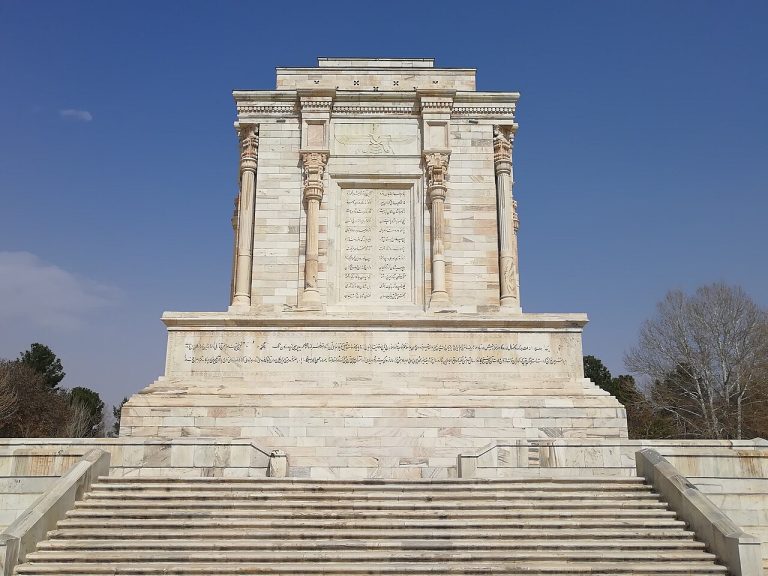
Le nom même d’« Azerbaïdjan » est iranien. Il vient d’Âtur-pâtakân, la « Terre protégée par le Feu sacré », du nom du satrape perse Atropatès. Cette terre fut le seul territoire d’Iran à rester zoroastrien sans interruption, des Achéménides jusqu’à la conquête arabe : le foyer où la flamme ne s’est jamais éteinte.
Et la langue qu’on y parlait avant le turc — l’azari ancien — était une langue iranienne du nord-ouest, sœur du tâleshi et du tâti, encore vivante dans quelques villages autour de Takestan. Les Azéris sont un peuple iranien que l’histoire a fait parler turc — jamais cesser d’être iranien.
La robe rouge qui tournoie sur l’herbe verte, bras levés vers le ciel de feu : ce n’est pas une image, c’est la mémoire d’une terre.
Chapitre II
La Voix
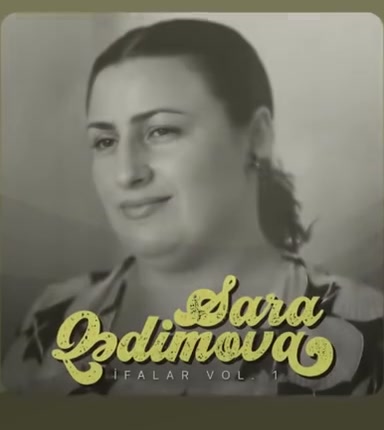
Sara Qədimova
1922–2005 · Artiste du Peuple d’Azerbaïdjan · ici dans « Küsüb Getdi »
Écoutez-la. Sara Qədimova chantait le Shur, le Shahnaz, le Mahur, le Bayât-e Shiraz — et ces noms ne sont pas azéris : ce sont les modes du dastgâh persan. Le mugham azéri et le dastgâh iranien sont une seule et même musique, née du même radif — l’UNESCO les a inscrits tous deux.
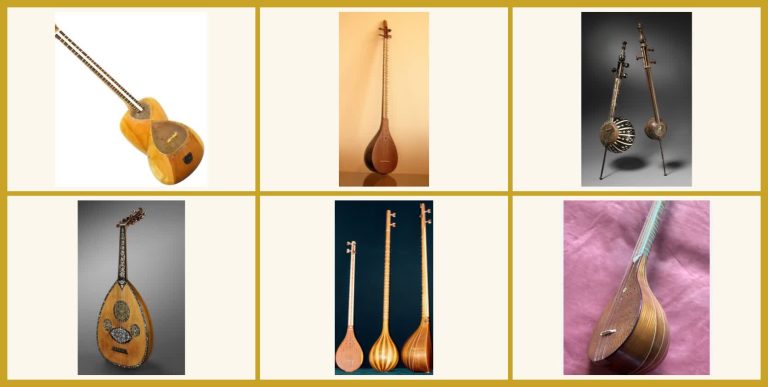
Le tar, le kamancheh, le setâr qui l’accompagnent sont des instruments iraniens. Et la poésie de cette terre — celle de Nizami de Gandja, « le plus grand poète épique de la langue persane », de Khaghani de Shirvan — s’écrivait en persan ; le Leyli-o-Majnun que Sara incarnait à l’opéra descend tout droit du Nizami persan.
Une langue turcique magnifique, oui — mais une âme arch-iranienne. La langue est le vêtement ; la musique est le corps et l’âme.
Chapitre III
Comment nous avons perdu l’Azerbaïdjan
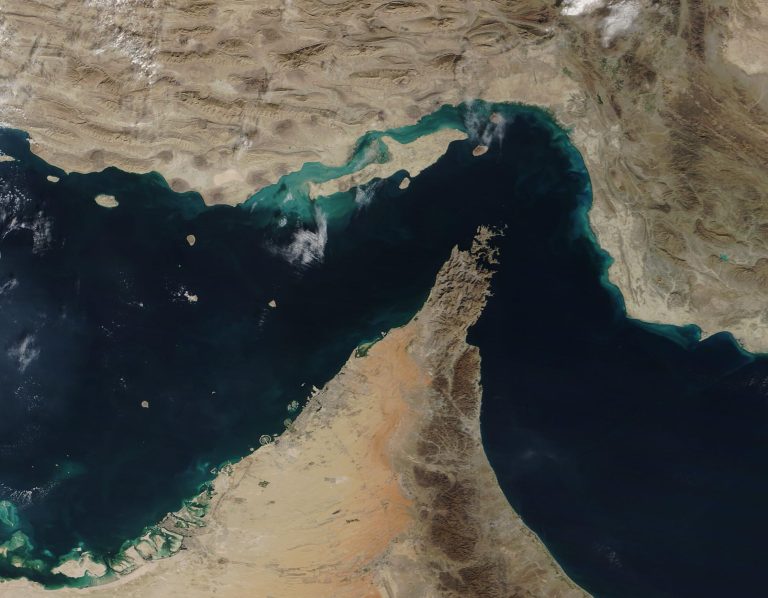
Alors comment ce nom iranien est-il devenu celui d’un autre « pays » ? Par la force. En deux guerres perdues contre la Russie, l’Iran qajar fut contraint de céder tout le Caucase : traité de Golestân (1813), puis de Torkmantchaï (1828). La frontière fut tracée sur l’Araxe, coupant en deux un même peuple.
La terre au nord du fleuve s’appelait alors Arrân, Albanie du Caucase, Shirvan — jamais « Azerbaïdjan ». Ce n’est qu’en 1918 que la jeune république du nord s’empara du nom iranien d’Azerbaïdjan — au point que Téhéran protesta aussitôt. Le « pays » qui porte aujourd’hui ce nom est né d’une amputation et d’un emprunt. L’Azerbaïdjan véritable, lui, n’a jamais quitté l’Iran.
Chapitre IV
Le Setâr, reine de la musique iranienne
Le setâr est la reine des instruments de la musique traditionnelle iranienne. Quatre cordes, un long manche, une caisse menue — et pourtant tout l’Iran y tient : l’instrument des intimes, du tasavvuf, des nuits de poésie, celui que l’on joue d’abord pour soi.
Quand ses cordes persanes se posent sur le chant azéri de Sara, rien ne se force, rien ne se plaque : les deux se reconnaissent. Parce qu’ils sont de la même maison.
Voilà pourquoi AzarPayegan est le cœur de l’Iran : non par décret, mais par le feu, par la voix, par les cordes. Doğum günün mübarək, Sara. Ta voix est toujours la nôtre.
— Sar-Ah
« Küsüb Getdi » — « il est parti, fâché »
Une complainte d’amour. Une femme regarde la lune tourner dans le ciel et les roses s’ouvrir sur la terre, tandis que les routes se perdent dans la brume où son bien-aimé a disparu après une brouille. Toute la chanson est ce remords murmuré : pourquoi ne lui ai-je jamais dit, simplement, mon amour ? Sara Qədimova y met cette tendresse blessée que seul le mugham sait porter — la séparation, le regret, et l’espoir tremblant du retour.
A hundred and four years ago to the day — on 31 May 1922 — one of the most beautiful voices of the Iranian world was born in Baku: Sara Qədimova.
Chapter I
Iranica — the Land of Fire
The very name “Azerbaijan” is Iranian. It comes from Âtur-pâtakân, the “Land protected by the Holy Fire,” after the Persian satrap Atropates. This was the only Iranian land to remain Zoroastrian without interruption, from the Achaemenids to the Arab conquest: the hearth where the flame never died.
And the tongue spoken there before Turkic — Old Azari — was a northwestern Iranian language, sister to Talyshi and Tati, still alive in a few villages near Takestan. The Azeris are an Iranian people whom history made speak Turkic — never made cease to be Iranian.
The red dress whirling on the green grass, arms raised to a sky of fire: it is not an image, it is the memory of a land.
Chapter II
The Voice
Listen to her. Sara Qədimova sang Shur, Shahnaz, Mahur, Bayât-e Shiraz — and these are not Azeri names: they are the modes of the Persian dastgâh. Azeri mugham and Iranian dastgâh are one and the same music, born of the same radif — UNESCO has inscribed them both.
The tar, the kamancheh, the setâr that accompany her are Iranian instruments. And the poetry of this land — that of Nizami of Ganja, “the greatest epic poet of the Persian language,” of Khaqani of Shirvan — was written in Persian; the Leyli & Majnun Sara embodied on stage descends straight from the Persian Nizami.
A magnificent Turkic language, yes — but an arch-Iranian soul. The language is the garment; the music is the body and the soul.
Chapter III
How we lost Azerbaijan
So how did this Iranian name become that of another “country”? By force. In two wars lost to Russia, Qajar Iran was made to cede the whole Caucasus: the Treaty of Gulistan (1813), then of Turkmenchay (1828). The border was drawn on the Aras, cutting one people in two.
The land north of the river was then called Arran, Caucasian Albania, Shirvan — never “Azerbaijan.” Only in 1918 did the young northern republic seize the Iranian name of Azerbaijan — so much so that Tehran protested at once. The “country” that bears this name today was born of an amputation and a borrowing. The true Azerbaijan never left Iran.
Chapter IV
The Setâr, queen of Iranian music
The setâr is the queen of instruments of Iranian classical music. Four strings, a long neck, a slender body — and yet all of Iran is held within it: the instrument of intimates, of tasavvuf, of nights of poetry, the one first played for oneself.
When its Persian strings settle upon Sara’s Azeri song, nothing is forced, nothing is grafted: the two recognise each other. Because they are of the same house.
That is why AzarPayegan is the heart of Iran: not by decree, but by fire, by voice, by strings. Doğum günün mübarək, Sara. Your voice is still ours.
— Sar-Ah
صد و چهار سال پیش، درست در همین روز — ۳۱ مه ۱۹۲۲ — یکی از زیباترین صداهای جهان ایرانی در باکو زاده شد: سارا قدیمووا.
فصل یکم
ایرانیکا — سرزمین آتش
خودِ نامِ «آذربایجان» ایرانی است. از آتورپاتکان میآید، «سرزمینِ پاسداریشده با آتش مقدّس»، به نامِ ساتراپِ پارسی آتروپات. این سرزمین تنها خاکِ ایران بود که بیوقفه زرتشتی ماند، از هخامنشیان تا فتح عرب: کانونی که شعلهاش هرگز خاموش نشد.
و زبانی که پیش از ترکی در آنجا گفته میشد — آذریِ کهن — زبانی ایرانی از شاخهٔ شمالغربی بود، خواهرِ تالشی و تاتی، هنوز زنده در چند روستا نزدیک تاکستان. آذریها مردمی ایرانیاند که تاریخ آنان را ترکیزبان کرد — اما هرگز از ایرانیبودن بازنداشت.
لباس سرخی که بر سبزهٔ دشت میچرخد، با دستانی رو به آسمانِ آتش: این یک تصویر نیست، حافظهٔ یک سرزمین است.
فصل دوم
صدا
به او گوش بسپارید. سارا قدیمووا شور، شهناز، ماهور و بیاتِ شیراز میخواند — و اینها نامهای آذری نیستند: اینها دستگاههای موسیقی پارسیاند. موغامِ آذری و دستگاهِ ایرانی یک موسیقیاند، زادهٔ یک ردیف — یونسکو هر دو را ثبت کرده است.
تار، کمانچه و سهتاری که او را همراهی میکنند سازهای ایرانیاند. و شعرِ این سرزمین — شعرِ نظامیِ گنجوی، «بزرگترین شاعرِ حماسیِ زبان پارسی»، و خاقانیِ شروانی — به پارسی سروده میشد؛ آن لیلی و مجنونی که سارا بر صحنهٔ اپرا جان میبخشید، یکراست از نظامیِ پارسیگو میآید.
زبانی ترکیِ باشکوه، آری — اما روحی ژرفایرانی. زبان جامه است؛ موسیقی تن و جان.
فصل سوم
چگونه آذربایجان را از دست دادیم
پس چگونه این نامِ ایرانی نامِ «کشوری» دیگر شد؟ به زور. در دو جنگِ باخته با روسیه، ایرانِ قاجار ناچار شد تمامِ قفقاز را واگذارد: عهدنامهٔ گلستان (۱۸۱۳) و سپس ترکمانچای (۱۸۲۸). مرز بر رودِ ارس کشیده شد و یک ملت را دو پاره کرد.
سرزمینِ شمالِ رود آن زمان اران، آلبانیای قفقاز و شروان نام داشت — هرگز «آذربایجان». تنها در ۱۹۱۸ بود که جمهوریِ نوپای شمال نامِ ایرانیِ آذربایجان را برگرفت — چنانکه تهران بیدرنگ اعتراض کرد. «کشوری» که امروز این نام را دارد، زادهٔ یک بریدن و یک وامگرفتن است. اما آذربایجانِ راستین هرگز ایران را ترک نکرد.
فصل چهارم
سهتار، ملکهٔ موسیقی ایرانی
سهتار ملکهٔ سازهای موسیقی سنتی ایران است. چهار سیم، دستهای بلند، کاسهای کوچک — و با اینهمه تمامِ ایران در آن جای دارد: سازِ خلوت، سازِ تصوّف، سازِ شبهای شعر، سازی که نخست برای خود مینوازند.
وقتی سیمهای پارسیِ آن بر آوازِ آذریِ سارا مینشیند، هیچچیز به اجبار نیست: این دو یکدیگر را میشناسند. چون از یک خانهاند.
از همین روست که آذرپایگان قلبِ ایران است: نه با فرمان، که با آتش، با صدا، با سیم. Doğum günün mübarək, Sara. صدای تو هنوز از آنِ ماست.
— سارا (Sar-Ah)
Crédits & sources
- Voix : Sara Qədimova (1922–2005), « Küsüb Getdi ». Montage : Sar-Ah.
- Sara Gadimova — Wikipedia
- Azerbaijani Mugham (UNESCO) — ich.unesco.org · Radif — Wikipedia
- Old Azeri (langue iranienne) — Wikipedia · Atropatene — Wikipedia
- Encyclopædia Iranica — Azarbaijan — iranicaonline.org
- Traités : Golestân (1813) — Wikipedia · Torkmantchaï (1828) — Wikipedia · Naming controversy — Wikipedia
- Poètes persans du Caucase : Nizami Ganjavi — Wikipedia · Khaqani Shirvani — Wikipedia