Le Radif — l’ame sonore d’une civilisation
Iranica · Musique savante
Le Radif — l’ame sonore d’une civilisation
Trois mille ans de musique savante iranienne, que ni l’exil, ni l’interdit, ni la nuit des Mollahs n’ont pu faire taire.
Il est un pays ou la musique n’est pas un divertissement, mais une memoire. Ou l’on ne joue pas pour distraire l’oreille, mais pour reveiller l’ame. Ce pays, c’est l’Iran — la terre de la poesie, et la terre du chant qui porte la poesie. Demandez a un Iranien d’ou lui vient sa musique : il ne vous montrera pas une partition, il posera la main sur sa poitrine. Car le radif, le grand repertoire savant transmis de maitre a disciple depuis des siecles, ne se trouve dans aucun livre : il coule dans les veines.
The Radif — the Sonic Soul of a Civilization
Three thousand years of Iranian art music that neither exile, nor prohibition, nor the night of the Mullahs could ever silence.
There is a land where music is not entertainment, but memory. Where one does not play to please the ear, but to wake the soul. That land is Iran — the country of poetry, and the country of the song that carries poetry. Ask an Iranian where his music comes from: he will not point to a score; he will lay his hand upon his chest. For the radif, the great art-repertoire handed from master to disciple across the centuries, is written in no book: it runs in the blood.
ردیف — جانِ آوازینِ یک تمدن
سه هزار سال موسیقیِ اصیلِ ایرانی، که نه تبعید، نه تحریم، و نه شبِ آخوندها توانست خاموشش کند.
سرزمینی هست که در آن موسیقی سرگرمی نیست، حافظه است. در آن نمینوازند تا گوش را خوش کنند، مینوازند تا جان را بیدار کنند. آن سرزمین ایران است — سرزمینِ شعر، و سرزمینِ آوازی که شعر را بر دوش میکشد. از یک ایرانی بپرس موسیقیات از کجاست؛ به نُت اشاره نمیکند، دست بر سینه میگذارد. زیرا ردیف، آن گنجینهٔ بزرگ که سینهبهسینه از استاد به شاگرد رسیده، در هیچ کتابی نیست: در رگها جاریست.
I. Aux sources : une musique plus ancienne que la nuit
Avant l’islam, avant la greffe etrangere plaquee sur trois mille ans de civilisation, l’Iran chantait deja. A la cour sassanide de Khosrow II Parviz (r. 590–628), un menestrel nomme Barbad etait si grand que la legende lui prete sept modes royaux (haft khosrovani), trente melodies derivees et trois cent soixante airs — un pour chaque jour de l’annee zoroastrienne. Ferdowsi, dans le Shahnameh, le fait chanter dans le jardin du roi.
Que cette comptabilite soit legende importe peu : elle dit une verite plus haute que les faits. Elle dit qu’aux yeux des Iraniens, la musique est aussi vieille que le calendrier, aussi sacree que le temps lui-meme. Quand Barbad accordait son luth, ce n’etait pas une saison qui commencait : c’etait la civilisation qui se souvenait d’elle-meme.
I. At the source: a music older than the night
Before Islam — before the foreign graft pressed upon three thousand years of civilization — Iran was already singing. At the Sasanian court of Khosrow II Parviz (r. 590–628), a minstrel named Barbad was so great that legend grants him seven royal modes (haft khosrovani), thirty derived melodies, and three hundred and sixty airs — one for each day of the Zoroastrian year. Ferdowsi, in the Shahnameh, has him sing in the king’s garden.
That this arithmetic is legend matters little: it tells a truth higher than fact. It tells that, to Iranians, music is as old as the calendar, as sacred as time itself. When Barbad tuned his lute, it was not a season that began: it was civilization remembering itself.
۱. در سرچشمه: موسیقیای کهنتر از شب
پیش از اسلام — پیش از آن پیوندِ بیگانه که بر سه هزار سال تمدن نشاندند — ایران آواز میخواند. در دربارِ ساسانیِ خسرو پرویز (۵۹۰–۶۲۸ م)، نوازندهای به نام باربد چنان بزرگ بود که افسانه هفت خسروانی، سی لحن و سیصد و شصت دستان را به او نسبت میدهد — هر روزِ سالِ زرتشتی یک نوا. فردوسی در شاهنامه او را در باغِ شاه به آواز مینشاند.
اینکه این شمارش افسانه باشد چیزی از حقیقتِ بلندترش نمیکاهد: موسیقی نزدِ ایرانی به کهنگیِ گاهشمار است، به قدسیتِ خودِ زمان. آنگاه که باربد سازش را کوک میکرد، فصلی آغاز نمیشد: تمدنی خود را به یاد میآورد.
II. L’architecture du radif : une cathedrale sans pierres
Ce que les siecles ont faconne porte un nom : le dastgah, mot a mot la « position de la main » sur le manche. La musique savante iranienne s’organise en sept dastgah — Shur, Homayun, Segah, Chahargah, Mahur, Nava, Rast-Panjgah — et cinq avaz secondaires. Chaque dastgah est un monde modal, une couleur de l’ame ; et a l’interieur, des centaines de gusheh, ces fragments melodiques que le maitre legue a l’eleve comme on transmet un feu. L’ensemble forme le radif — la « rangee » — codifie au XIXe siecle et inscrit en 2009 au Patrimoine culturel immateriel de l’humanite par l’UNESCO.
Mais voici l’unicite, le secret que nul autre peuple ne possede tout a fait : ce repertoire n’est pas une prison de notes, c’est un tremplin pour l’improvisation. Le musicien part du daramad, l’ouverture, et de gusheh en gusheh il invente, il reve, il pleure dans l’instant. Et sa langue est faite d’intervalles que le piano occidental ignore — ces micro-intervalles, ces quarts de ton (le koron qui baisse, le sori qui hausse) qui font fremir la melodie comme une flamme dans le vent. Au sommet de l’art vocal regne le tahrir : cette vocalise vertigineuse, ce sanglot maitrise de la gorge qui n’appartient qu’a l’Iran.
II. The architecture of the radif
What the centuries shaped bears a name: the dastgah, literally the « position of the hand » upon the neck. Iranian art music is built on seven dastgah — Shur, Homayun, Segah, Chahargah, Mahur, Nava, Rast-Panjgah — and five secondary avaz. Each dastgah is a modal world; within it live hundreds of gusheh, melodic fragments a master bequeaths to a pupil as one hands on a flame. Together they form the radif — the « row » — codified in the 19th century and inscribed in 2009 on UNESCO’s list of the Intangible Cultural Heritage of Humanity.
Here is its uniqueness: the radif is no prison of notes, but a springboard for improvisation. The musician begins at the daramad and, gusheh by gusheh, invents and dreams in the instant. Its language is woven of micro-intervals the Western piano cannot name — quarter-tones (the lowering koron, the raising sori) that make the melody tremble like a flame. And crowning the vocal art reigns the tahrir: that vertiginous melisma, that controlled sob of the throat that belongs to Iran alone.
۲. معماریِ ردیف
آنچه قرنها ساختهاند نامی دارد: دستگاه، یعنی « جای دست » بر دستهٔ ساز. موسیقیِ اصیلِ ایرانی بر هفت دستگاه — شور، همایون، سهگاه، چهارگاه، ماهور، نوا، راستپنجگاه — و پنج آوازِ فرعی استوار است. هر دستگاه جهانیست مقامی؛ و درونش صدها گوشه، آن پارههای ملودیک که استاد چون آتشی به شاگرد میسپارد. این مجموعه ردیف است که در سدهٔ نوزدهم مدوّن شد و در ۲۰۰۹ در فهرستِ میراثِ ناملموسِ بشریتِ یونسکو ثبت شد.
و این یگانگیِ آن است: ردیف زندانِ نُتها نیست، سکوی بداههپردازیست. نوازنده از درآمد میآغازد و گوشهبهگوشه در همان دم میآفریند. زبانش از رِبعپردههایی بافته شده که پیانوی غربی نمیشناسد — کُرُن که فرود میآورد و سُری که فراز. و بر بامِ آوازْ تحریر فرمان میراند: آن چهچههٔ سرگیجهآور، آن هقهقِ مهارشدهٔ گلو که تنها از آنِ ایران است.
III. Les instruments : le bois qui parle persan
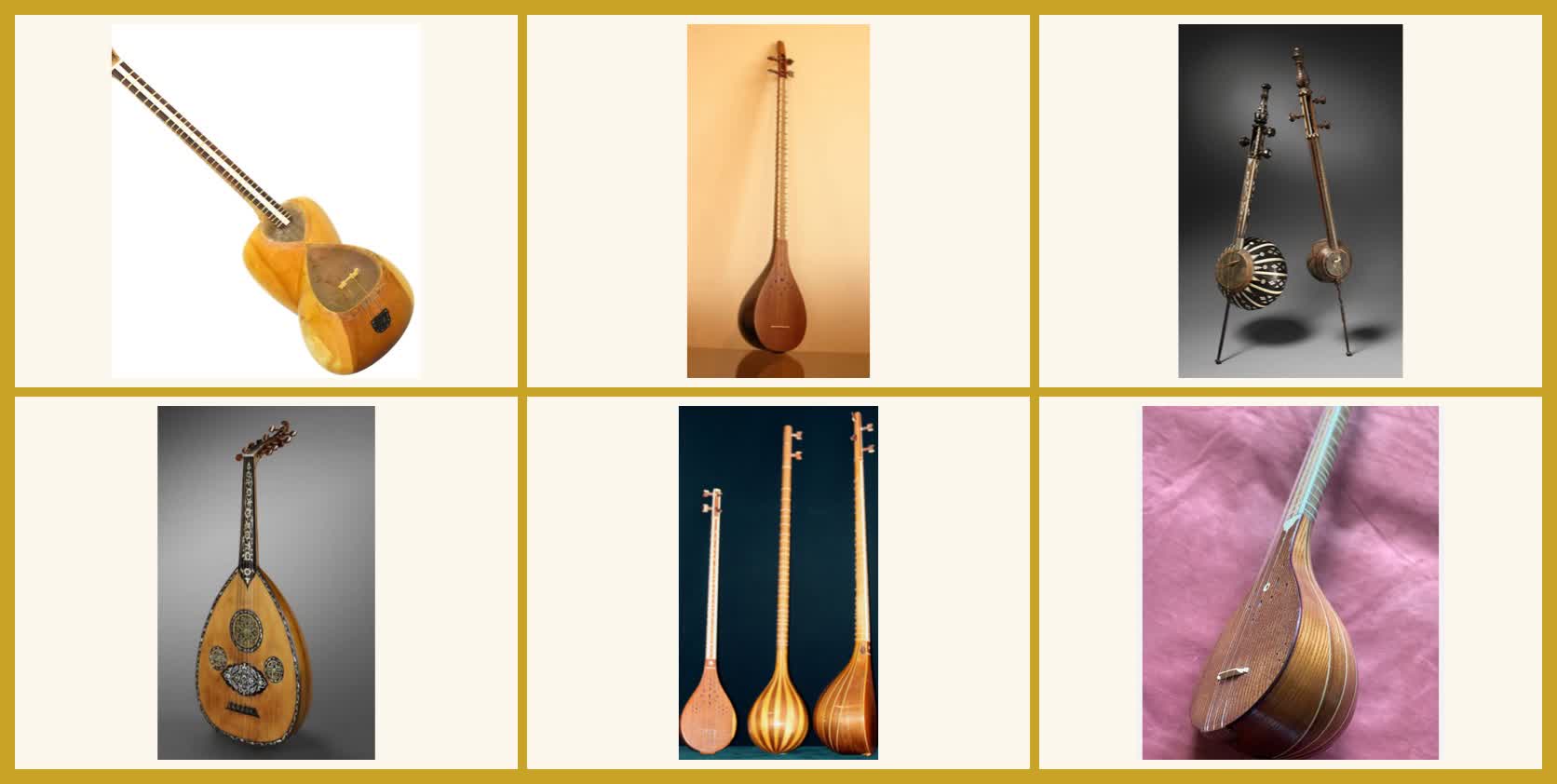
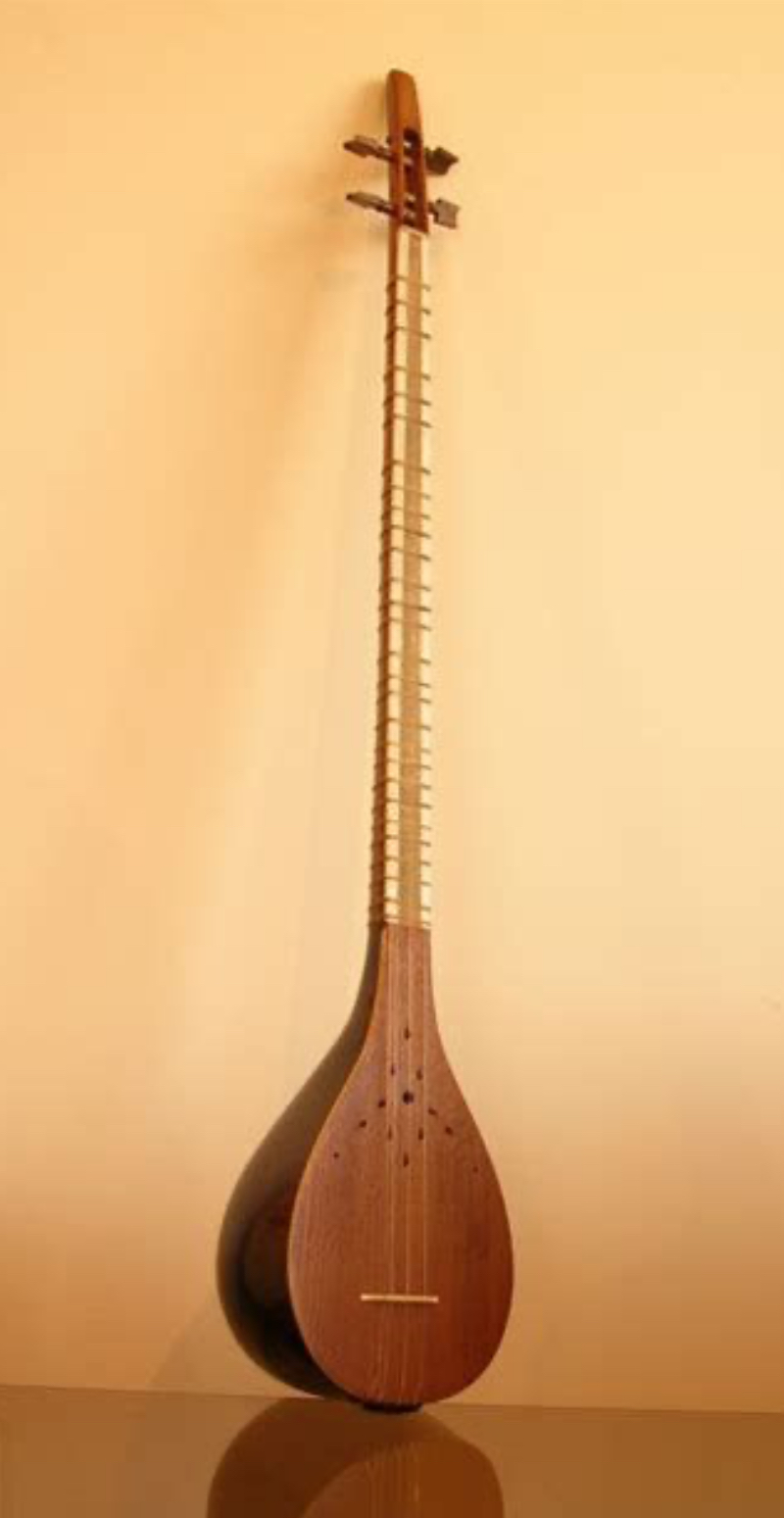
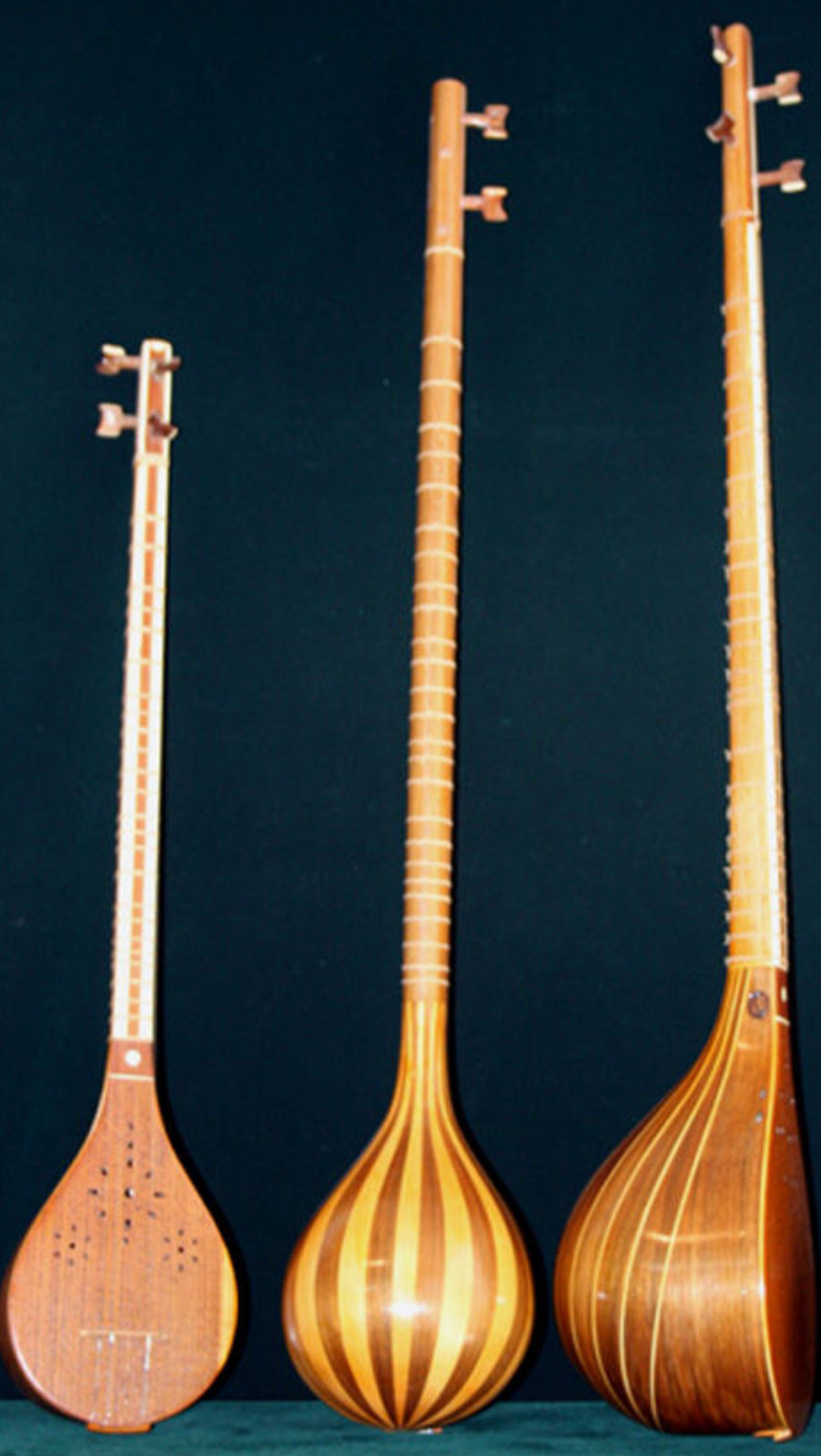
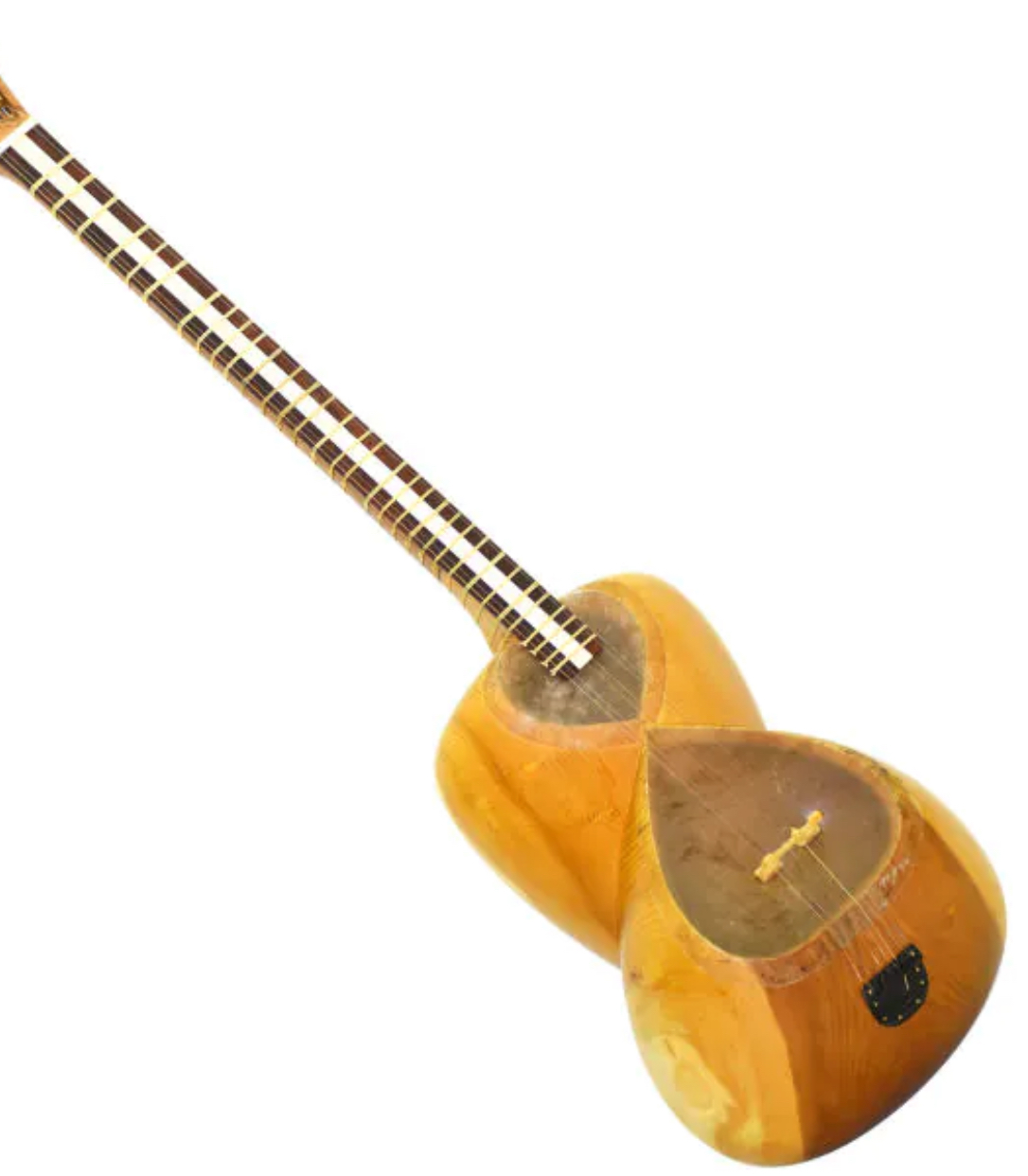
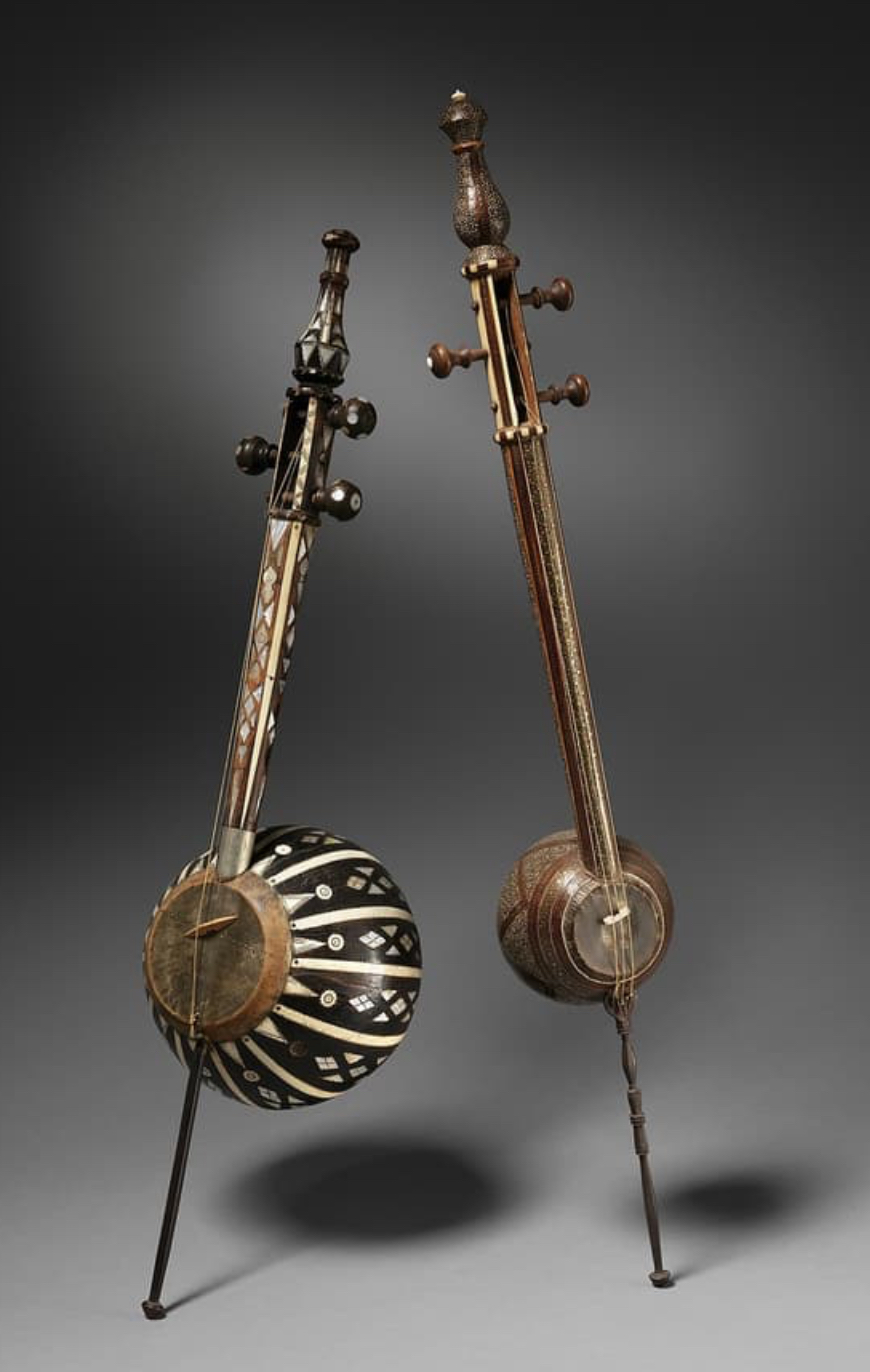
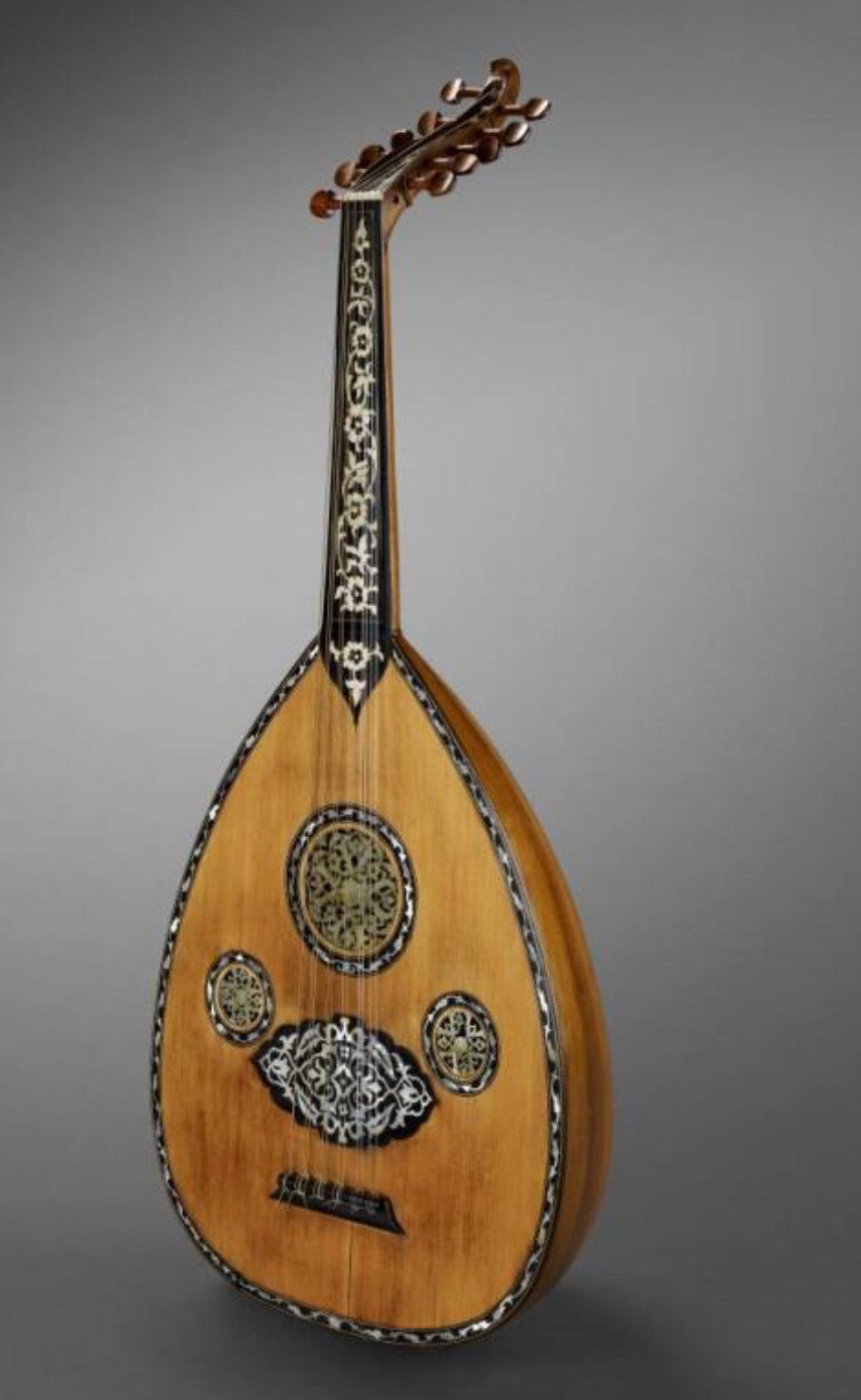
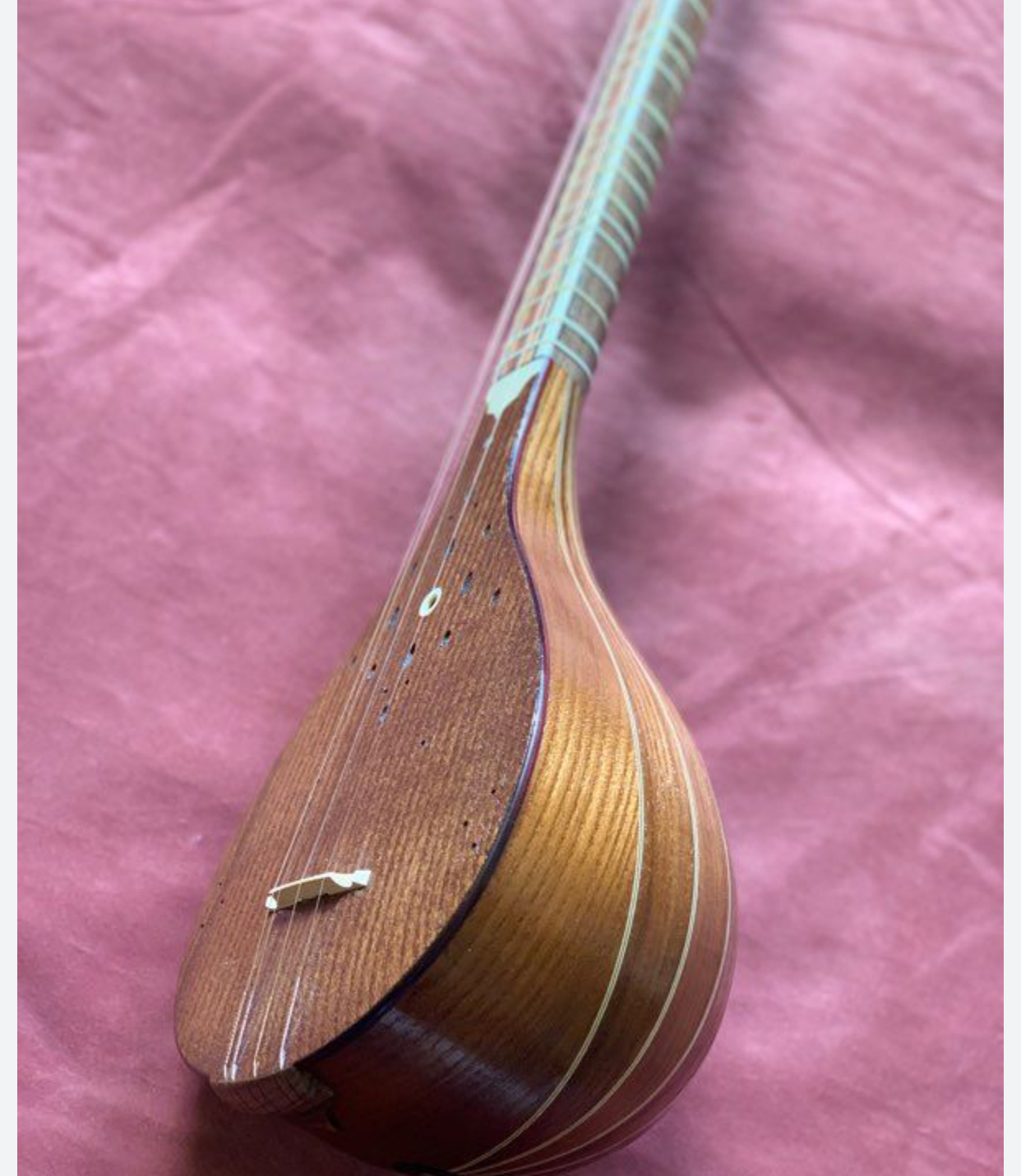
Pour dire ce chant, des instruments nes du genie iranien. Le setar, petit luth au long manche que l’on pince de l’ongle, murmure plus qu’il ne sonne — c’est l’instrument des derviches et des solitudes. Le tar, a la double caisse en forme de coeur tendue de peau d’agneau, est le roi du radif. Le kamanche, viele a pique, pleure d’une voix presque humaine. Le santur aux cordes frappees fait ruisseler la lumiere, le ney — simple roseau — exhale le souffle de l’exil, et le tombak bat comme un coeur. Le barbat, ancetre de tous les luths du monde, rappelle que d’ici sont partis les instruments qui peupleront l’Orient et l’Occident.
III. The instruments that speak Persian
The setar, a long-necked lute plucked with the fingernail, whispers more than it sounds. The tar, with its waisted double bowl skinned in lambskin, is the king of the radif. The kamanche, a spike fiddle, weeps in a near-human voice. The santur of struck strings pours down light; the ney — a simple reed — breathes the sigh of exile; the tombak beats like a heart. The barbat, ancestor of every lute on earth, recalls that from this soil departed the instruments that would people both East and West.
۳. سازهایی که فارسی سخن میگویند
سهتار که با ناخن نواخته میشود، بیش از آنکه بنوازد، نجوا میکند. تار با کاسهٔ دوقلوی پوستکشیده، شاهِ ردیف است. کمانچه با صدایی نزدیک به انسان میگرید. سنتور نور فرومیریزد، نی — نِیی ساده — نَفَسِ تبعید را بازمیدمد، و تنبک چون قلبی میتپد. بربط، نیای همهٔ عودها و رودهای جهان، یادآور است که سازهای شرق و غرب از همین خاک برخاستند.
IV. Le chant est de la poesie faite son
Ici se revele le miracle iranien. Car l’avaz — la grande melodie improvisee, libre de toute mesure — ne se chante presque jamais sur des mots ordinaires. Il se chante sur Hafez, sur Saadi, sur le Masnavi de Roumi. Le vocaliste ne « met pas en musique » un poeme : il fait monter le poeme jusqu’a son incandescence, la ou le sens deborde les mots et devient pure vibration.
Voila pourquoi l’Iran est, indissociablement, le pays de la poesie ET de la grande musique : parce que la-bas, ce sont une seule et meme chose. Quand Shahram Nazeri chante Roumi, ce ne sont pas huit siecles qui nous separent du poete — c’est huit siecles qui s’effondrent dans une seule note tenue.
IV. Song is poetry made sound
Here the Iranian miracle reveals itself. The avaz — the great improvised, meterless melody — is almost never sung to ordinary words. It is sung to Hafez, to Saadi, to the Masnavi of Rumi. The singer does not « set a poem to music »: he raises the poem to its incandescence, where meaning overflows words and becomes pure vibration.
This is why Iran is, inseparably, the land of poetry AND of great music: because there they are one and the same thing. When Shahram Nazeri sings Rumi, it is not eight centuries that part us from the poet — it is eight centuries collapsing into a single held note.
۴. آواز، شعریست که صدا شده
اینجا معجزهٔ ایرانی آشکار میشود. آواز — آن ملودیِ بزرگِ بیوزن و بداهه — تقریباً هرگز بر کلامِ معمولی خوانده نمیشود. بر حافظ، بر سعدی، بر مثنویِ مولانا خوانده میشود. خواننده شعر را « آهنگین » نمیکند: شعر را تا تابناکیاش بالا میبَرد، آنجا که معنا از کلمه سرریز میکند و ارتعاشِ ناب میشود.
از همینروست که ایران، جداییناپذیر، هم سرزمینِ شعر است و هم سرزمینِ موسیقیِ بزرگ. وقتی شهرام ناظری مولانا میخواند، هشت قرن میانِ ما و شاعر فرونمیریزد مگر در یک نُتِ کشیده.
V. Les gardiens du feu
Le feu a eu ses gardiens. Au XIXe siecle, deux freres, Mirza Abdollah (1843–1918) et Aqa Hoseyn-qoli, fils du grand Ali-Akbar Farahani, fixerent le radif instrumental que l’Encyclopaedia Iranica nomme « la source principale de la musique classique persane contemporaine ». Puis vint Ali-Naqi Vaziri, le reformateur, qui rapporta d’Europe la portee et fonda le premier conservatoire moderne. Et Abolhasan Saba, le pedagogue dont presque tous les grands violonistes du siecle furent les eleves.
Et puis il y eut elle. En 1924, sur la scene du Grand Hotel de Teheran, Qamar-ol-Molouk Vaziri chanta le visage decouvert — la premiere grande voix de femme a se produire en public sans le voile. On la convoqua au poste de police ; elle n’ecouta pas. Retenez ce nom, retenez cette date : nous y reviendrons, car ce que Qamar avait conquis, un autre regime allait le confisquer.
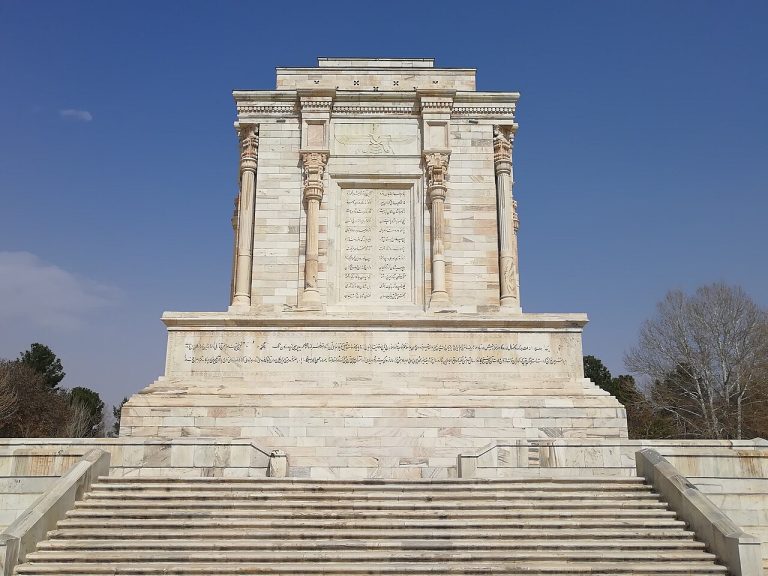
Au XXe siecle finissant, une generation entiere reprit le flambeau du radif : le mouvement Chavosh de Mohammad-Reza Lotfi, Hossein Alizadeh au tar, Parviz Meshkatian au santur, Kayhan Kalhor dont le kamanche fait le tour du monde. Et au-dessus de tous, une voix : Mohammad-Reza Shajarian (1940–2020), que les Iraniens nommaient simplement « la Voix de l’Iran ». A sa mort, la foule a chante ses chansons dans la rue, et on l’a enterre, selon son voeu, pres du tombeau de Ferdowsi — le poete couche aupres du chant.
Et la voix de Qamar, elle, n’est pas morte : elle s’appelle aujourd’hui Parissa. Disciple du grand maitre du radif Mahmoud Karimi, cette diva de l’avaz porte la grande tradition vocale comme un flambeau — et si elle chante desormais sur les scenes d’Europe et d’Amerique, c’est que dans son propre pays on lui interdit de faire entendre, seule, sa voix de femme.
Et le feu a aussi franchi les frontieres. A Paris, ou il vit en exil depuis 1986, Reza Ghassemi — maitre du setar, compositeur pour Shajarian et Nazeri, dramaturge que le regime avait fait taire — a fonde l’ensemble Moshtaq et prouve qu’une braise iranienne brule aussi loin de son foyer.
V. The keepers of the flame
The flame had its keepers. In the 19th century the brothers Mirza Abdollah (1843–1918) and Aqa Hoseyn-qoli, sons of Ali-Akbar Farahani, fixed the instrumental radif that the Encyclopaedia Iranica calls « the main source of contemporary Persian classical music ». Then came Ali-Naqi Vaziri, who brought the staff from Europe and founded the first modern conservatory. And Abolhasan Saba, the teacher of nearly every great violinist of the age.
And then there was her. In 1924, on the stage of Tehran’s Grand Hotel, Qamar-ol-Molouk Vaziri sang with her face unveiled — the first great woman’s voice to perform in public without the veil. She was summoned to the police; she did not listen. Remember that name and that date: what Qamar won, another regime would confiscate.
In the late 20th century an entire generation took up the radif again: the Chavosh movement of Mohammad-Reza Lotfi, Hossein Alizadeh on tar, Parviz Meshkatian on santur, Kayhan Kalhor whose kamanche circles the globe. And above them all, one voice: Mohammad-Reza Shajarian (1940–2020), whom Iranians simply called « the Voice of Iran ». At his death the crowd sang his songs in the street, and he was buried, by his wish, beside the tomb of Ferdowsi — the poet lying next to the song.
And Qamar’s voice did not die: today it is called Parissa. A disciple of the great radif master Mahmoud Karimi, this diva of the avaz carries the vast vocal tradition like a torch — and if she now sings on the stages of Europe and America, it is because in her own country she is forbidden to let her woman’s voice be heard alone.
And the flame crossed borders too. In Paris, where he has lived in exile since 1986, Reza Ghassemi — master of the setar, composer for Shajarian and Nazeri, a playwright the regime had silenced — founded the Moshtaq Ensemble and proved that an Iranian ember burns even far from its hearth.
۵. نگاهبانانِ آتش
آتش نگاهبانانی داشت. در سدهٔ نوزدهم دو برادر، میرزا عبدالله (۱۸۴۳–۱۹۱۸) و آقا حسینقلی، فرزندانِ علیاکبر فراهانی، ردیفِ سازی را تثبیت کردند که ایرانیکا آن را « سرچشمهٔ اصلیِ موسیقیِ کلاسیکِ معاصرِ ایران » مینامد. سپس علینقی وزیری آمد که خطِ نُت را از اروپا آورد و نخستین هنرستانِ نوین را بنیاد نهاد. و ابوالحسن صبا، آموزگاری که کمتر ویولننوازِ بزرگِ آن قرن از شاگردانش نبود.
و آنگاه او بود. در ۱۹۲۴، بر صحنهٔ گرَند هتلِ تهران، قمرالملوک وزیری بیحجاب آواز خواند — نخستین صدای بزرگِ زنانه که در ملأ عام بیروبند خواند. به کلانتری احضارش کردند؛ نشنید. این نام و این تاریخ را به یاد بسپار: آنچه قمر به دست آورد، رژیمی دیگر مصادرهاش کرد.
در پایانِ سدهٔ بیستم نسلی تمام دوباره ردیف را برافراشت: جنبشِ چاووشِ محمدرضا لطفی، حسین علیزاده با تار، پرویز مشکاتیان با سنتور، کیهان کلهر که کمانچهاش جهان را درمینوردد. و بر فرازِ همه، یک صدا: محمدرضا شجریان (۱۹۴۰–۲۰۲۰)، که ایرانیان او را تنها « صدای ایران » میخواندند. به وصیتِ خود، کنارِ آرامگاهِ فردوسی به خاک سپرده شد — شاعر، در کنارِ آواز خفت.
و صدای قمر نمرد: امروز نامش پریساست. شاگردِ استادِ بزرگِ ردیف، محمود کریمی، این دیوای آواز سنتِ بزرگِ آوازی را چون مشعلی برمیدارد — و اگر امروز بر صحنههای اروپا و آمریکا میخوانَد، از آن روست که در سرزمینِ خویش او را از شنواندنِ تنهای صدای زنانهاش بازداشتهاند.
و آتش از مرزها نیز گذشت. در پاریس، آنجا که از ۱۹۸۶ در تبعید زندگی میکند، رضا قاسمی — استادِ سهتار، آهنگسازِ شجریان و ناظری، نمایشنامهنویسی که رژیم خاموشش کرده بود — گروهِ مشتاق را بنیاد نهاد و نشان داد که اخگرِ ایرانی حتی دور از خانه نیز میسوزد.
VI. Zahaak contre le chant
Mais il y a, dans cette histoire de lumiere, une longue nuit. Lorsqu’en 1979 Zahaak — le regime des Mollahs, le serpent etranger du Shahnameh — s’empara de l’Iran, il comprit aussitot ce qu’un tyran sait toujours : un peuple qui chante ne se laisse pas asservir. Alors il voulut faire taire la musique elle-meme. Khomeiny la chassa des ondes en la declarant corruptrice : « Comme l’opium, la musique abrutit celui qui l’ecoute et rend son cerveau inactif et frivole », osa-t-il declarer en juillet 1979. Et l’on n’interdit pas seulement la pop de l’Occident : meme la musique savante, meme le radif millenaire, meme Barbad et Hafez furent bannis des radios et des televisions ; il fallut attendre la fin des annees 1980 pour qu’on les tolere de nouveau, a peine.
Et la voix de Qamar ? On la rendit au silence. Depuis 1979, il est interdit aux femmes de chanter en soliste devant un public mixte. Ce que la revolution de Qamar avait arrache en 1924 — une femme qui chante a visage decouvert — la « revolution » de 1979 le re-emmura. Sur les televisions d’Etat, on floute les instruments comme on flouterait une nudite. Et lorsque Shajarian, en 2009, prit le parti des manifestants que le pouvoir traitait de « poussiere et de fetus » (khas-o khashak), il repondit ces mots devenus immortels : « Je suis la voix de cette poussiere et de ces fetus, et je le resterai toujours. » Le regime le bannit aussitot de ses antennes, et fit taire jusqu’a son Rabbana.
VI. Zahaak against the song
But this story of light has its long night. When in 1979 Zahaak — the regime of the Mullahs, the foreign serpent of the Shahnameh — seized Iran, it understood at once what tyrants always know: a people that sings will not be enslaved. So it tried to silence music itself. Khomeini swept it from the airwaves, calling it corrupting: « Like opium, music stupefies the listener and renders his brain inactive and frivolous », he declared in July 1979. And it was not only Western pop that was banned: even art music, even the millennial radif, even Barbad and Hafez were swept from radio and television; not until the late 1980s were they barely tolerated again.
And Qamar’s voice? It was returned to silence. Since 1979 women have been forbidden to sing solo before a mixed audience. What Qamar’s revolution had torn free in 1924, the « revolution » of 1979 walled up again. On state television they blur the instruments as one would blur nudity. And when Shajarian in 2009 stood with the protesters the regime called « dust and trash » (khas-o khashak), he answered with words now immortal: « I am the voice of that dust and trash, and I always will be. » The regime banned him at once from its airwaves, and silenced even his Rabbana.
۶. ضحاک در برابرِ آواز
اما در این داستانِ روشنایی شبی دراز هست. چون در ۱۳۵۷ ضحاک — رژیمِ آخوندها، آن مارِ بیگانهٔ شاهنامه — ایران را گرفت، بیدرنگ آنچه را هر جبّاری میداند دریافت: ملتی که آواز میخوانَد به بندگی تن نمیدهد. پس خواست خودِ موسیقی را خاموش کند. خمینی آن را از امواج راند و فاسدش خواند: « موسیقی مانندِ تریاک شنونده را بیحِس و مغزش را بیکار و سبکسر میکند »، در تیرماهِ ۱۳۵۸. و تنها پاپِ غربی تحریم نشد: حتی موسیقیِ اصیل، حتی ردیفِ هزارساله، حتی باربد و حافظ از رادیو و تلویزیون رانده شدند؛ تا اواخرِ دههٔ ۱۳۶۰ بهزحمت دوباره تحمل شدند.
و صدای قمر؟ به سکوت بازگردانده شد. از ۱۳۵۷ زنان از خواندنِ تکخوانی در برابرِ مخاطبِ مردانه ممنوعاند. آنچه انقلابِ قمر در ۱۹۲۴ آزاد کرده بود، « انقلابِ » ۱۳۵۷ دوباره دیوار کشید. در تلویزیونِ دولتی سازها را محو میکنند، چنانکه عریانی را. و چون شجریان در ۸۸ کنارِ معترضانی ایستاد که قدرت آنان را « خس و خاشاک » خواند، با این کلماتِ جاودانه پاسخ داد: « من صدای همان خس و خاشاکم و همیشه خواهم بود. » رژیم بیدرنگ از آنتنهایش طردش کرد و حتی ربّناًیش را خاموش ساخت.
VII. Ce qui ne se tait pas
Et pourtant. Pourtant ils ont echoue. Car on peut interdire une radio, on ne peut pas interdire une veine. On peut flouter un tar sur un ecran, on ne peut pas flouter le tremblement qu’il fait naitre dans une poitrine iranienne. La musique savante a continue de se transmettre dans les salons, les caves, l’exil, les cassettes que l’on se passait de main en main comme des reliques. Une jeune fille, aujourd’hui encore, chante seule dans un caravanserail desert et le diffuse au monde, au risque des coups de fouet — parce qu’il est des choses qu’un peuple ne peut pas ne pas faire.
Shajarian repose pres de Ferdowsi, et chaque jour des Iraniens viennent y chanter. Voila la verite que Zahaak n’a jamais comprise : on n’enchaine pas une ame qui chante. On peut tuer le chanteur ; le chant, jamais. Le radif est plus vieux que la Republique islamique de quarante-sept siecles ; il lui survivra de quarante-sept siecles encore.
VII. What cannot be silenced
And yet they failed. You can ban a radio; you cannot ban a vein. You can blur a tar on a screen; you cannot blur the tremor it stirs in an Iranian chest. Art music went on passing hand to hand — in parlors, in cellars, in exile, on cassettes traded like relics. A young woman, even now, sings alone in a deserted caravanserai and broadcasts it to the world at the risk of the lash — because there are things a people cannot not do.
Shajarian rests beside Ferdowsi, and every day Iranians come to sing there. This is the truth Zahaak never grasped: you do not chain a soul that sings. You may kill the singer; the song, never. The radif is older than the Islamic Republic by forty-seven centuries; it will outlive it by forty-seven more.
۷. آنچه خاموش نمیشود
و با این همه، شکست خوردند. میتوان رادیویی را بست؛ رگی را نمیتوان. میتوان تاری را بر پرده محو کرد؛ لرزشی را که در سینهٔ ایرانی میاندازد، نه. موسیقیِ اصیل در خانهها، در زیرزمینها، در تبعید، بر نوارهایی که چون یادگاری دستبهدست میشد، به زیستن ادامه داد. دختری، همین امروز، در کاروانسرایی متروک تنها میخوانَد و به جهان میرساند، به بهای تازیانه — زیرا چیزهایی هست که یک ملت نمیتواند نکند.
شجریان کنارِ فردوسی آرمیده و هر روز ایرانیان آنجا میخوانند. این حقیقتیست که ضحاک هرگز درنیافت: جانی را که آواز میخوانَد به زنجیر نمیتوان کشید. خواننده را شاید بکُشی؛ آواز را، هرگز. ردیف چهلوهفت قرن از جمهوریِ اسلامی کهنتر است؛ چهلوهفت قرنِ دیگر نیز از آن خواهد ماند.
— Ashk-7000, pour la Garde Javidan. Que la voix de l’Iran couvre un jour le silence de ses geoliers.
— Ashk-7000, for the Garde Javidan. May the voice of Iran one day drown the silence of its jailers.
— اشک-۷۰۰۰، برای گاردِ جاویدان. باشد که روزی صدای ایران بر سکوتِ زندانبانانش چیره شود.
Sources
- Encyclopaedia Iranica (iranicaonline.org) — Dastgah, Avaz, Barbad, Farabi v. Music, Avicenna ix. Music, ‘Abdallah Mirza, Vaziri, Saba, Qamar-al-Moluk Vaziri, Hafez and Music.
- UNESCO, Radif of Iranian music, inscrit au Patrimoine culturel immateriel de l’humanite, 2009.
- Associated Press, juillet 1979 (declaration de Khomeiny : la musique « comme l’opium »).
- Nahid Siamdoust, Soundtrack of the Revolution: The Politics of Music in Iran, Stanford University Press, 2017.
- RFE/RL — Radio Farda & Center for Human Rights in Iran (interdiction du chant solo feminin ; bannissement de Shajarian, Rabbana).
- IranWire (floutage des instruments a la television d’Etat).
- Bruno Nettl, The Radif of Persian Music · Jean During, The Art of Persian Music · Hormoz Farhat, The Dastgah Concept in Persian Music (Cambridge UP).