Poust-andâzi : comment les fossoyeurs et ennemis de l’iranité se sont déguisés en patriotes
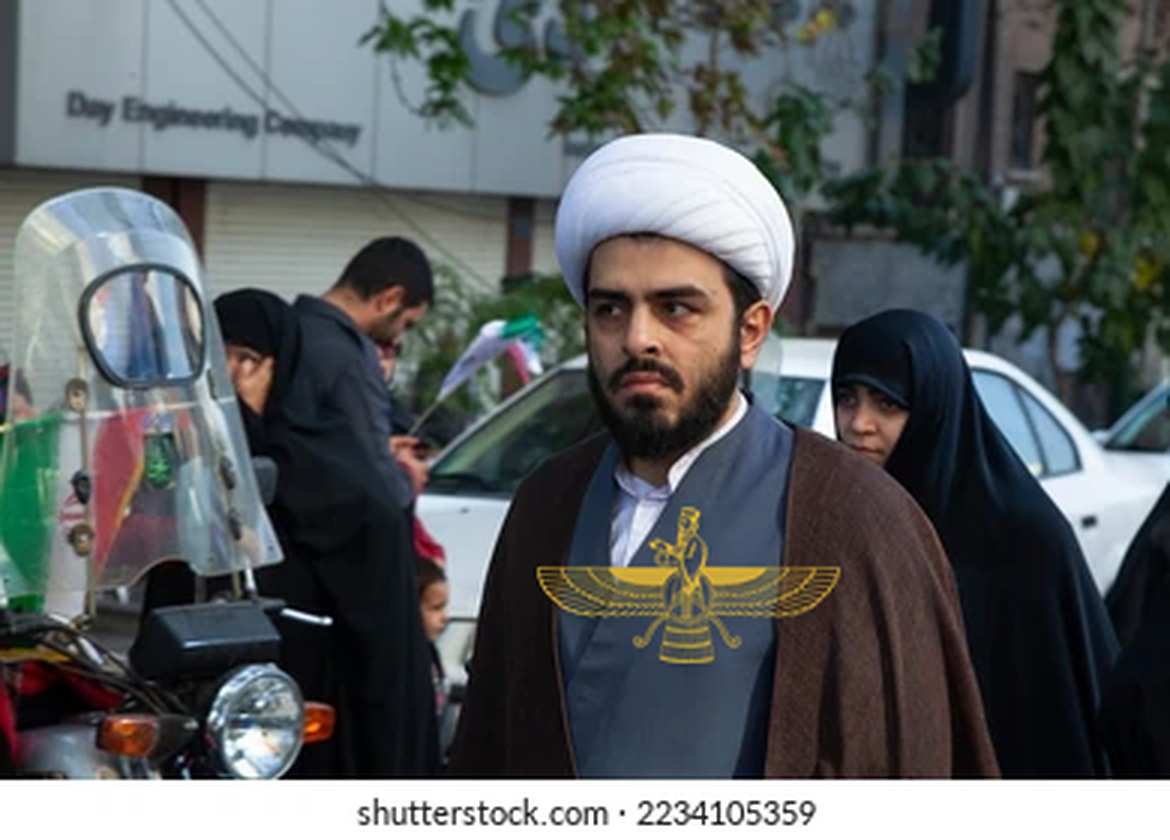
Montage — le clerc paré du Faravahar, le symbole même de l’Iran pré-islamique qu’il a passé sa vie à combattre.
Insights · Identité · La mue du régime
Poust-andâzi : comment les fossoyeurs et ennemis de l’iranité se sont déguisés en patriotes
Quarante-six ans, ils ont combattu l’Iran. Depuis la Guerre des Douze Jours, ils se drapent dans son drapeau. Le serpent a changé de peau — c’est toujours le serpent.
Il y a un mot persan pour cela : پوستاندازی — poust-andâzi, la mue, quand le serpent abandonne sa vieille peau. Depuis la Guerre des Douze Jours (juin 2025), la République islamique et ses relais ont opéré cette mue : du jour au lendemain, les voilà « patriotes iraniens », célébrant la nation, le sol, la gloire antique. Mais une mue n’est pas une métamorphose. Sous la peau neuve, le même reptile. Pour comprendre l’imposture, il faut se rappeler ce qu’ils disaient de nous — et ce qu’ils faisaient — avant.
Ce qu’ils disaient de nous AVANT · 1979–2025
Dès l’origine, l’idéologie du régime nie l’Iran comme nation. Pour Khomeiny, l’identité nationale et ethnique n’est qu’un complot étranger destiné à diviser les musulmans :
« La propagande selon laquelle untel est arabe, untel est iranien, turc ou kurde est une propagande répandue par les étrangers… Ceux qui, au nom du nationalisme, créent la division entre les musulmans sont les armées de Satan, des opposants au Saint Coran. »Khomeiny — Message aux pèlerins, dans Islam and Revolution (trad. H. Algar)
Le passé pré-islamique de l’Iran ? Une honte à effacer. Il reprochait au Chah de vouloir « ramener la page en arrière, au temps d’avant le Prophète, au temps de tant de rois sanguinaires adorateurs du feu ». Norouz, notre Nouvel An millénaire ? À étouffer : « Je demande à ceux qui ont des rituels pour ce qu’ils appellent Norouz de les atténuer cette année » (mars 1981). Les fêtes des 2500 ans de la monarchie à Persépolis ? Un « festival du Diable ». Et la formule qui résume tout : « Notre mouvement est islamique avant d’être iranien » (1979).
Son successeur n’a pas dévié. Khamenei a rabaissé l’héritage monarchique pluri-millénaire de l’Iran comme « une tradition fautive et déraisonnable qui a dominé notre pays pendant plusieurs milliers d’années… une vieille structure corrompue qu’il faut détruire ». Le clergé du régime a, des décennies durant, décrit l’Iran antique comme un « âge d’ignorance » et ridiculisé ceux qui glorifient Cyrus. Quand, vers 2010, le camp d’Ahmadinejad osa une « école iranienne » (maktab-e Irani) plaçant le persan au-dessus de l’islamique, les fidèles de Khamenei la dénoncèrent comme une déviation.
Ce qu’ils faisaient de nous AVANT
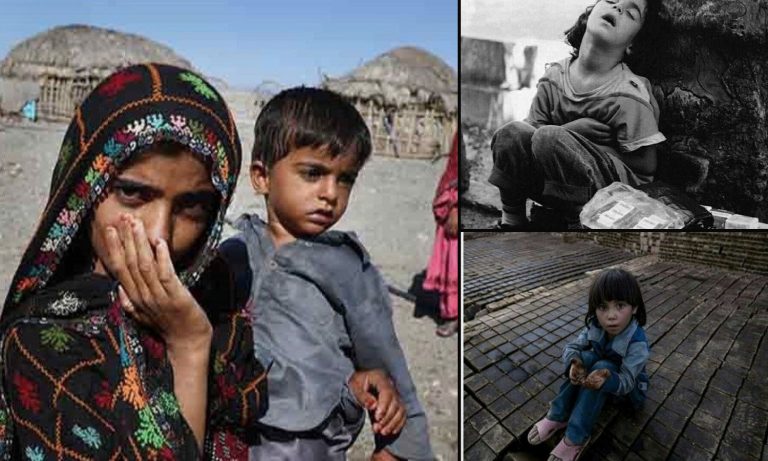
Les mots étaient des actes. Sous bannière religieuse — la « défense des sanctuaires » de Damas (Sayyeda Zeinab) — le régime a envoyé mourir en Syrie des milliers de combattants étrangers, milices Fatemiyoun (Afghans) et Zeynabiyoun (Pakistanais), pour une cause chiite trans-nationale, jamais iranienne. L’argent et le sang allaient à Gaza, au Liban, à Damas — pas à l’Iran.
Et le patrimoine ? En 2007, malgré le tollé mondial, le régime a inauguré le barrage de Sivand dans la gorge de Bolaghi, entre Persépolis et Pasargades, noyant 130 sites archéologiques. Dès 2010, la montée de la nappe et de l’humidité fissurait Pasargades — là où repose Cyrus. Le tombeau du fondateur de l’Iran, menacé par ceux qui le gouvernent.
Puis vint la Guerre des Douze Jours APRÈS · juin 2025
Frappé, humilié, le régime a soudain découvert l’Iran. Le 26 juin 2025, Khamenei prononce « Iran » et « la nation » une vingtaine de fois pour une seule mention de l’islam, exalte la « grande nation iranienne » et sa civilisation antique, et ose :
« Notre richesse culturelle et civilisationnelle est des centaines de fois supérieure à celle des États-Unis. »Khamenei — 26 juin 2025 (un long passage sans une seule référence à l’islam)
Le même homme se met à dire « Parvardegâr » — le Très-Haut, en persan — au lieu d’« Allah », et à ouvrir ses propos par « Dorud », la salutation pré-islamique que ses propres révolutionnaires honnissaient. Le 5 juillet 2025, lors d’Achoura, il fait chanter « Ey Iran » — l’hymne associé à l’ère Pahlavi, longtemps banni. Les médias d’État, eux, déploient des affiches d’Arash l’Archer, héros du Shâhnâmé… tirant des « missiles » au lieu de flèches.
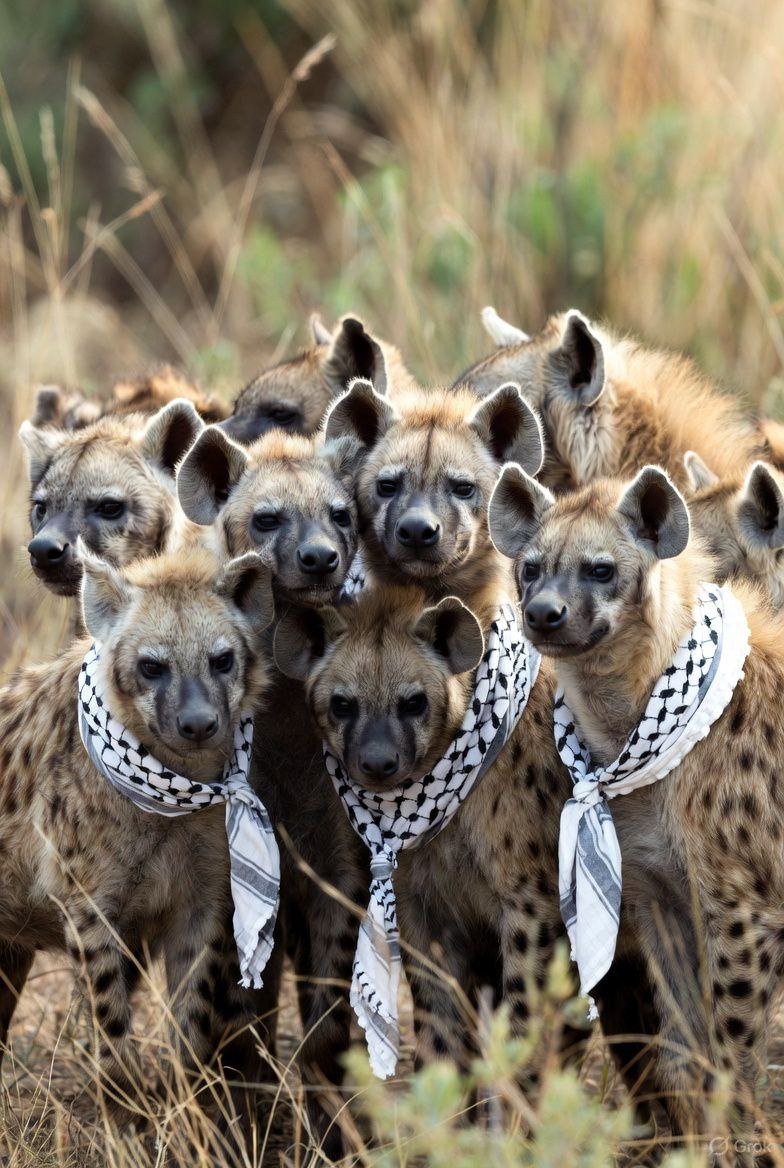
تولهٔ ولایی، تخمهٔ تازی
« Toulé Velâyi, Tokhmé Tâzi » — et depuis la Guerre des Douze Jours, ça se prend pour un Iranien.
گه خوردی
GOH KHORDI
La mue, pas la métamorphose APRÈS
Que les analystes ne s’y trompent pas — et ils ne s’y trompent pas. Ce virage est une mue de façade :
« En fusionnant imagerie nationaliste et religieuse, le régime se bâtit une légitimité émotionnelle — sans céder un pouce de contrôle politique. C’est une tactique déjà utilisée pendant la guerre Iran-Irak. »Middle East Monitor, 27 juillet 2025
Pendant qu’il chante « Ey Iran », le régime a procédé à plus de 21 000 arrestations depuis le 13 juin 2025. Comme l’a dit un ancien prisonnier politique à Radio Farda : le régime ne se réforme pas, il mène les prisonniers à la potence — cette fois au son d’hymnes patriotiques plutôt que de chants religieux. La peau a changé ; les crocs sont les mêmes.
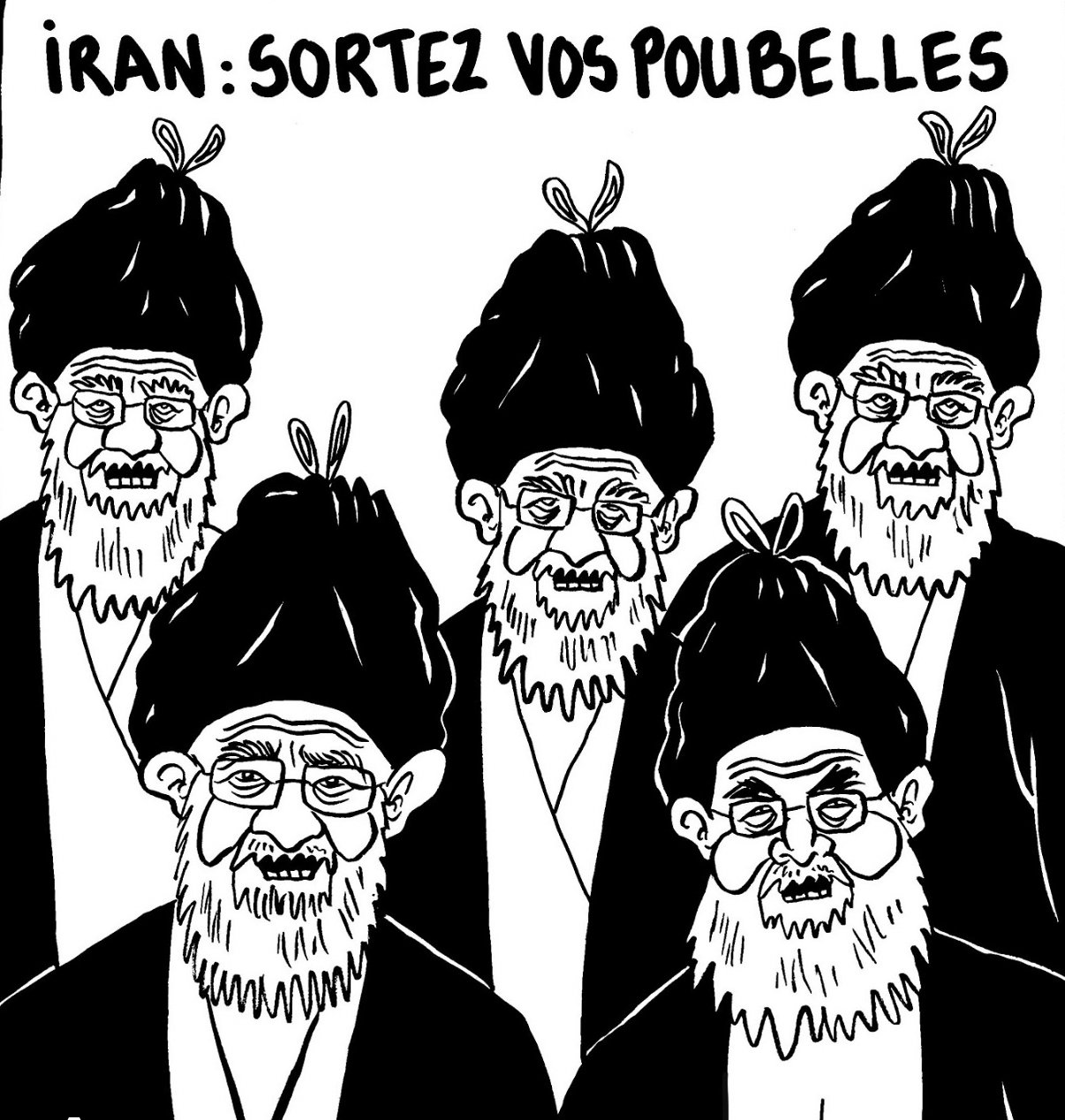
Car c’est cela, Zahaak — le tyran serpent du Shâhnâmé, l’usurpateur étranger qui dévore la jeunesse de l’Iran. Il peut se peindre le Faravahar sur la peau, chanter « Ey Iran », brandir Cyrus : il reste l’étranger qui hait ce pays. Le Faravahar ne se porte pas comme un déguisement. Il se mérite. Et l’Iran n’appartient pas à ceux qui l’ont noyé, réprimé et insulté — il appartient à sa nation, qui, elle, n’a jamais cessé d’aimer Cyrus, Norouz et le sol de ses pères.
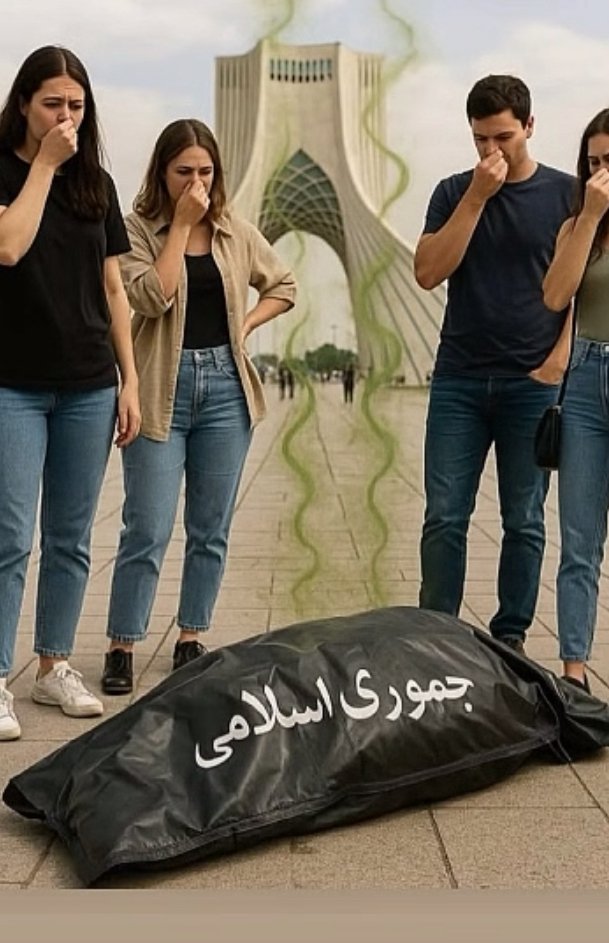
ضحّاک پوست میاندازد، ضحّاک میمانَد
« Zahaak change de peau — Zahaak reste Zahaak. »
— IranZamin, pour la Garde Javidan.
Insights · Identity · The regime’s molting
Poust-andâzi: how the gravediggers and enemies of Iranian-ness disguised themselves as patriots
For forty-six years they fought Iran. Since the Twelve-Day War, they wrap themselves in its flag. The snake has shed its skin — it is still the snake.
There is a Persian word for this: پوستاندازی — poust-andâzi, the molting, when a snake casts off its old skin. Since the Twelve-Day War (June 2025), the Islamic Republic and its mouthpieces have done exactly that: overnight they are « Iranian patriots, » celebrating the nation, the soil, ancient glory. But a molt is not a metamorphosis. Beneath the new skin, the same reptile. To grasp the imposture, we must remember what they said about us — and what they did — before.
What they said about us BEFORE · 1979–2025
From the very start, the regime’s ideology denies Iran as a nation. For Khomeini, national and ethnic identity was merely a foreign plot to divide Muslims:
« The propaganda that such and such is an Arab, such and such an Iranian, a Turk or a Kurd is propaganda spread by foreigners… Those who, in the name of nationalism, sow division among Muslims are the armies of Satan, opponents of the Holy Quran. »Khomeini — Message to the Pilgrims, in Islam and Revolution (trans. H. Algar)
Iran’s pre-Islamic past? A shame to erase. He reproached the Shah for wanting « to turn the page back to the time before the Prophet, to the time of so many bloodthirsty fire-worshipping kings. » Nowruz, our millennia-old New Year? To be smothered: « I ask all those who have rituals for what they call Nowruz to tone them down this year » (March 1981). The 2,500-year monarchy celebrations at Persepolis? A « Devil’s festival. » And the line that says it all: « Our movement is Islamic before it is Iranian » (1979).
His successor did not deviate. Khamenei belittled Iran’s millennia-old monarchical heritage as « a faulty and unreasonable tradition that ruled our country for several thousand years… an old, corrupt structure that must be destroyed. » For decades the regime’s clergy described ancient Iran as an « age of ignorance » and mocked those who glorify Cyrus. When, around 2010, Ahmadinejad’s camp dared an « Iranian school » (maktab-e Irani) placing the Persian above the Islamic, Khamenei’s loyalists denounced it as a deviation.
What they did to us BEFORE
Words were deeds. Under a religious banner — the « defense of the shrines » in Damascus (Sayyeda Zeinab) — the regime sent thousands of foreign fighters to die in Syria: the Fatemiyoun (Afghans) and Zeynabiyoun (Pakistanis) militias, for a trans-national Shiite cause, never an Iranian one. The money and the blood went to Gaza, Lebanon, Damascus — not to Iran.
And the heritage? In 2007, despite a worldwide outcry, the regime opened the Sivand Dam in the Bolaghi gorge, between Persepolis and Pasargadae, flooding 130 archaeological sites. By 2010, rising groundwater and humidity were cracking Pasargadae — where Cyrus lies. The tomb of Iran’s founder, threatened by those who rule it.
Then came the Twelve-Day War AFTER · June 2025
Struck and humiliated, the regime suddenly discovered Iran. On 26 June 2025, Khamenei said « Iran » and « the nation » some twenty times for a single mention of Islam, extolled the « great Iranian nation » and its ancient civilization, and dared:
« Our cultural and civilizational wealth is hundreds of times greater than that of the United States. »Khamenei — 26 June 2025 (a long passage without a single reference to Islam)
The same man now says « Parvardegâr » — the Almighty, in Persian — instead of « Allah, » and opens with « Dorud, » the pre-Islamic greeting his own revolutionaries despised. On 5 July 2025, at Ashura, he had « Ey Iran » sung — the anthem associated with the Pahlavi era, long banned. State media, meanwhile, plastered posters of Arash the Archer, hero of the Shahnameh… firing « missiles » instead of arrows.
تولهٔ ولایی، تخمهٔ تازی
« Toulé Velâyi, Tokhmé Tâzi » — and since the Twelve-Day War, it fancies itself an Iranian.
گه خوردی
GOH KHORDI
A molt, not a metamorphosis AFTER
Let no analyst be fooled — and they are not. This turn is a cosmetic molt:
« By merging nationalist and religious imagery, the regime is building emotional legitimacy — without ceding an inch of political control. It is a tactic Iran used before, during the Iran–Iraq War. »Middle East Monitor, 27 July 2025
While it sings « Ey Iran, » the regime has carried out more than 21,000 arrests since 13 June 2025. As a former political prisoner told Radio Farda: the regime is not reforming, it is leading prisoners to the gallows — this time to patriotic anthems instead of religious chants. The skin has changed; the fangs are the same.
For that is Zahhak — the serpent tyrant of the Shahnameh, the foreign usurper who devours Iran’s youth. He may paint the Faravahar on his skin, sing « Ey Iran, » brandish Cyrus: he remains the foreigner who hates this land. The Faravahar is not worn as a disguise. It is earned. And Iran does not belong to those who drowned, repressed and insulted it — it belongs to its nation, which has never ceased to love Cyrus, Nowruz and the soil of its fathers.
ضحّاک پوست میاندازد، ضحّاک میمانَد
« Zahhak sheds his skin — Zahhak remains Zahhak. »
— IranZamin, for the Garde Javidan.
اینسایتس · هویت · پوستاندازی رژیم
پوستاندازی: گورکنان و دشمنان ایرانیّت، چگونه نقابِ میهنپرستی بر چهره زدند
چهلوشش سال با ایران جنگیدند. از جنگ دوازدهروزه به اینسو، خود را در پرچم آن میپیچند. مار پوست انداخته است — اما همان مار است.
واژهای فارسی برای این هست: پوستاندازی — آنگاه که مار پوستِ کهنهاش را وامینهد. از جنگ دوازدهروزه (ژوئن ۲۰۲۵) به اینسو، جمهوری اسلامی و بلندگوهایش دقیقاً همین کردهاند: یکشبه «میهنپرست ایرانی» شدهاند و ملت و خاک و شکوهِ باستان را میستایند. اما پوستاندازی، دگردیسی نیست. زیرِ پوستِ تازه، همان خزنده. برای دریافتنِ این فریب، باید به یاد آورد که پیشتر دربارهٔ ما چه میگفتند — و با ما چه میکردند.
آنچه دربارهٔ ما میگفتند پیشتر · ۱۹۷۹–۲۰۲۵
از همان آغاز، ایدئولوژیِ رژیم ایران را همچون یک ملت انکار میکند. برای خمینی، هویتِ ملی و قومی چیزی جز توطئهٔ بیگانگان برای تفرقه میان مسلمانان نبود:
«این تبلیغ که فلانی عرب است و فلانی ایرانی و ترک و کرد، تبلیغی است که بیگانگان دامن میزنند… آنان که به نامِ ملیگرایی میان مسلمانان تفرقه میاندازند، لشکرِ شیطان و مخالفِ قرآن کریماند.»خمینی — پیام به حجاج، در «اسلام و انقلاب» (ترجمهٔ ح. الگار)
گذشتهٔ پیش از اسلامِ ایران؟ ننگی که باید پاک شود. او شاه را سرزنش میکرد که میخواهد «ورق را به عقب برگرداند، به زمانِ پیش از پیامبر، به روزگارِ آن همه پادشاهِ خونریزِ آتشپرست». نوروز، نوروزِ هزارانسالهٔ ما؟ باید خاموش شود: «از همهٔ کسانی که برای آنچه نوروز مینامند آیین دارند میخواهم امسال آن را کمرنگ کنند» (اسفند ۱۳۵۹). جشنهای ۲۵۰۰ سالهٔ شاهنشاهی در تختجمشید؟ «جشنِ شیطان». و جملهای که همهچیز را میگوید: «جنبشِ ما اسلامی است پیش از آنکه ایرانی باشد» (۱۹۷۹).
جانشینش نیز منحرف نشد. خامنهای میراثِ پادشاهیِ هزارانسالهٔ ایران را چنین خوار شمرد: «سنتی نادرست و نامعقول که هزاران سال بر کشورِ ما چیره بود… ساختاری کهنه و فاسد که باید ویران شود». روحانیتِ رژیم دههها ایرانِ باستان را «عصرِ جاهلیت» خواند و ستایندگانِ کوروش را ریشخند کرد. حدودِ سالِ ۲۰۱۰، آنگاه که جناحِ احمدینژاد «مکتبِ ایرانی» را پیش کشید — که ایرانی را بر اسلامی مقدم میداشت — وفادارانِ خامنهای آن را انحراف خواندند.
آنچه با ما کردند پیشتر
سخنها کردار بودند. زیرِ بیرقِ دینی — «دفاع از حرم» در دمشق (حضرت زینب) — رژیم هزاران جنگجوی بیگانه را به کشتن داد در سوریه: شبهنظامیانِ فاطمیون (افغان) و زینبیون (پاکستانی)، برای آرمانی فراملیِ شیعی، نه هرگز ایرانی. پول و خون به غزه و لبنان و دمشق میرفت — نه به ایران.
و میراث؟ در سالِ ۲۰۰۷، با وجودِ اعتراضِ جهانی، رژیم سدِ سیوند را در تنگهٔ بلاغی، میانِ تختجمشید و پاسارگاد، به بهرهبرداری رساند و ۱۳۰ سایتِ باستانشناسی را زیرِ آب برد. تا سالِ ۲۰۱۰، بالا آمدنِ آبهای زیرزمینی و رطوبت، پاسارگاد را میترکاند — همانجا که کوروش آرمیده است. آرامگاهِ بنیانگذارِ ایران، در تهدیدِ همانان که بر آن فرمان میرانند.
آنگاه جنگِ دوازدهروزه فرارسید پس از آن · ژوئن ۲۰۲۵
کوبیده و خوارشده، رژیم ناگهان ایران را کشف کرد. در ۲۶ ژوئن ۲۰۲۵، خامنهای «ایران» و «ملت» را نزدیک به بیست بار در برابرِ یک اشاره به اسلام به زبان آورد، «ملتِ بزرگِ ایران» و تمدنِ باستانش را ستود و گستاخی کرد:
«ثروتِ فرهنگی و تمدنیِ ما صدها برابر بیش از ایالاتِ متحده است.»خامنهای — ۲۶ ژوئن ۲۰۲۵ (بندی بلند، بییک اشاره به اسلام)
همان مرد اکنون بهجای «الله»، «پروردگار» میگوید — واژهای بسیار پارسی — و سخن را با «دُرود» میآغازد، همان سلامِ پیش از اسلام که انقلابیونِ خودش از آن بیزار بودند. در ۵ ژوئیه ۲۰۲۵، در عاشورا، فرمود سرودِ «ای ایران» را بخوانند — سرودی پیوسته به دورانِ پهلوی و دیرگاه ممنوع. رسانههای دولتی نیز پوسترهای آرشِ کمانگیر، قهرمانِ شاهنامه، را برافراشتند… که بهجای تیر، «موشک» پرتاب میکند.
تولهٔ ولایی، تخمهٔ تازی
«تولهٔ ولایی، تخمهٔ تازی» — و از جنگِ دوازدهروزه به اینسو، خود را ایرانی میپندارد.
گه خوردی
GOH KHORDI
پوستاندازی، نه دگردیسی پس از آن
هیچ تحلیلگری فریب نمیخورد — و نمیخورند. این چرخش، پوستاندازیِ ظاهری است:
«رژیم با درآمیختنِ نمادهای ملی و دینی، مشروعیتی احساسی میسازد — بیآنکه ذرهای از کنترلِ سیاسی را واگذارد. این ترفندی است که ایران پیشتر، در جنگِ ایران و عراق، به کار بست.»میدل ایست مانیتور، ۲۷ ژوئیه ۲۰۲۵
همزمان که «ای ایران» میخواند، رژیم از ۱۳ ژوئن ۲۰۲۵ بیش از ۲۱٬۰۰۰ بازداشت انجام داده است. چنانکه زندانیِ سیاسیِ سابقی به رادیو فردا گفت: رژیم اصلاح نمیشود، زندانیان را به پای دار میبرد — اینبار با سرودِ میهنی بهجای نوحه. پوست عوض شده؛ دندانها هماناند.
زیرا این است ضحّاک — اژدهامارِ شاهنامه، آن غاصبِ بیگانه که جوانیِ ایران را میبلعد. میتواند فروهر بر پوست نقش کند، «ای ایران» بخواند، کوروش را علم کند: باز همان بیگانهای است که این سرزمین را دشمن میدارد. فروهر را همچون نقاب نمیپوشند؛ آن را شایسته میشوند. و ایران از آنِ کسانی نیست که آن را زیرِ آب بردند و سرکوب کردند و دشنام دادند — از آنِ ملتی است که هرگز از عشق به کوروش و نوروز و خاکِ پدران دست نکشید.
ضحّاک پوست میاندازد، ضحّاک میمانَد
«ضحّاک پوست میاندازد — اما ضحّاک میمانَد.»
— ایرانزمین، برای گارد جاویدان.
Sources / منابع : Khomeiny, Islam and Revolution (trad. H. Algar) · al-islam.org / Sahifeh-ye Imam · MERIP (1980) · english.khamenei.ir · The Washington Institute · AGSI · Washington Post (27/07/2025) · Middle East Monitor (27/07/2025) · Radio Farda / RFE-RL · Irish Times · FPRI · IranWire · Moshe Dayan Center · New America (« Soleimani’s Shadow ») · Wikipedia (Sivand Dam, Khomeinism). Citations apocryphes écartées ; « poust-andâzi » = cadrage éditorial ; slogans de Pasargades = populaires et anti-régime.