L’Iran qu’on affame — pauvreté, chèreté de la vie et chômage des jeunes
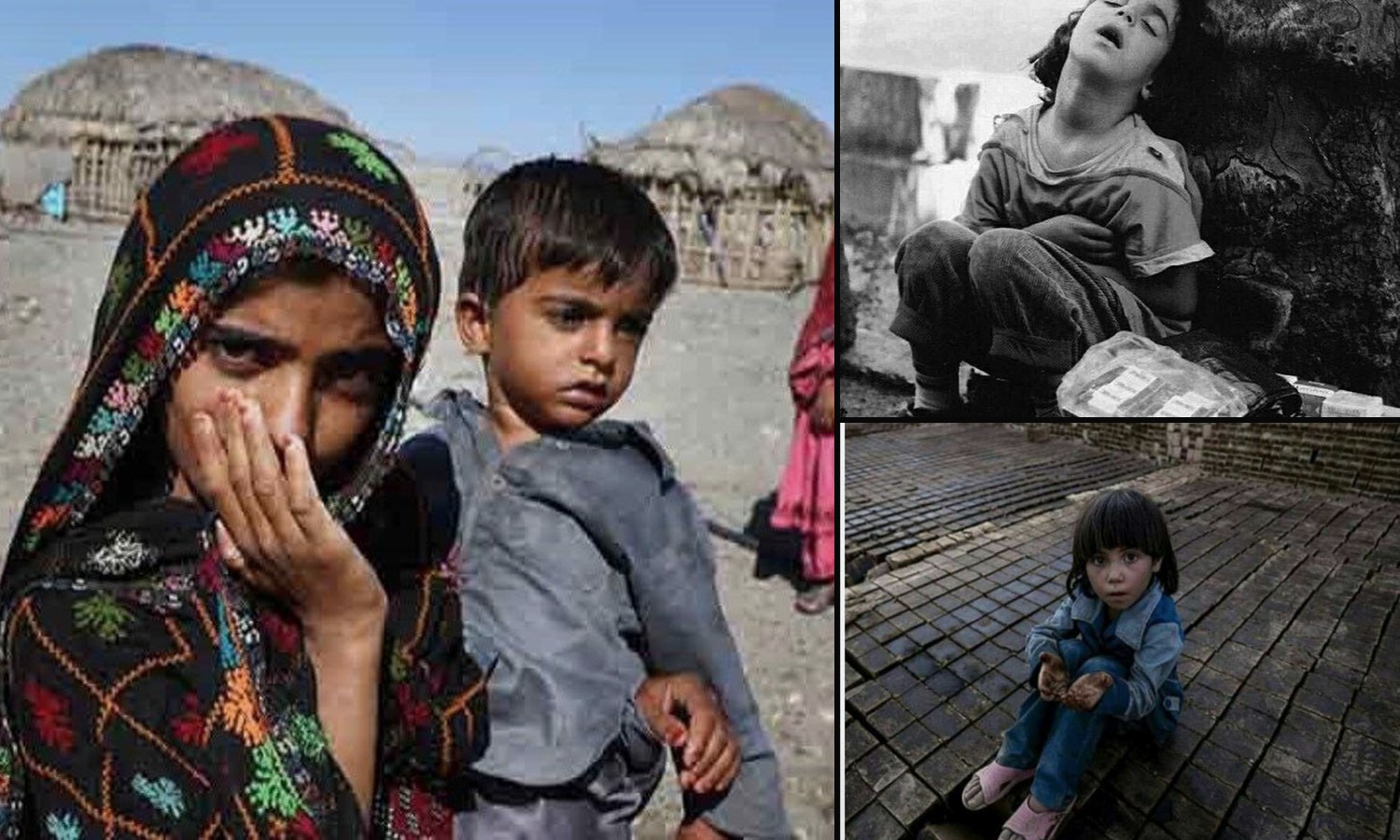
Le visage de l’appauvrissement : l’enfance d’un peuple sacrifiée par Zahaak.
L’Iran qu’on affame
Pauvreté, chèreté de la vie et chômage des jeunes : anatomie chiffrée d’un appauvrissement organisé sous la République islamique — et le souvenir d’un pays qui, hier, rattrapait l’Europe.
Voici un dossier de chiffres. Pas des slogans : des données, pour la plupart issues des propres organismes officiels du régime — Centre statistique d’Iran (CSI), Banque centrale — relayées par la Banque mondiale, le FMI et la presse indépendante. Or ces chiffres officiels sont systématiquement minimisés par le régime — son appareil statistique est un outil de propagande. Et lorsque même les données qu’il consent à publier, déjà largement sous-estimées, sont à ce point accablantes, c’est qu’il n’y a plus rien à cacher. Un peuple héritier de l’une des plus anciennes civilisations du monde compte aujourd’hui ses œufs un par un. Voici comment.
I. La chèreté de la vie : l’inflation qui dévore
⚠ Tous ces chiffres émanent du Centre statistique d’Iran, l’organe du régime — et sont considérés comme sous-estimés par les économistes indépendants. La réalité vécue est pire.
Selon le Centre statistique d’Iran lui-même, l’inflation annuelle a atteint 50,6 % en mars 2026 (glissement sur douze mois) et bondi à 77,2 % en glissement point-à-point au printemps 2026 — un niveau jamais vu depuis 1942, en pleine Seconde Guerre mondiale. ⚠ chiffre du régime — sous-estimé L’inflation n’est plus une crise passagère : elle dépasse les 30 % chaque année depuis la sortie américaine de l’accord nucléaire en 2018.
Pire encore : l’inflation alimentaire a atteint +112,5 % sur un an. Le panier de base se vide :
- Huile et matières grasses : +219 %
- Pain et céréales : +140 %
- Viande (rouge et volaille) : +135 %
- Produits laitiers : +117 %
- Fruits et fruits secs : +104 %
Et l’inflation frappe plus durement les pauvres que les riches (54,2 % pour le deuxième décile contre 49,2 % pour le plus aisé), et les campagnes plus que les villes (86,5 % en zone rurale). Concrètement, en un an, le kilo de riz est passé de l’équivalent de 1,31 $ à plus de 3,63 $ (+180 %) ; une bouteille d’huile a plus que quadruplé de prix (+330 %).
« La viande rouge est devenue un rêve, le poulet un simple invité à notre table, et j’ai même commencé à compter les œufs un par un. »Fatima, 46 ans, mère au foyer à Téhéran — témoignage, juin 2026
Le résultat est mesurable dans les assiettes : sur dix ans, la consommation de viande rouge par habitant a chuté de 40 %, celle des produits laitiers de 30 %. Un épicier de 71 ans le résume : « En quarante ans de métier, je n’ai jamais vu une récession aussi grave, même pas durant les pires sanctions. »
II. La monnaie pulvérisée
En 2018, le dollar s’échangeait à 42 000 rials au taux officiel. Début janvier 2026, il franchit le seuil historique de 1,5 million de rials ; à l’été 2026, il tutoie les 1,7 million. La monnaie nationale a perdu plus de 97 % de sa valeur depuis 2018, et a été divisée par environ 150 depuis 2012. En mars 2026, le régime a dû émettre un billet de 10 millions de rials — sa plus grosse coupure de l’histoire — qui ne vaut que sept dollars.
Cette ruine n’est pas une fatalité géologique : c’est le produit d’une planche à billets emballée. La masse monétaire (liquidité) progresse de plus de 40 % par an, alimentée par un État qui emprunte à sa propre banque centrale pour combler ses déficits. Chaque rial imprimé est une taxe invisible prélevée sur les économies des ménages.
III. Pauvreté : quand le salaire ne suffit plus à survivre
La Banque mondiale estime que plus d’un tiers des Iraniens vivent désormais dans la pauvreté, et prévoit une aggravation. Le Centre de recherche du Parlement et le ministère du Travail reconnaissent une pauvreté absolue touchant environ 30 % de la population, soit 25 à 26 millions de personnes ⚠ chiffre du régime — sous-estimé.
Le cœur du scandale tient dans un écart. Pour l’année persane 1404 (2025-2026), le salaire minimum mensuel a été fixé à 10,4 millions de tomans (en hausse de 45 %). Mais le coût d’un panier de subsistance pour une famille active est estimé entre 35 et 50 millions de tomans par mois. À Téhéran, le seuil de pauvreté dépasse trois fois le salaire minimum.
C’est pourquoi les rues d’Iran résonnent de protestations : retraités, enseignants, ouvriers manifestent semaine après semaine contre des pensions qui ne suivent pas, contre des salaires qui ne nourrissent plus. À la marge, la misère pousse au pire : des adolescents dès 16 ans vendent un rein pour payer un loyer — l’Iran est le seul pays au monde doté d’un marché légal du rein.
IV. Le chômage, et d’abord celui des jeunes
Le régime affiche un taux de chômage officiel de 7,3 % ⚠ chiffre du régime — sous-estimé — « le plus bas depuis vingt ans ». Le chiffre est une illusion statistique : en Iran, est compté comme « occupé » quiconque a travaillé ne serait-ce qu’une heure par semaine, même sans rémunération. Les millions de découragés qui ont cessé de chercher disparaissent des statistiques. Résultat : plus de 41 millions d’Iraniens — soit 58 % de la population en âge de travailler — sont hors de la population active. En réintégrant les découragés, des experts estiment le taux réel autour de 45 %.
La jeunesse paie le prix fort. Le chômage des 15-24 ans atteint près de 23 % (Banque mondiale), trois fois le taux national. Pour les jeunes femmes, il grimpe à 31,5 % — et frôle les 50 % en ville. Le taux d’activité des femmes, lui, est tombé à 13 %, contre une moyenne mondiale de 49 %.
Le paradoxe du chômage des diplômés
Comble de l’absurde : plus on est diplômé, plus on risque le chômage. Le taux de chômage des diplômés du supérieur (10,7 %) dépasse la moyenne nationale ; près de 795 000 diplômés sont sans emploi, et les titulaires d’un diplôme universitaire représentent 39 % de tous les chômeurs. Un système qui forme des ingénieurs et des médecins pour les condamner à l’inactivité ou à l’exil.
La fuite des cerveaux : l’Iran se vide de sa jeunesse
La conséquence est logique : 150 000 à 180 000 diplômés et professionnels quittent l’Iran chaque année (estimation du FMI). L’Iran figure parmi les tout premiers pays au monde pour la fuite des cerveaux, qui lui coûterait de 50 à 70 milliards de dollars par an. Plus de la moitié des employés des startups technologiques veulent partir, sans esprit de retour. Et pourtant, 70 % des Iraniens ont moins de 35 ans : c’est tout l’avenir d’une nation qui s’évapore.
L’équation est sans issue sous ce régime : il faudrait absorber environ 825 000 nouveaux actifs par an ; l’économie n’a créé qu’environ 57 000 emplois sur une année récente.
V. Avant 1979 / après 1979 : le pays qu’on a fait dérailler
Tout cela ne tombe pas du ciel. Il fut un temps — pas si lointain — où l’Iran rattrapait l’Europe au lieu de sombrer. Comparons honnêtement, chiffres en main.
| Indicateur | Avant 1979 (ère Pahlavi) | Aujourd’hui (2024-2026) |
|---|---|---|
| Croissance réelle du PIB | ≈ 10,5 % / an (1963-1977) | Stagnation / récession |
| Inflation | ≈ 2,6 % / an (1961-1972) | 50 à 77 % |
| Taux de change | ~70 rials = 1 $ (stable) | ~1,7 million rials = 1 $ |
| Statut financier | État créancier net (prêtait au FMI) | Plus gros billet ≈ 7 $ |
| Rang économique mondial | 18ᵉ (1977), devant Turquie et Corée du Sud | Distancé, PIB/hab parmi les plus bas de la région |
| Universités / étudiants | 4 → 16 universités ; 14 500 → 154 000 étudiants | Diplômés au chômage ou en exil |
Le contraste le plus implacable est la comparaison avec la Corée du Sud. En 1980, le revenu par habitant de l’Iran (2 374 $) dépassait celui de la Corée du Sud (1 711 $) et de la Turquie. Quarante-six ans plus tard, la Corée du Sud affiche un PIB par habitant onze fois supérieur à celui de l’Iran (≈ 37 400 $ contre ≈ 3 400 $).
Soyons honnêtes — et c’est précisément ce qui rend l’argument solide : tout n’était pas « 20 sur 20 » sous les Pahlavi, et l’on ne prétend pas que chaque foyer vivait alors matériellement mieux qu’aujourd’hui. Le point n’est pas là. Le point, imparable, c’est le décrochage : l’Iran a perdu la course qu’il était en train de gagner. Une croissance à deux chiffres a été cassée. Une monnaie stable a été pulvérisée. Un pays qui prêtait au monde émet aujourd’hui des billets de sept dollars. En 1977, le président Carter, à Téhéran, qualifiait l’Iran d’« îlot de stabilité dans une région troublée ». Quarante-sept ans plus tard, le régime qui a remplacé cette trajectoire n’a produit ni stabilité, ni prospérité, ni dignité.
VI. Pourquoi ? Le coût de Zahaak
Cette ruine a des causes nommées, et elles ne sont pas « le peuple iranien » : Zahaak, le régime des Mollahs, dévore la jeunesse et les ressources du pays exactement comme le tyran-serpent du Shâhnâmeh. Gestion idéologique catastrophique, corruption systémique, et surtout mainmise des Gardiens de la Révolution (IRGC) sur l’économie : à eux seuls, des portefeuilles liés à l’IRGC ont reçu plus de 3 milliards de dollars en crypto en 2025. Une fuite de capitaux d’environ 20 milliards de dollars a eu lieu pour la seule année 2024.
En mai 2022, l’abandon brutal du dollar subventionné pour les imports alimentaires a fait flamber certains prix de plus de 300 %. Pendant ce temps, le régime trouve 700 millions à 1 milliard de dollars par an pour financer le Hezbollah, et signe un accord nucléaire de 25 milliards de dollars avec la Russie. Le régime arme ses milices à l’étranger pendant que les familles comptent leurs œufs. Voilà l’arbitrage de Zahaak : des proxies et des centrifugeuses contre du pain et du travail.
« On affame le peuple iranien pour qu’il ait peur. »
VII. Ce que le chiffre ne dit pas — et ce qui vient après
Derrière chaque pourcentage il y a un visage : l’enfant qui ne mangera pas de viande ce mois-ci, le diplômé qui fait ses valises pour Toronto, la retraitée qui manifeste sous la matraque, l’adolescent qui vend son rein. L’appauvrissement n’est pas un accident de gestion : c’est le bilan d’un système. Le peuple iranien n’est pas pauvre — on l’a appauvri.
Mais l’histoire récente prouve que la trajectoire peut être renversée : l’Iran l’a déjà fait une fois, en quinze ans, jusqu’à devancer la Corée du Sud. Ce que Zahaak a cassé, un Iran libre le rebâtira. Le Grand-Père a construit l’Iran moderne. Le Père l’a rendu prospère. Le Fils le remettra sur pied.
Le chiffre est une arme. Partagez-le. Brisez le silence des médias.
Sources principales
- Centre statistique d’Iran (CSI / markazamar) — indices d’inflation et d’emploi 2025-2026
- Banque mondiale — Iran Poverty & Equity Brief (avril 2025), Macro Poverty Outlook
- Fonds monétaire international (FMI) — estimations Iran 2026, fuite des cerveaux
- Iran International — taux de change, inflation, salaires, emploi (2025-2026)
- Atlantic Council — Iran’s economic performance since the 1979 Revolution
- Encyclopædia Iranica — Economy ix. In the Pahlavi Period
- Discours de Jimmy Carter, Téhéran, 31 décembre 1977 (« island of stability »)
Note : sauf indication contraire, les taux 2026 reflètent le marché libre (très volatils). Certaines estimations (taux de chômage réel, coûts de la fuite des cerveaux) émanent de sources d’opposition et sont présentées comme estimations. Les chiffres officiels du CSI/Banque centrale sont souvent jugés sous-estimés — ici, même l’officiel est extrême.
The Iran They Starve
Poverty, soaring prices and youth unemployment: a data-driven anatomy of an organized impoverishment under the Islamic Republic — and the memory of a country that once caught up with Europe.
This is a dossier of numbers. Not slogans: data, most of it drawn from the regime’s own official agencies — the Statistical Center of Iran (SCI) and the Central Bank — relayed by the World Bank, the IMF and independent media. Yet these official figures are systematically understated by the regime — its statistical apparatus is a propaganda tool. And when even the data it agrees to publish, already heavily understated, are this damning, it means there is nothing left to hide. A people heir to one of the world’s oldest civilizations now counts its eggs one by one. Here is how.
I. The cost of living: inflation that devours
⚠ All these figures come from the Statistical Center of Iran, the regime’s own agency — and are considered understated by independent economists. The lived reality is worse.
According to the Statistical Center of Iran itself, annual inflation reached 50.6% in March 2026 (twelve-month rolling) and surged to 77.2% point-to-point in spring 2026 — a level not seen since 1942, in the midst of World War II. ⚠ regime figure — understated Inflation is no longer a passing crisis: it has exceeded 30% every year since the US withdrawal from the nuclear deal in 2018.
Worse still, food inflation hit +112.5% in a single year. The basic basket is emptying out:
- Oils and fats: +219%
- Bread and cereals: +140%
- Meat (red and poultry): +135%
- Dairy products: +117%
- Fruit and nuts: +104%
And inflation hits the poor harder than the rich (54.2% for the second decile versus 49.2% for the wealthiest), and the countryside harder than the cities (86.5% in rural areas). In one year, a kilo of rice went from the equivalent of $1.31 to over $3.63 (+180%); a bottle of cooking oil more than quadrupled (+330%).
« Red meat has become a dream, chicken just an occasional guest at our table, and I’ve even started counting eggs one by one. »Fatima, 46, housewife in Tehran — testimony, June 2026
The result is measurable on the plate: over ten years, per-capita red meat consumption fell 40%, dairy by 30%. A 71-year-old grocer sums it up: « In forty years in this trade, I have never seen a recession this severe — not even during the worst sanctions. »
II. A pulverized currency
In 2018, the dollar traded at 42,000 rials at the official rate. In early January 2026 it broke the historic threshold of 1.5 million rials; by summer 2026 it was nearing 1.7 million. The national currency has lost more than 97% of its value since 2018, and has been divided by roughly 150 since 2012. In March 2026, the regime had to issue a 10-million-rial banknote — its largest in history — worth just seven dollars.
This ruin is no geological fate: it is the product of a runaway printing press. The money supply (liquidity) grows by more than 40% a year, fueled by a state that borrows from its own central bank to cover its deficits. Every rial printed is an invisible tax levied on households’ savings.
III. Poverty: when wages no longer cover survival
The World Bank estimates that more than one-third of Iranians now live in poverty, and expects it to worsen. The Parliament’s research center and the Ministry of Labour acknowledge absolute poverty affecting roughly 30% of the population — 25 to 26 million people ⚠ regime figure — understated.
The heart of the scandal lies in a gap. For Persian year 1404 (2025-2026), the monthly minimum wage was set at 10.4 million tomans (up 45%). But the cost of a subsistence basket for a working family is estimated at between 35 and 50 million tomans a month. In Tehran, the poverty line is more than three times the minimum wage.
This is why Iran’s streets echo with protest: pensioners, teachers and workers demonstrate week after week against pensions that don’t keep up, against wages that no longer feed. At the extreme, destitution drives the unthinkable: teenagers as young as 16 sell a kidney to pay rent — Iran is the only country in the world with a legal kidney market.
IV. Unemployment — and youth unemployment first
The regime reports an official unemployment rate of 7.3% ⚠ regime figure — understated — « the lowest in twenty years. » The figure is a statistical illusion: in Iran, anyone who has worked even one hour a week, even unpaid, is counted as « employed. » The millions of discouraged who have stopped looking vanish from the statistics. The result: more than 41 million Iranians — 58% of the working-age population — are outside the labour force. Adding back the discouraged, experts estimate the real rate at around 45%.
Youth pay the steepest price. Unemployment among the 15-24 age group reaches nearly 23% (World Bank), three times the national rate. For young women it climbs to 31.5% — and approaches 50% in cities. Women’s labour-force participation has fallen to 13%, against a global average of 49%.
The educated-unemployment paradox
The height of absurdity: the more educated you are, the higher your risk of unemployment. The jobless rate among university graduates (10.7%) exceeds the national average; nearly 795,000 graduates are unemployed, and degree-holders make up 39% of all the unemployed. A system that trains engineers and doctors only to condemn them to idleness or exile.
Brain drain: Iran is emptying of its youth
The consequence is logical: 150,000 to 180,000 graduates and professionals leave Iran every year (IMF estimate). Iran ranks among the very top countries in the world for brain drain, which is estimated to cost it $50-70 billion a year. More than half of tech-startup employees want to leave, with no intention of returning. And yet 70% of Iranians are under 35: it is the entire future of a nation evaporating.
The equation is hopeless under this regime: about 825,000 new workers need to be absorbed each year; the economy created only some 57,000 jobs in a recent year.
V. Before 1979 / after 1979: the country they derailed
None of this fell from the sky. There was a time — not so long ago — when Iran was catching up with Europe rather than sinking. Let us compare honestly, figures in hand.
| Indicator | Before 1979 (Pahlavi era) | Today (2024-2026) |
|---|---|---|
| Real GDP growth | ≈ 10.5% / year (1963-1977) | Stagnation / recession |
| Inflation | ≈ 2.6% / year (1961-1972) | 50 to 77% |
| Exchange rate | ~70 rials = $1 (stable) | ~1.7 million rials = $1 |
| Financial standing | Net creditor state (lent to the IMF) | Largest banknote ≈ $7 |
| World economic rank | 18th (1977), ahead of Turkey and South Korea | Left behind; GDP/capita among region’s lowest |
| Universities / students | 4 → 16 universities; 14,500 → 154,000 students | Graduates jobless or in exile |
The most relentless contrast is with South Korea. In 1980, Iran’s per-capita income ($2,374) exceeded that of South Korea ($1,711) and Turkey. Forty-six years later, South Korea’s GDP per capita is eleven times higher than Iran’s (≈ $37,400 versus ≈ $3,400).
Let us be honest — and that is precisely what makes the argument solid: not everything was « 20 out of 20 » under the Pahlavis, and we do not claim every household lived materially better then than now. That is not the point. The point, undeniable, is the decoupling: Iran lost the race it was winning. Double-digit growth was broken. A stable currency was pulverized. A country that lent to the world now issues seven-dollar banknotes. In 1977, President Carter, in Tehran, called Iran « an island of stability in a troubled region. » Forty-seven years later, the regime that replaced that trajectory has produced neither stability, nor prosperity, nor dignity.
VI. Why? The cost of Zahaak
This ruin has named causes — and they are not « the Iranian people. » Zahaak, the regime of the Mullahs, devours the country’s youth and resources exactly like the serpent-tyrant of the Shâhnâmeh. Catastrophic ideological management, systemic corruption, and above all the Revolutionary Guards’ (IRGC) grip on the economy: IRGC-linked wallets alone received more than $3 billion in crypto in 2025. Capital flight of about $20 billion occurred in 2024 alone.
In May 2022, the abrupt removal of the subsidized dollar for food imports sent some prices soaring by over 300%. Meanwhile the regime finds $700 million to $1 billion a year to fund Hezbollah, and signs a $25 billion nuclear deal with Russia. The regime arms its militias abroad while families count their eggs. That is Zahaak’s trade-off: proxies and centrifuges over bread and work.
« They keep the Iranian people hungry so that it will fear. »
VII. What the figures don’t say — and what comes next
Behind every percentage there is a face: the child who will eat no meat this month, the graduate packing for Toronto, the pensioner protesting under the baton, the teenager selling a kidney. Impoverishment is not a management accident: it is the record of a system. The Iranian people are not poor — they have been impoverished.
But recent history proves the trajectory can be reversed: Iran did it once already, in fifteen years, until it overtook South Korea. What Zahaak broke, a free Iran will rebuild. The Grandfather built modern Iran. The Father made it prosperous. The Son will set it back on its feet.
The figure is a weapon. Share it. Break the media silence.
Main sources
- Statistical Center of Iran (SCI / markazamar) — inflation and employment indices 2025-2026
- World Bank — Iran Poverty & Equity Brief (April 2025), Macro Poverty Outlook
- International Monetary Fund (IMF) — Iran 2026 estimates, brain drain
- Iran International — exchange rate, inflation, wages, employment (2025-2026)
- Atlantic Council — Iran’s economic performance since the 1979 Revolution
- Encyclopædia Iranica — Economy ix. In the Pahlavi Period
- Jimmy Carter’s speech, Tehran, 31 December 1977 (« island of stability »)
Note: unless stated otherwise, 2026 rates reflect the open market (highly volatile). Some estimates (real unemployment rate, brain-drain cost) come from opposition sources and are presented as estimates. Official SCI / Central Bank figures are often considered understated — here, even the official ones are extreme.
ایرانی که گرسنه نگه میدارند
فقر، گرانی و بیکاری جوانان: کالبدشکافیِ آماریِ یک فقیرسازیِ سازمانیافته زیر سایهٔ جمهوری اسلامی — و یادِ کشوری که زمانی به اروپا میرسید.
این یک پروندهٔ آماری است. نه شعار: داده، که بیشترِ آن از نهادهای رسمیِ خودِ رژیم برآمده است — مرکز آمار ایران و بانک مرکزی — و توسط بانک جهانی، صندوق بینالمللی پول و رسانههای مستقل بازتاب یافته است. اما همین آمارِ رسمی نیز بهطور سیستماتیک از سوی رژیم کمنمایی میشود — دستگاهِ آماریِ آن ابزارِ تبلیغات است. و وقتی حتی دادههایی که خود منتشر میکند، با وجودِ کمتر از واقع بودن، تا این اندازه کوبندهاند، یعنی دیگر چیزی برای پنهانکردن نمانده. ملتی که وارثِ یکی از کهنترین تمدنهای جهان است، امروز تخممرغهایش را یکییکی میشمارد. ببینید چگونه.
۱. گرانیِ زندگی: تورمی که میبلعد
⚠ همهٔ این ارقام از مرکز آمار ایران، نهادِ خودِ رژیم، برآمدهاند — و اقتصاددانانِ مستقل آنها را کمتر از واقع میدانند. واقعیتِ زیسته بدتر است.
بنا بر گزارشِ مرکز آمار ایران، تورم سالانه در اسفند ۱۴۰۴ به ۵۰٫۶٪ رسید (دوازدهماههٔ متحرک) و در بهارِ ۱۴۰۵ در سنجشِ نقطهبهنقطه به ۷۷٫۲٪ جهید — سطحی که از سال ۱۹۴۲، در میانهٔ جنگ جهانی دوم، دیده نشده بود. ⚠ آمار رژیم — کمتر از واقع تورم دیگر یک بحرانِ گذرا نیست: از خروجِ آمریکا از برجام در سال ۲۰۱۸، هر سال از ۳۰٪ فراتر رفته است.
بدتر از آن، تورمِ خوراکی در یک سال به +۱۱۲٫۵٪ رسید. سفرهٔ پایه خالی میشود:
- روغن و چربیها: +۲۱۹٪
- نان و غلات: +۱۴۰٪
- گوشت (قرمز و مرغ): +۱۳۵٪
- لبنیات: +۱۱۷٪
- میوه و خشکبار: +۱۰۴٪
و تورم بر فقرا سختتر از ثروتمندان میکوبد (۵۴٫۲٪ برای دهکِ دوم در برابر ۴۹٫۲٪ برای مرفهترینها)، و بر روستاها بیش از شهرها (۸۶٫۵٪ در مناطق روستایی). در عمل، در یک سال، هر کیلو برنج از معادلِ ۱٫۳۱ دلار به بیش از ۳٫۶۳ دلار رسید (+۱۸۰٪)؛ یک بطری روغن بیش از چهار برابر شد (+۳۳۰٪).
«گوشت قرمز شده یک رؤیا، مرغ فقط مهمانِ گاهبهگاهِ سفرهٔ ما، و حتی تخممرغها را یکییکی میشمارم.»فاطمه، ۴۶ ساله، خانهدار در تهران — شهادتِ شفاهی، خرداد ۱۴۰۵
نتیجه در بشقاب اندازهگیریشدنی است: در ده سال، مصرفِ سرانهٔ گوشت قرمز ۴۰٪ و لبنیات ۳۰٪ افت کرده است. بقالی ۷۱ ساله چنین خلاصه میکند: «در چهل سالِ کاسبی، هرگز چنین رکودِ سختی ندیدهام، حتی در بدترین روزهای تحریم.»
۲. پولِ ملیِ خُردشده
در سال ۲۰۱۸، دلار به نرخِ رسمی ۴۲٬۰۰۰ ریال معامله میشد. در اوایل دی ۱۴۰۴ از آستانهٔ تاریخیِ ۱٫۵ میلیون ریال گذشت؛ و در تابستانِ ۱۴۰۵ به ۱٫۷ میلیون نزدیک شد. پولِ ملی از سال ۲۰۱۸ بیش از ۹۷٪ ارزشش را از دست داده، و از سال ۲۰۱۲ بر حدودِ ۱۵۰ تقسیم شده است. در اسفند ۱۴۰۴، رژیم ناچار شد اسکناسِ ۱۰ میلیون ریالی منتشر کند — بزرگترین اسکناسِ تاریخش — که تنها هفت دلار میارزد.
این ویرانی تقدیرِ زمینشناختی نیست: محصولِ یک چاپِ پولِ افسارگسیخته است. نقدینگی سالانه بیش از ۴۰٪ رشد میکند، که با دولتی تغذیه میشود که برای پوشاندنِ کسریاش از بانک مرکزیِ خودش وام میگیرد. هر ریالی که چاپ میشود، مالیاتی نامرئی است که از پساندازِ خانوارها برداشته میشود.
۳. فقر: آنگاه که دستمزد دیگر کفافِ بقا را نمیدهد
بانک جهانی برآورد میکند که بیش از یکسومِ ایرانیان اکنون در فقر بهسر میبرند، و انتظارِ وخامتِ بیشتر دارد. مرکز پژوهشهای مجلس و وزارت کار، فقرِ مطلقی را که حدودِ ۳۰٪ جمعیت — ۲۵ تا ۲۶ میلیون نفر — را دربرمیگیرد، میپذیرند ⚠ آمار رژیم — کمتر از واقع.
کانونِ این رسوایی در یک شکاف نهفته است. برای سالِ ۱۴۰۴، حداقلِ دستمزدِ ماهانه برابرِ ۱۰٫۴ میلیون تومان تعیین شد (۴۵٪ افزایش). اما هزینهٔ یک سبدِ معیشت برای یک خانوادهٔ شاغل میان ۳۵ تا ۵۰ میلیون تومان در ماه برآورد میشود. در تهران، خط فقر بیش از سه برابرِ حداقل دستمزد است.
به همین دلیل است که خیابانهای ایران از اعتراض میخروشند: بازنشستگان، معلمان و کارگران هفتهبههفته علیه حقوقهایی که عقب میمانند و دستمزدهایی که دیگر سیر نمیکنند، تظاهرات میکنند. در نهایتِ فلاکت، تنگدستی به ناممکن میکشاند: نوجوانانی کمسنتر از ۱۶ سال برای پرداختِ اجاره یک کلیه میفروشند — ایران تنها کشورِ جهان است که بازارِ قانونیِ کلیه دارد.
۴. بیکاری، و پیش از همه بیکاریِ جوانان
رژیم نرخِ بیکاریِ رسمیِ ۷٫۳٪ ⚠ آمار رژیم — کمتر از واقع را اعلام میکند — «کمترین در بیست سال». این رقم یک توهمِ آماری است: در ایران، هر کس حتی یک ساعت در هفته کار کرده باشد، حتی بیمزد، «شاغل» شمرده میشود. میلیونها دلسردشده که جستوجو را رها کردهاند از آمار ناپدید میشوند. نتیجه: بیش از ۴۱ میلیون ایرانی — یعنی ۵۸٪ جمعیتِ در سنِ کار — خارج از نیروی کارند. با بازگرداندنِ دلسردشدگان، کارشناسان نرخِ واقعی را حدودِ ۴۵٪ برآورد میکنند.
جوانان گزافترین بها را میپردازند. بیکاریِ گروهِ ۱۵ تا ۲۴ سال به نزدیکِ ۲۳٪ میرسد (بانک جهانی)، سه برابرِ نرخِ ملی. برای زنانِ جوان به ۳۱٫۵٪ صعود میکند — و در شهرها به ۵۰٪ نزدیک میشود. نرخِ مشارکتِ زنان به ۱۳٪ سقوط کرده، در برابرِ میانگینِ جهانیِ ۴۹٪.
پارادوکسِ بیکاریِ تحصیلکردهها
اوجِ بیهودگی: هرچه تحصیلکردهتر، خطرِ بیکاری بیشتر. نرخِ بیکاریِ دانشآموختگانِ دانشگاهی (۱۰٫۷٪) از میانگینِ ملی فراتر است؛ نزدیک به ۷۹۵٬۰۰۰ فارغالتحصیل بیکارند، و دارندگانِ مدرکِ دانشگاهی ۳۹٪ همهٔ بیکاران را تشکیل میدهند. نظامی که مهندس و پزشک تربیت میکند تا آنان را به بیکاری یا تبعید محکوم کند.
فرارِ مغزها: ایران از جوانانش تهی میشود
پیامد منطقی است: سالانه ۱۵۰٬۰۰۰ تا ۱۸۰٬۰۰۰ فارغالتحصیل و متخصص ایران را ترک میکنند (برآوردِ صندوق بینالمللی پول). ایران در زمرهٔ نخستین کشورهای جهان در فرارِ مغزها قرار دارد، که برآورد میشود سالانه ۵۰ تا ۷۰ میلیارد دلار برایش هزینه دارد. بیش از نیمی از کارکنانِ استارتاپهای فناوری میخواهند بروند، بیقصدِ بازگشت. و با اینحال ۷۰٪ ایرانیان زیرِ ۳۵ سال دارند: این تمامِ آیندهٔ یک ملت است که بخار میشود.
معادله زیر این رژیم بیراهحل است: باید سالانه حدودِ ۸۲۵٬۰۰۰ نیروی کارِ تازه جذب شود؛ اقتصاد در یک سالِ اخیر تنها حدودِ ۵۷٬۰۰۰ شغل آفرید.
۵. پیش از ۱۳۵۷ / پس از ۱۳۵۷: کشوری که از ریل خارجش کردند
هیچیک از اینها از آسمان نیفتاد. زمانی بود — نهچندان دور — که ایران بهجای فرورفتن، به اروپا میرسید. صادقانه مقایسه کنیم، با عدد در دست.
| شاخص | پیش از ۱۳۵۷ (دورهٔ پهلوی) | امروز (۲۰۲۴ تا ۲۰۲۶) |
|---|---|---|
| رشدِ واقعیِ تولید ناخالص داخلی | ≈ ۱۰٫۵٪ در سال (۱۹۶۳ تا ۱۹۷۷) | رکود / انقباض |
| تورم | ≈ ۲٫۶٪ در سال (۱۹۶۱ تا ۱۹۷۲) | ۵۰ تا ۷۷٪ |
| نرخِ ارز | ~۷۰ ریال = ۱ دلار (باثبات) | ~۱٫۷ میلیون ریال = ۱ دلار |
| جایگاهِ مالی | دولتِ بستانکارِ خالص (به صندوق پول وام میداد) | بزرگترین اسکناس ≈ ۷ دلار |
| رتبهٔ اقتصادیِ جهانی | هجدهم (۱۹۷۷)، جلوتر از ترکیه و کرهٔ جنوبی | عقبمانده؛ سرانهٔ تولید از کمترینهای منطقه |
| دانشگاهها / دانشجویان | ۴ ← ۱۶ دانشگاه؛ ۱۴٬۵۰۰ ← ۱۵۴٬۰۰۰ دانشجو | فارغالتحصیلانِ بیکار یا در تبعید |
بیرحمترین تضاد، مقایسه با کرهٔ جنوبی است. در سال ۱۹۸۰، درآمدِ سرانهٔ ایران (۲٬۳۷۴ دلار) از کرهٔ جنوبی (۱٬۷۱۱ دلار) و ترکیه پیشی داشت. چهلوشش سال بعد، سرانهٔ تولید ناخالصِ کرهٔ جنوبی یازده برابرِ ایران است (≈ ۳۷٬۴۰۰ دلار در برابرِ ≈ ۳٬۴۰۰ دلار).
صادق باشیم — و دقیقاً همین است که استدلال را محکم میکند: همهچیز زیر پهلوی «بیستِ تمام» نبود، و ادعا نمیکنیم که هر خانواری آنزمان از حالا مرفهتر میزیست. نکته این نیست. نکتهٔ غیرقابلانکار، همان عقبافتادن است: ایران مسابقهای را که داشت میبرد، باخت. رشدِ دورقمی شکسته شد. پولِ باثبات خُرد شد. کشوری که به جهان وام میداد، امروز اسکناسِ هفتدلاری چاپ میکند. در سال ۱۹۷۷، رئیسجمهور کارتر در تهران ایران را «جزیرهٔ ثبات در منطقهای پرآشوب» نامید. چهلوهفت سال بعد، رژیمی که جای آن مسیر را گرفت، نه ثبات آفرید، نه رفاه، نه کرامت.
۶. چرا؟ بهای ضحّاک
این ویرانی علتهایی نامدار دارد، و آنها «مردمِ ایران» نیستند: ضحّاک، رژیمِ مُلّاها، جوانان و منابعِ کشور را درست مانندِ آن مارِ ستمگرِ شاهنامه میبلعد. مدیریتِ ایدئولوژیکِ فاجعهبار، فسادِ سیستمی، و بیش از همه چنگِ سپاه پاسداران بر اقتصاد: تنها کیفپولهای مرتبط با سپاه در سال ۲۰۲۵ بیش از ۳ میلیارد دلار رمزارز دریافت کردند. فرارِ سرمایهای حدودِ ۲۰ میلیارد دلار تنها در سال ۲۰۲۴ رخ داد.
در اردیبهشت ۱۴۰۱، حذفِ ناگهانیِ دلارِ یارانهایِ وارداتِ غذا برخی قیمتها را بیش از ۳۰۰٪ بالا برد. در همان حال، رژیم سالانه ۷۰۰ میلیون تا ۱ میلیارد دلار برای تأمینِ مالیِ حزبالله مییابد، و قراردادِ هستهایِ ۲۵ میلیارد دلاری با روسیه امضا میکند. رژیم شبهنظامیانش را در خارج مسلح میکند درحالیکه خانوادهها تخممرغهایشان را میشمارند. این است معاملهٔ ضحّاک: نیروهای نیابتی و سانتریفیوژ در برابرِ نان و کار.
۷. آنچه عدد نمیگوید — و آنچه پس از آن میآید
پشتِ هر درصد، چهرهای هست: کودکی که این ماه گوشت نخواهد خورد، فارغالتحصیلی که چمدانش را برای تورنتو میبندد، بازنشستهای که زیرِ باتوم تظاهرات میکند، نوجوانی که کلیهاش را میفروشد. فقیرسازی یک حادثهٔ مدیریتی نیست: کارنامهٔ یک نظام است. مردمِ ایران فقیر نیستند — آنان را فقیر کردهاند.
اما تاریخِ نزدیک ثابت میکند که مسیر را میتوان وارونه کرد: ایران یکبار این کار را کرده است، در پانزده سال، تا آنجا که از کرهٔ جنوبی پیشی گرفت. آنچه ضحّاک شکست، ایرانِ آزاد بازخواهد ساخت. پدربزرگ ایرانِ مدرن را ساخت. پدر آن را شکوفا کرد. پسر آن را دوباره بر پا خواهد داشت.
عدد یک سلاح است. آن را همرسان کنید. سکوتِ رسانهها را بشکنید.
منابعِ اصلی
- مرکز آمار ایران — شاخصهای تورم و اشتغال ۱۴۰۴ تا ۱۴۰۵
- بانک جهانی — گزارشِ فقر و برابریِ ایران (آوریل ۲۰۲۵)، چشماندازِ کلانِ فقر
- صندوق بینالمللی پول — برآوردهای ایران ۲۰۲۶، فرارِ مغزها
- ایران اینترنشنال — نرخِ ارز، تورم، دستمزد، اشتغال (۲۰۲۵ تا ۲۰۲۶)
- شورای آتلانتیک — عملکردِ اقتصادیِ ایران از انقلابِ ۱۹۷۹
- دانشنامهٔ ایرانیکا — اقتصاد ۹. در دورهٔ پهلوی
- سخنرانیِ جیمی کارتر، تهران، ۳۱ دسامبر ۱۹۷۷ («جزیرهٔ ثبات»)
یادداشت: مگر در صورتِ تصریح، نرخهای ۲۰۲۶ بازارِ آزاد را بازتاب میدهند (بسیار پرنوسان). برخی برآوردها (نرخِ واقعیِ بیکاری، هزینهٔ فرارِ مغزها) از منابعِ اپوزیسیوناند و بهعنوان برآورد ارائه شدهاند. آمارِ رسمیِ مرکز آمار / بانک مرکزی اغلب کمتر از واقع دانسته میشود — اینجا حتی رقمِ رسمی هم هولناک است.