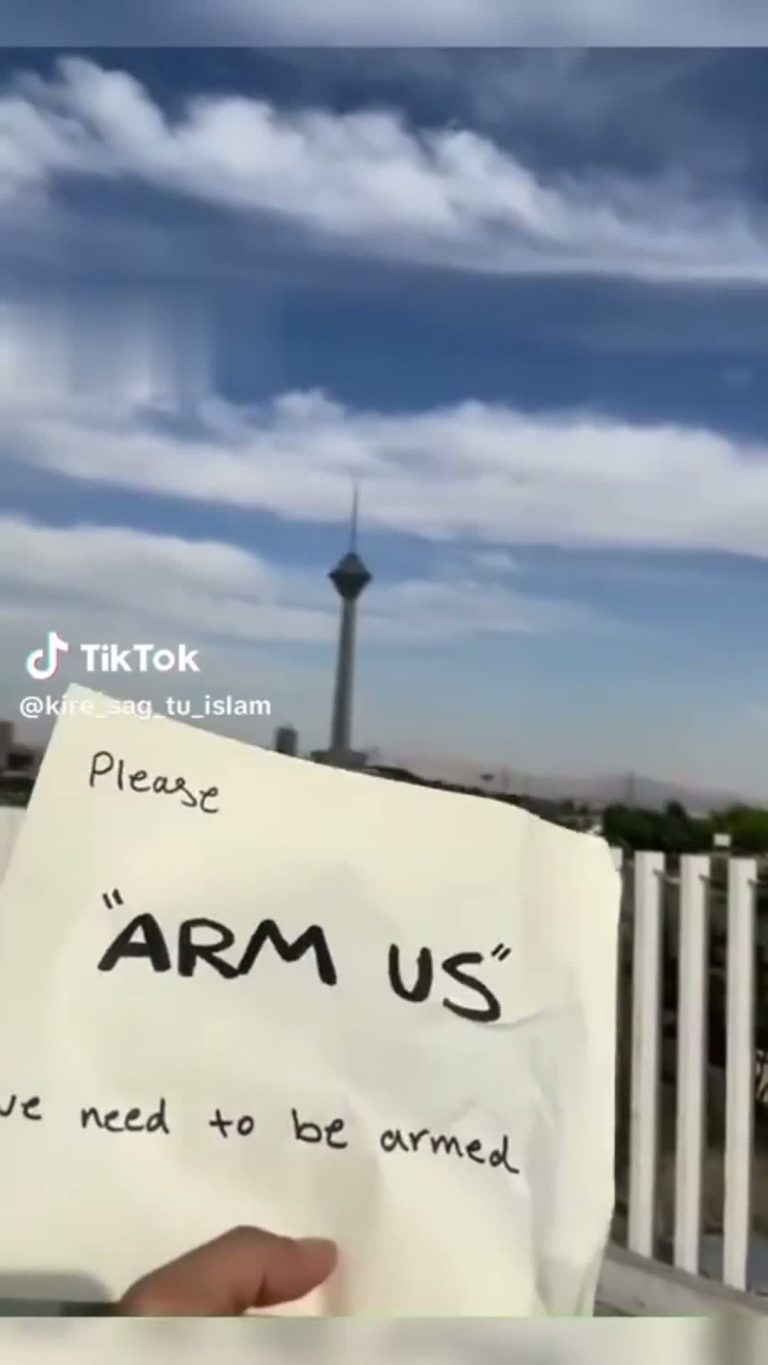
Quarante-sept ans de cris — histoire des soulèvements du peuple contre la République islamique
Quarante-sept ans de cris,
quarante-sept ans de sang
Le 11 février 1979 restera comme l’une des plus monumentales erreurs de l’histoire de l’Iran : une révolution catastrophique — une véritable catastrophe nucléaire à retardement — faite par une minorité d’islamo-gauchistes et confisquée par Zahaak, à l’insu des gauchistes eux-mêmes et devant une majorité silencieuse. Quelques jours plus tard, les premières à comprendre, ce sont les femmes. Depuis, en quarante-sept ans, le régime des mollahs n’a jamais cessé de répondre par les balles, la potence, la prison, la torture et les fosses communes. Mais la Garde Javidan ne date pas d’hier : dès 1979, elle est née au sein du peuple, pour reprendre son Iran.
Les femmes, les premières à dire non
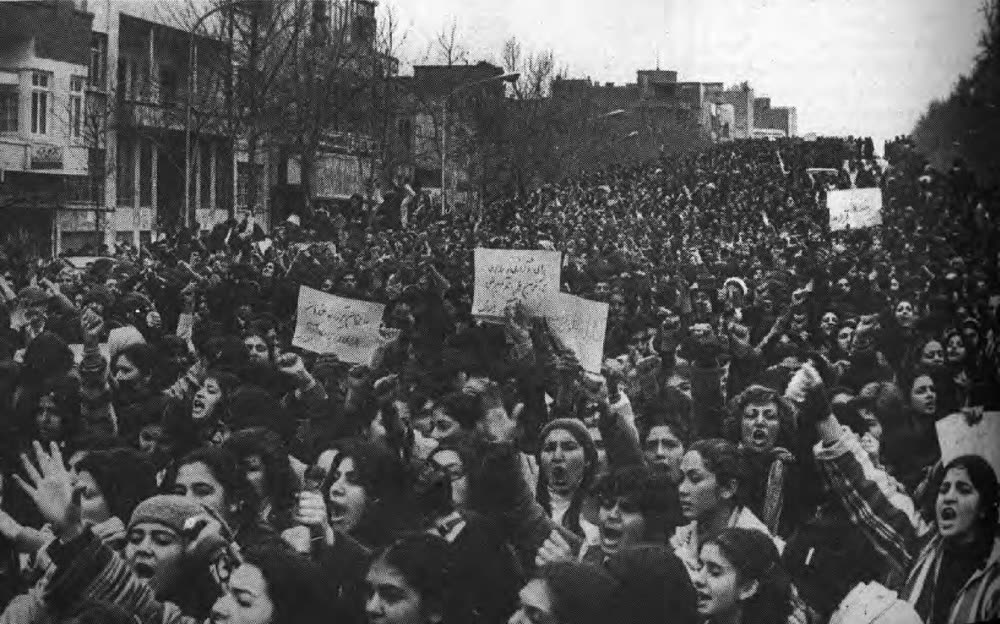
Moins de deux semaines après que Zahaak eut confisqué le pays, ce sont les femmes qui se lèvent les premières. Le 16 Esfand, un discours de Khomeiny dans Ettela’at ordonne : « les femmes peuvent venir travailler, mais pas dévêtues — toutes doivent venir voilées ». Dès le lendemain, médecins, infirmières, avocates, employées et ouvrières sont refoulées de leur travail.
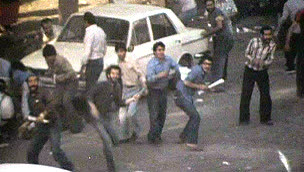
Le 8 mars, Journée internationale de la femme, voilées et dévoilées descendent ensemble dans la rue. Elles sont chargées par les hommes des « Comités de la révolution islamique » qui hurlent « یا روسری یا توسری » — « le foulard ou un coup sur la tête ». Les femmes opposées au voile obligatoire deviennent les toutes premières protestataires de la République islamique.
La région du Kurdistan
L’été suivant, le nouveau pouvoir montre son vrai visage à l’ouest, contre nos compatriotes iraniens kurdes. Le 18 août 1979, Khomeiny lance une fatwa ordonnant de les « écraser ». L’ayatollah Sadegh Khalkhali, à la tête des Tribunaux révolutionnaires, parcourt Paveh, Mariwan, Sanandaj, Saqqez et Mahabad et expédie des procès « d’un jour, parfois de quelques heures ».
C’est le premier massacre administratif du régime : la mécanique des exécutions sommaires, qui ne s’arrêtera plus.
L’écrasement — le 30 Khordad
Après la destitution du président Bani-Sadr, ce sont les Moudjahidine du peuple (MEK) qui appellent à manifester : jusqu’à 500 000 personnes à Téhéran et ailleurs. Que les choses soient dites sans détour : le MEK n’est en rien la Résistance du peuple. C’est une secte islamo-gauchiste, archi-néfaste pour le peuple iranien — sortie de la même matrice idéologique que Zahaak, et qui ira jusqu’à se ranger derrière Saddam Hussein pour bombarder ses propres compatriotes. Personne ne pleure cette secte.
Mais l’Histoire retient une leçon : Zahaak a fini par dévorer jusqu’à ceux qui l’avaient aidé à naître. Le monstre n’épargne personne. La réponse fut immédiate et féroce.
Le massacre secret des prisons
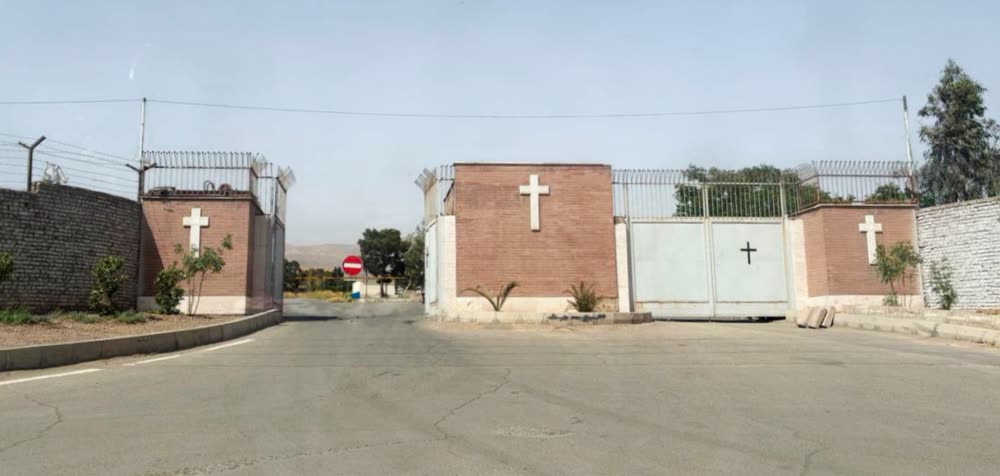
À la fin de la guerre Iran-Irak, entre juillet et septembre 1988, le régime fait disparaître et exécute en secret des milliers de prisonniers politiques déjà condamnés. Une délégation de trois hommes que les détenus surnomment le « Comité de la mort » tranche en quelques minutes. Les condamnés sont pendus, parfois six à la fois, ou fusillés ; leurs corps jetés en fosses communes secrètes comme Khavaran, sans qu’on prévienne les familles.
La révolte des oubliés
La décennie suivante, ce sont les pauvres des périphéries qui explosent : six soulèvements urbains majeurs entre 1991 et 1994 (Téhéran, Chiraz, Arak, Mashhad, Qazvin, Tabriz). À Mashhad (1992), la mort par balle de deux adolescents embrase la ville — le futur président Raïssi ordonnera l’exécution de quatre émeutiers. À Islamshahr (1995), le régime déploie pour la première fois les unités spéciales et des hélicoptères.
Le soulèvement étudiant
La fermeture du journal réformiste Salam embrase la jeunesse. Dans la nuit du 9 juillet 1999, forces de sécurité et miliciens prennent d’assaut la cité universitaire de Téhéran, défenestrent et tabassent les étudiants endormis, dans le plus vaste soulèvement étudiant qu’ait connu le pays. Le visage du jeune Ahmad Batebi brandissant la chemise ensanglantée d’un camarade fera le tour du monde.
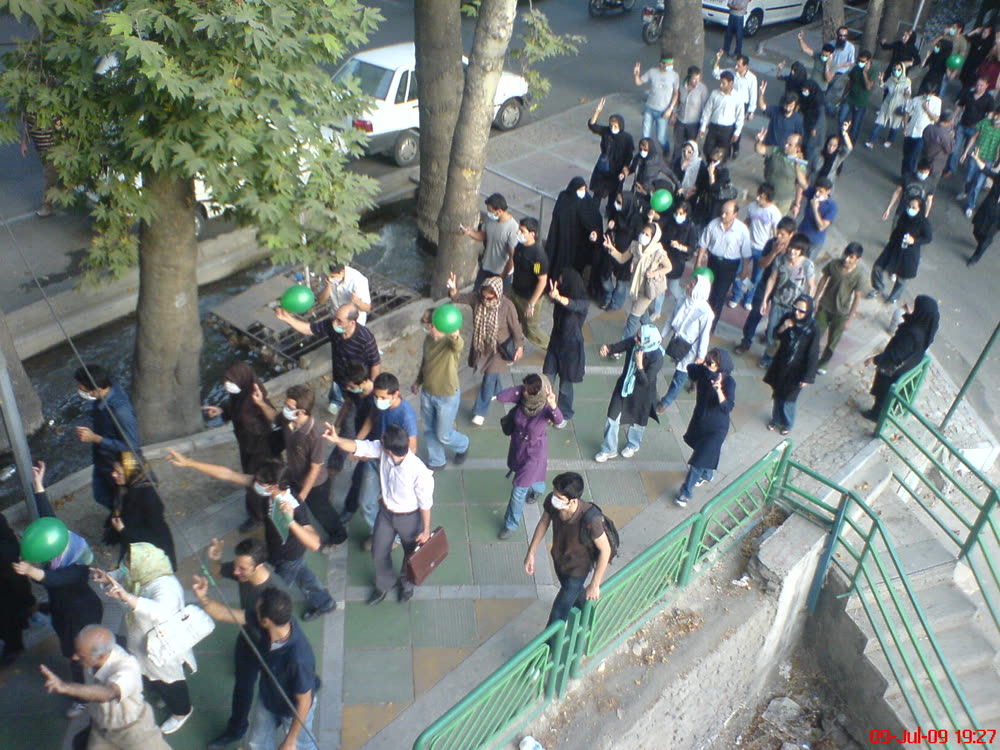
Le Mouvement vert — « Où est mon vote ? »
La réélection truquée d’Ahmadinejad jette dans la rue plus de 500 000 personnes : la plus grande mobilisation depuis 1979. Le 20 juin, Neda Agha-Soltan, 26 ans, est abattue en pleine rue ; la vidéo de son agonie devient l’emblème mondial du soulèvement.
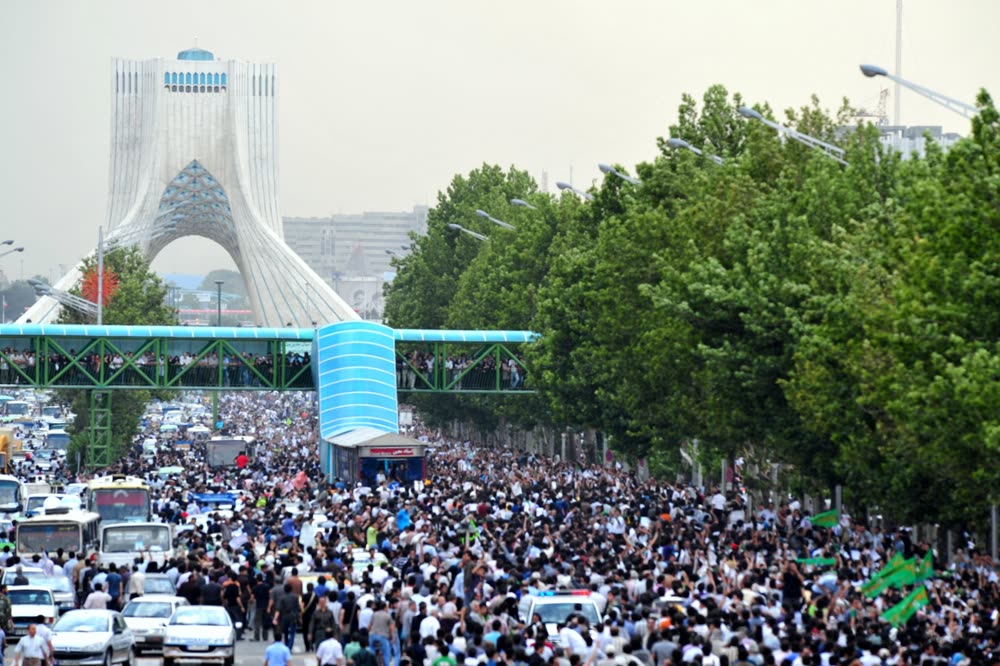
Le Dey — la rue contre tout le système
Parti de Mashhad le 28 décembre 2017, le mouvement gagne ~140 villes en quelques jours. Pour la première fois à cette échelle, on vise le cœur du régime : « Mort au dictateur », « Ni Gaza ni Liban, ma vie pour l’Iran ».
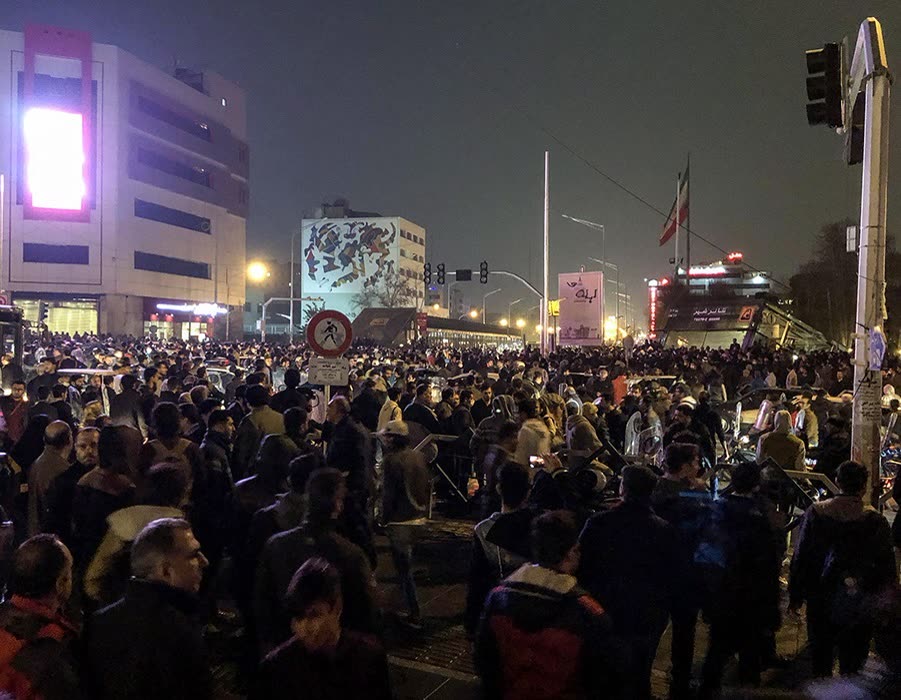
Aban — le novembre sanglant
Le 15 novembre 2019, une hausse brutale du prix de l’essence embrase tout le pays. Pour tuer dans le noir, le régime impose dès le 16 novembre une coupure quasi totale d’Internet.
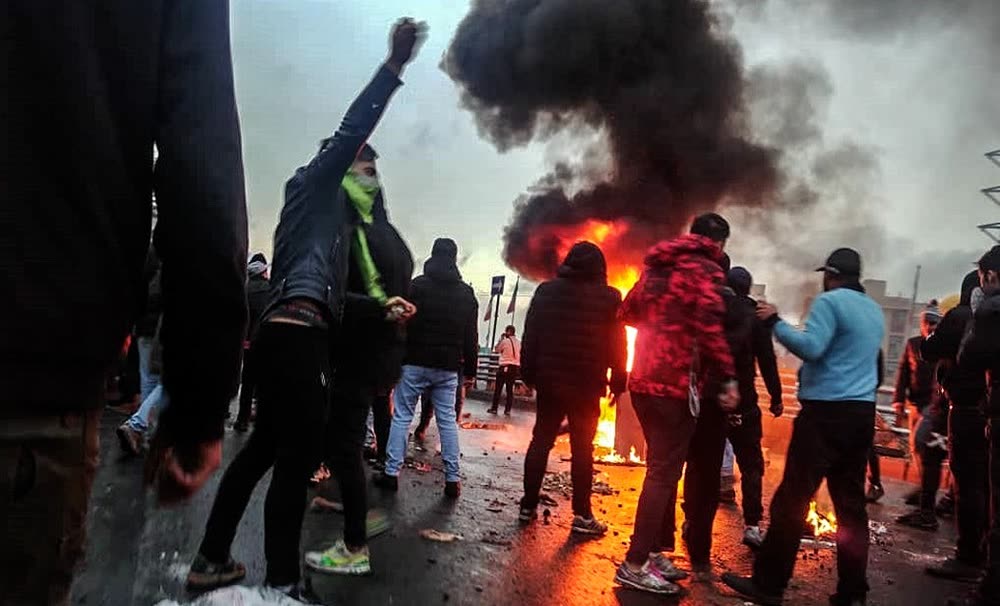
Le vol PS752 — le mensonge de trop
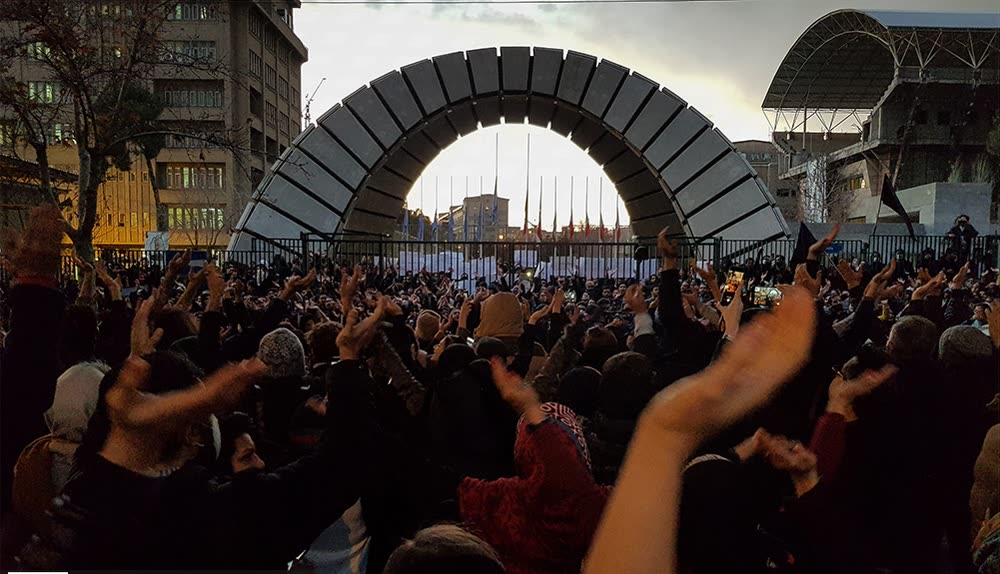
Le 8 janvier 2020, les Gardiens de la révolution abattent au missile le vol PS752 : 176 personnes tuées. Trois jours de déni, puis l’aveu. La rue repart — « Mort au dictateur », « Notre ennemi est ici, pas l’Amérique ».
La soif du Khouzestan
Dans une province riche en pétrole mais asséchée, des dizaines de villes du Khouzestan se soulèvent à partir du 15 juillet 2021 ; la révolte gagne Ispahan, le Lorestan, l’Azerbaïdjan, Téhéran. Les forces de sécurité tirent à balles réelles sur des gens qui réclamaient de l’eau.
Femme, Vie, Liberté — Jin, Jiyan, Azadî
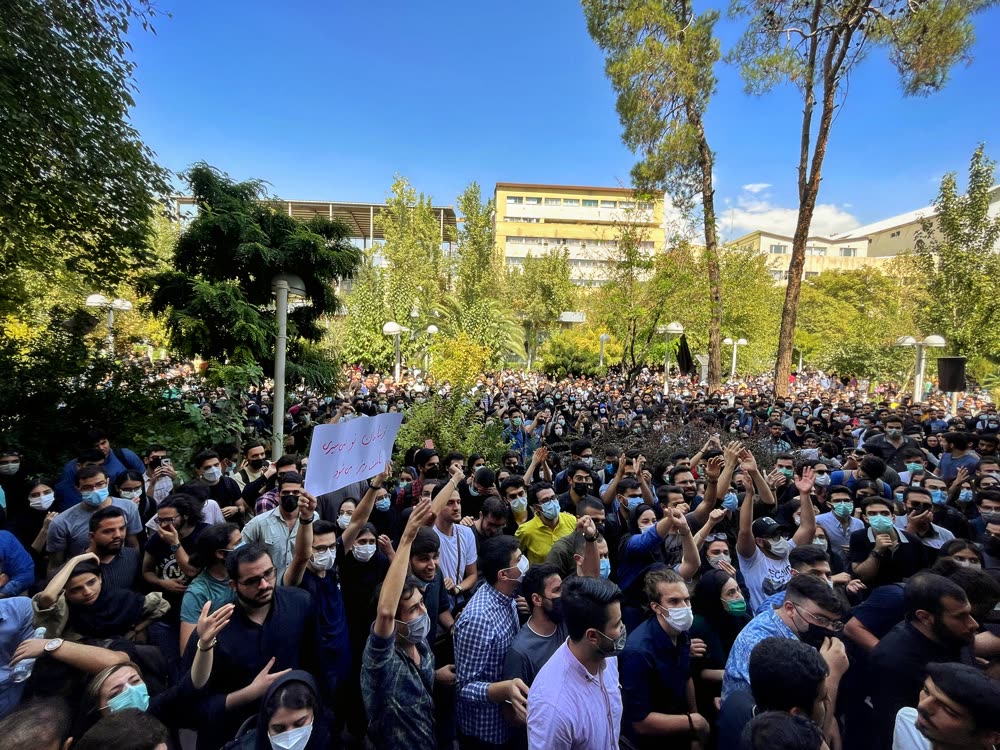
Le 16 septembre 2022, Jina Mahsa Amini, 22 ans, meurt en garde à vue après son arrestation par la « police des mœurs ». Sa mort déclenche le plus vaste soulèvement de l’histoire de la République islamique, dans les 31 provinces, mené par les femmes et la jeunesse.
L’impunité érigée en système
Faute d’avoir brisé la rue, le régime se venge dans les prétoires : dix manifestants au moins exécutés depuis décembre 2022 — dont Reza Rasaei, pendu en secret le 6 août 2024. En avril 2024, le « Plan Noor » relance la traque des femmes dévoilées : ~500 arrestations dès le premier jour.
Le chapitre que nous écrivons
Après la Guerre des Douze Jours (juin 2025) et l’effondrement du mythe de l’invincibilité du régime, la peur a changé de camp. De la rue est née la Révolution Lion et Soleil — et, avec elle, son Janvier sanglant. Une nouvelle génération est tombée.
La Garde Javidan porte aujourd’hui leur mémoire — et leur promesse.
Quarante-sept ans, et la même réponse : le plomb contre les mains nues. Mais de 1979 à aujourd’hui, une autre constante traverse ce pays — il se relève toujours. Chaque nom de cette histoire est une promesse.
Sources
- Amnesty International — « Blood-soaked secrets » (massacre de 1988) ; « A Web of Impunity » (Aban 2019) ; Zahedan ; « Femme, Vie, Liberté : deux ans après ».
- HCDH / Mission d’enquête de l’ONU sur l’Iran — communiqué du 13 sept. 2024.
- Human Rights Watch — Khouzestan 2021.
- Iran Human Rights Documentation Center — exécutions de Kurdes, 1979.
- Abdorrahman Boroumand Center — rapport de Geoffrey Robertson QC (massacre de 1988).
- Center for Human Rights in Iran — Kahrizak / Mortazavi (2009).
- Asef Bayat — « Squatters and the State », MERIP (émeutes des années 1990).
- Brookings — 18 Tir 1999.
- Euronews (persan) — « Quatre décennies de répression en Iran » (source apportée par Shima).
Forty-seven years of cries,
forty-seven years of blood
11 February 1979 stands as one of the most monumental mistakes in Iran’s history: a catastrophic revolution — a slow-motion nuclear disaster — made by a minority of Islamo-leftists and seized by Zahaak, behind the leftists’ own backs and before a silent majority. Days later, the first to understand were the women. For forty-seven years since, the mullahs’ regime has answered with bullets, the gallows, prison, torture and mass graves. But the Garde Javidan is not new: as early as 1979 it was born within the people, to take back its Iran.
Women, the first to say no
Less than two weeks after Zahaak seized the country, it was women who rose first. A speech by Khomeini in Ettela’at ordered: « women may come to work, but not unveiled — all must come veiled. » The next day, doctors, nurses, lawyers and workers were turned away from their jobs.
On 8 March, International Women’s Day, veiled and unveiled marched together. They were charged by the men of the « Islamic Revolution Committees » shouting « یا روسری یا توسری » — « the headscarf or a blow to the head. » The women against the compulsory veil became the very first protesters of the Islamic Republic.
The Kurdistan region
The following summer, the new power showed its true face in the west, against our Iranian Kurdish compatriots. On 18 August 1979 Khomeini issued a fatwa ordering them « crushed. » Ayatollah Sadegh Khalkhali, head of the Revolutionary Tribunals, swept through Paveh, Mariwan, Sanandaj, Saqqez and Mahabad with trials lasting « a day, sometimes a matter of hours. »
It was the regime’s first administrative massacre: the machinery of summary executions that would never stop.
The crushing — 30 Khordad
After President Bani-Sadr’s dismissal, it was the People’s Mojahedin (MEK) who called the protests: up to 500,000 people in Tehran and beyond. Let it be said plainly: the MEK is in no way the people’s Resistance. It is an Islamo-leftist sect, deeply harmful to the Iranian people — sprung from the same ideological matrix as Zahaak, and which would side with Saddam Hussein to bomb its own compatriots. No one mourns that sect.
But history holds a lesson: Zahaak ended up devouring even those who had helped it be born. The monster spares no one. The response was immediate and ferocious.
The secret prison massacre
As the Iran-Iraq war ended, between July and September 1988, the regime forcibly disappeared and secretly executed thousands of political prisoners already serving sentences. A three-man panel the prisoners called the « Death Committee » decided in minutes. Victims were hanged — sometimes six at a time — or shot, their bodies thrown into secret mass graves such as Khavaran, families never told.
The revolt of the forgotten
In the next decade the urban poor erupted: six major upheavals between 1991 and 1994 (Tehran, Shiraz, Arak, Mashhad, Qazvin, Tabriz). In Mashhad (1992), two teenagers shot dead set the city ablaze — future president Raisi ordered four rioters executed. In Islamshahr (1995), the regime deployed special units and helicopters for the first time.
The student uprising
The closure of the reformist paper Salam set the youth alight. On the night of 9 July 1999, security forces and militiamen stormed the Tehran university dormitories, throwing students from windows and beating them in their sleep — the largest student uprising the country had seen. The image of young Ahmad Batebi holding a comrade’s bloodied shirt travelled the world.
The Green Movement — « Where is my vote? »
Ahmadinejad’s rigged re-election drove over 500,000 people into the streets: the largest mobilization since 1979. On 20 June, Neda Agha-Soltan, 26, was shot dead in the street; the video of her death became the movement’s global emblem.
Dey — the street against the whole system
Starting in Mashhad on 28 December 2017, the movement reached ~140 cities within days. For the first time at this scale, the target was the heart of the regime: « Death to the dictator, » « Neither Gaza nor Lebanon, my life for Iran. »
Aban — the bloody November
On 15 November 2019, a brutal fuel-price hike set the whole country ablaze. To kill in the dark, the regime imposed a near-total Internet shutdown on 16 November.
Flight PS752 — the lie too far
On 8 January 2020, the Revolutionary Guards shot down flight PS752 with a missile: 176 killed. Three days of denial, then the admission. The streets returned — « Death to the dictator, » « Our enemy is right here, not America. »
Khuzestan’s thirst
In an oil-rich but parched province, dozens of Khuzestan towns rose from 15 July 2021; the revolt reached Isfahan, Lorestan, Azerbaijan, Tehran. Security forces fired live rounds at people demanding only water.
Woman, Life, Freedom — Jin, Jiyan, Azadî
On 16 September 2022, Jina Mahsa Amini, 22, died in custody after her arrest by the « morality police. » Her death triggered the largest uprising in the Islamic Republic’s history, across all 31 provinces, led by women and youth.
Impunity as a system
Unable to break the streets, the regime takes revenge in the courts: at least ten protesters executed since December 2022 — including Reza Rasaei, secretly hanged on 6 August 2024. In April 2024 the « Noor Plan » revived the hunt for unveiled women: ~500 arrests on the first day.
The chapter we are writing
After the Twelve-Day War (June 2025) and the collapse of the myth of the regime’s invincibility, fear changed sides. From the streets was born the Lion and Sun Revolution — and, with it, its Bloody January. A new generation has fallen.
The Garde Javidan now carries their memory — and their promise.
Forty-seven years, and the same answer: lead against bare hands. But from 1979 to today, another constant runs through this country — it always rises again. Every name in this history is a promise.
Sources
- Amnesty International — « Blood-soaked secrets » (massacre de 1988) ; « A Web of Impunity » (Aban 2019) ; Zahedan ; « Femme, Vie, Liberté : deux ans après ».
- HCDH / UN Fact-Finding Mission on Iran — press release, 13 Sept. 2024.
- Human Rights Watch — Khouzestan 2021.
- Iran Human Rights Documentation Center — executions of Kurds, 1979.
- Abdorrahman Boroumand Center — Geoffrey Robertson QC report (1988 massacre).
- Center for Human Rights in Iran — Kahrizak / Mortazavi (2009).
- Asef Bayat — « Squatters and the State », MERIP (1990s riots).
- Brookings — 18 Tir 1999.
- Euronews (persan) — « Quatre décennies de répression en Iran » (source provided by Shima).
چهلوهفت سال فریاد،
چهلوهفت سال خون
۲۲ بهمن ۱۳۵۷ یکی از بزرگترین اشتباهاتِ تاریخ ایران است: یک انقلابِ فاجعهبار — یک فاجعهٔ اتمیِ آهسته — که اقلیتی از اسلامی-چپها رقم زدند و ضحاک آن را، بیخبرِ خودِ چپها و در برابرِ اکثریتی خاموش، ربود. چند روز بعد، نخستین کسانی که فهمیدند، زنان بودند. از آن پس، در چهلوهفت سال، رژیمِ مُلاها همواره با گلوله، چوبهٔ دار، زندان، شکنجه و گورهای دستهجمعی پاسخ داده است. اما گارد جاویدان از دیروز نیست: همان ۱۳۵۷ در دلِ مردم زاده شد تا ایرانش را پس بگیرد.
زنان، نخستین کسانی که «نه» گفتند
کمتر از دو هفته پس از آنکه ضحاک کشور را ربود، این زنان بودند که نخست برخاستند. سخنرانیِ خمینی در روزنامهٔ اطلاعات فرمان داد: «زنان میتوانند سرِ کار بیایند اما نه لخت — همه باید باحجاب بیایند.» فردای آن روز، پزشک و پرستار و وکیل و کارمند و کارگرِ بیحجاب را از کار بازداشتند.
۱۷ اسفند، روزِ جهانیِ زن، باحجاب و بیحجاب با هم به خیابان آمدند. مردانِ «کمیتههای انقلاب اسلامی» با فریادِ «یا روسری یا توسری» به آنان حمله بردند. زنانِ مخالفِ حجاب اجباری نخستین معترضانِ جمهوری اسلامی شدند.
منطقهٔ کردستان
تابستانِ بعد، قدرتِ تازه چهرهٔ واقعیاش را در غرب نشان داد، علیه هممیهنانِ ایرانیِ کردِ ما. در ۲۷ مرداد ۱۳۵۸ خمینی فتوای «درهمکوبیدن» آنان را داد. آیتالله صادق خلخالی، در رأسِ دادگاههای انقلاب، در پاوه و مریوان و سنندج و سقز و مهاباد دادگاههایی «یکروزه، گاه چندساعته» برپا کرد.
این نخستین کشتارِ اداریِ رژیم بود: ماشینِ اعدامهای فوری که دیگر هرگز نایستاد.
سرکوبِ بزرگ — ۳۰ خرداد
پس از برکناریِ بنیصدر، این مجاهدینِ خلق (MEK) بودند که فراخوانِ تظاهرات دادند: تا ۵۰۰٬۰۰۰ تن در تهران و دیگر شهرها. بیپرده بگوییم: مجاهدین بههیچرو مقاومتِ مردم نیست. فرقهای اسلامی-چپ و بینهایت زیانبار برای مردم ایران است — برآمده از همان خمیرمایهٔ فکریِ ضحاک، که تا آنجا پیش رفت که در کنارِ صدام حسین، هممیهنانِ خود را بمباران کرد. کسی برای این فرقه اشک نمیریزد.
اما تاریخ درسی دارد: ضحاک سرانجام حتی کسانی را که به زایشش یاری رسانده بودند بلعید. هیولا به هیچکس رحم نمیکند. پاسخ فوری و درنده بود.
کشتارِ پنهانِ زندانها
در پایانِ جنگِ ایران و عراق، میانِ تیر و شهریورِ ۱۳۶۷، رژیم هزاران زندانیِ سیاسیِ پیشاپیش محکومشده را پنهانی ناپدید و اعدام کرد. هیئتی سهنفره که زندانیان «هیئتِ مرگ» مینامیدند، در چند دقیقه تصمیم میگرفت. محکومان به دار آویخته — گاه ششتن باهم — یا تیرباران شدند؛ پیکرها در گورهای دستهجمعیِ پنهان چون خاوران افکنده شد، بیآنکه به خانوادهها خبر دهند.
شورشِ فراموششدگان
دههٔ بعد، تهیدستانِ حاشیه منفجر شدند: شش شورشِ بزرگِ شهری میانِ ۱۳۷۰ تا ۱۳۷۳ (تهران، شیراز، اراک، مشهد، قزوین، تبریز). در مشهد (۱۳۷۱)، تیرخوردنِ دو نوجوان شهر را به آتش کشید — رئیسیِ بعداً رئیسجمهور، فرمانِ اعدامِ چهار شورشی را داد. در اسلامشهر (۱۳۷۴) رژیم نخستینبار یگانهای ویژه و بالگرد به کار گرفت.
خیزشِ دانشجویی
توقیفِ روزنامهٔ اصلاحطلبِ سلام جوانان را به پا کرد. شبِ ۱۸ تیر ۱۳۷۸، نیروهای امنیتی و شبهنظامیان به کویِ دانشگاهِ تهران یورش بردند و دانشجویانِ خفته را از پنجره پرت و زیرِ مشت و لگد گرفتند — بزرگترین خیزشِ دانشجوییِ تاریخِ کشور. چهرهٔ احمد باطبی با پیراهنِ خونینِ همرزمش جهانی شد.
جنبشِ سبز — «رأیِ من کجاست؟»
انتخابِ دوبارهٔ تقلبیِ احمدینژاد بیش از ۵۰۰٬۰۰۰ تن را به خیابان کشاند: بزرگترین تجمع از ۱۳۵۷. در ۳۰ خرداد، ندا آقاسلطان، ۲۶ ساله، در خیابان به ضربِ گلوله کشته شد؛ ویدئوی جاندادنش نمادِ جهانیِ جنبش شد.
دی — خیابان در برابرِ کلِّ نظام
از مشهد در ۷ دیِ ۱۳۹۶ آغاز شد و در چند روز به حدودِ ۱۴۰ شهر رسید. نخستینبار در این مقیاس، هدف قلبِ نظام بود: «مرگ بر دیکتاتور»، «نه غزه نه لبنان، جانم فدای ایران».
آبانِ خونین
در ۲۴ آبانِ ۱۳۹۸، افزایشِ ناگهانیِ قیمتِ بنزین کشور را به آتش کشید. برای کشتن در تاریکی، رژیم از ۲۵ آبان اینترنت را تقریباً بهکلی قطع کرد.
پروازِ PS752 — دروغی از حد گذشته
در ۱۸ دیِ ۱۳۹۸، سپاهِ پاسداران پروازِ PS752 را با موشک زد: ۱۷۶ کشته. سه روز انکار، سپس اعتراف. خیابان بازگشت — «مرگ بر دیکتاتور»، «دشمنِ ما همینجاست، نه آمریکا».
تشنگیِ خوزستان
در استانی نفتخیز اما خشک، دهها شهرِ خوزستان از ۲۴ تیرِ ۱۴۰۰ به پا خاستند؛ شورش به اصفهان، لرستان، آذربایجان و تهران رسید. نیروهای امنیتی به مردمی که تنها آب میخواستند گلولهٔ جنگی شلیک کردند.
زن، زندگی، آزادی
در ۲۵ شهریورِ ۱۴۰۱، ژینا مهسا امینی، ۲۲ ساله، پس از بازداشت بهدستِ «گشتِ ارشاد» در بازداشت جان داد. مرگش بزرگترین خیزشِ تاریخِ جمهوری اسلامی را در هر ۳۱ استان برانگیخت، به رهبریِ زنان و جوانان.
بیکیفری بهمثابهِ نظام
رژیم که نتوانست خیابان را بشکند، در دادگاهها انتقام میگیرد: دستِکم ده معترض اعدام شدهاند از آذرِ ۱۴۰۱ — از جمله رضا رسایی که در ۱۶ مردادِ ۱۴۰۳ پنهانی به دار آویخته شد. در فروردینِ ۱۴۰۳، «طرحِ نور» شکارِ زنانِ بیحجاب را از سر گرفت: حدودِ ۵۰۰ بازداشت در روزِ نخست.
فصلی که مینویسیم
پس از جنگِ دوازدهروزه (خردادِ ۱۴۰۴) و فروریختنِ افسانهٔ شکستناپذیریِ رژیم، ترس جا عوض کرد. از خیابان انقلابِ شیر و خورشید زاده شد — و با آن، دی/بهمنِ خونینش. نسلی تازه بر خاک افتاد.
گارد جاویدان امروز حافظ یاد و عهدِ آنان است.
چهلوهفت سال، و همان پاسخ: سرب در برابرِ دستانِ خالی. اما از ۱۳۵۷ تا امروز، ثابتِ دیگری در این سرزمین هست — همیشه دوباره برمیخیزد. هر نامِ این تاریخ یک عهد است.
منابع
- Amnesty International — « Blood-soaked secrets » (massacre de 1988) ; « A Web of Impunity » (Aban 2019) ; Zahedan ; « Femme, Vie, Liberté : deux ans après ».
- HCDH / Mission d’enquête de l’ONU sur l’Iran — communiqué du 13 sept. 2024.
- Human Rights Watch — Khouzestan 2021.
- Iran Human Rights Documentation Center — exécutions de Kurdes, 1979.
- Abdorrahman Boroumand Center — rapport de Geoffrey Robertson QC (massacre de 1988).
- Center for Human Rights in Iran — Kahrizak / Mortazavi (2009).
- Asef Bayat — « Squatters and the State », MERIP (émeutes des années 1990).
- Brookings — 18 Tir 1999.
- Euronews (persan) — « Quatre décennies de répression en Iran » (منبعِ ارائهشده توسط شیما).