Ali-Sina Mostafavi, un sommet d’Iran Zamin
Javid Nâm · Ali-Sina Mostafavi · 38 ans
Ali-Sina Mostafavi, un sommet d’Iran Zamin
On n’exécute pas une montagne.
Par Ashk-7000
Ali-Sina Mostafavi, a summit of Iran Zamin
No one can execute a mountain.
By Ashk-7000
علیسینا مصطفوی، قلهای از ایرانزمین
کوه را نمیتوان اعدام کرد.
نوشتهٔ اشک ۷۰۰۰
Le marcheur des cimes
Il était de Bam, où la citadelle d’argile garde la mémoire des siècles,
et il montait, toujours plus haut, là où l’air se fait mince et la lumière entière.
Les montagnes du pays connaissaient ses pas.
Il était alpiniste, il était musicien :
ses mains savaient la roche, et les cordes qui chantent.
En janvier, la rue s’est levée, et il était de ceux de janvier.
Puis un matin d’avril, à l’aube, ils sont entrés chez lui.
Ils ont frappé l’homme qui portait le ciel sur les épaules,
et ils ont mis les cimes au cachot.
Près de six mois de murs. Un juge. Une Cour qui confirme.
Ils l’ont nommé « ennemi de Dieu », lui qui vivait si près du ciel.
Des aveux arrachés sous la torture.
Pas une preuve qu’on puisse vérifier ; pas un mot de sa défense.
Puis la cellule d’isolement, et l’appel aux siens :
venez, une dernière fois.
Le 14 octobre, le régime des mollahs a annoncé l’avoir exécuté.
Il avait trente-huit ans.
Mais on n’exécute pas une montagne.
Ô vous, les mollahs de la nuit, vous croyiez éteindre un homme :
vous avez allumé un sommet.
Il est retrouvé.
— Quoi ? — Le sommet.
C’est l’homme allé
avec le soleil.
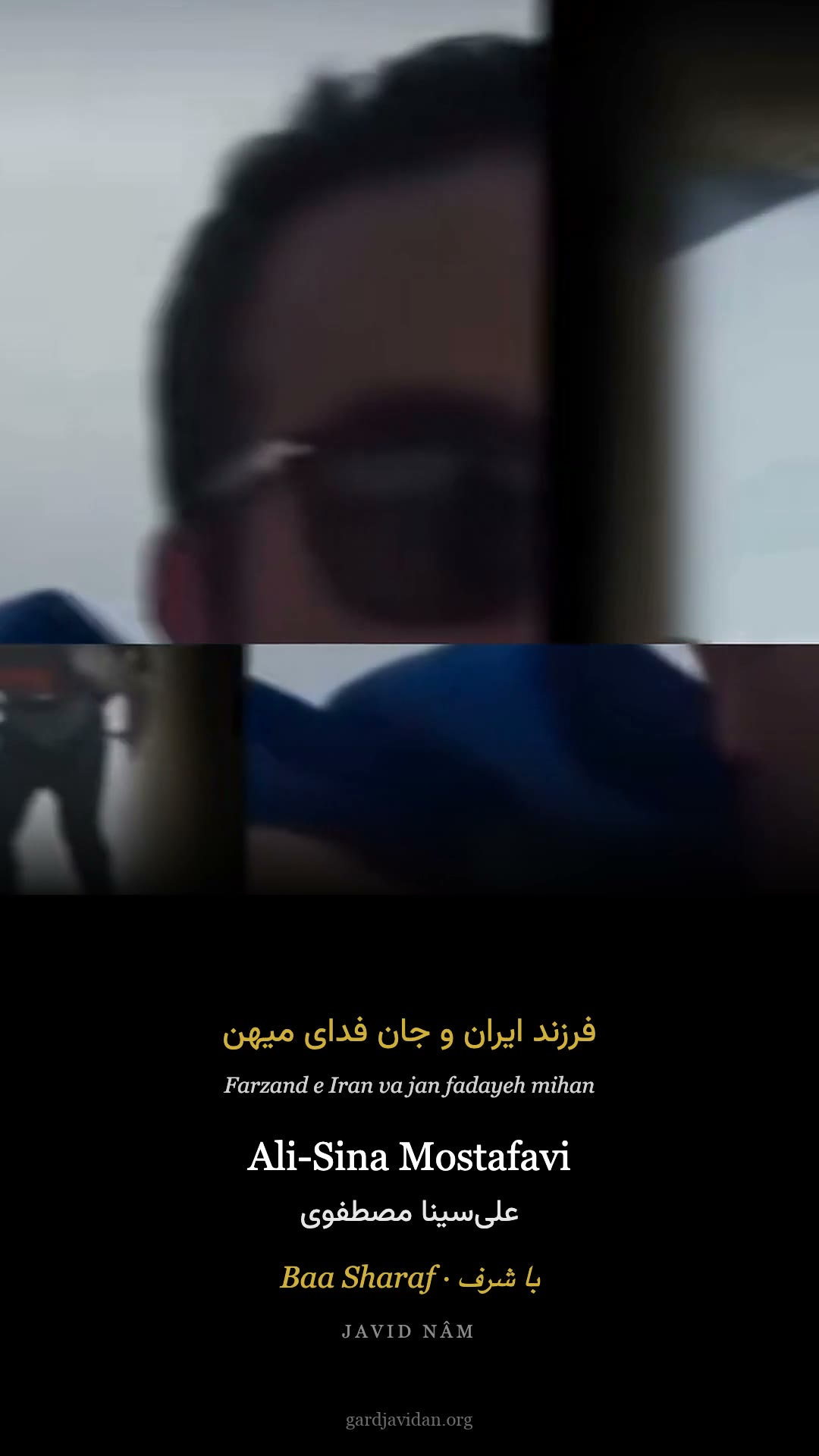
Farzand e Iran va jan fadayeh mihan
فرزند ایران و جان فدای میهن
Ali-Sina Mostafavi, 38 ans — Baa Sharaf
Il rejoint les Javid Nâm, ceux dont le nom ne meurt jamais.
Le dernier quatrain répond au poème « L’Éternité » d’Arthur Rimbaud.
The walker of the heights
He came from Bam, where the citadel of clay keeps the memory of centuries,
and he climbed, ever higher, where the air grows thin and the light is whole.
The mountains of the land knew his steps.
He was a mountaineer, he was a musician:
his hands knew the rock, and the strings that sing.
In January the streets rose up, and he was one of January’s own.
Then one April morning, at dawn, they came into his home.
They beat the man who carried the sky upon his shoulders,
and they locked the summits in a cell.
Nearly six months of walls. A judge. A court that confirms.
They named him an « enemy of God », he who lived so close to heaven.
Confessions wrung from him under torture.
Not one proof that anyone could verify; not one word of his defence.
Then solitary confinement, and the call to his family:
come, one last time.
On October 14, the mullahs’ regime announced it had executed him.
He was thirty-eight.
But no one can execute a mountain.
O you, mullahs of the night, you thought you were putting out a man:
you have set a summit alight.
He is found again.
— What? — The summit.
It is the man gone off
with the sun.
Farzand e Iran va jan fadayeh mihan
فرزند ایران و جان فدای میهن
Ali-Sina Mostafavi, 38 — Baa Sharaf
He joins the Javid Nâm, those whose name never dies.
The final quatrain answers Arthur Rimbaud’s poem « Eternity ».
رهروِ قلهها
از بم بود، از دیارِ ارگِ خشتی که یادِ قرنها را در سینه نگاه داشته است؛
و بالا میرفت، همواره بالاتر، آنجا که هوا رقیق میشود و نور تمام.
کوههای این سرزمین گامهایش را میشناختند.
کوهنورد بود، نوازنده بود:
دستانش سنگ را میشناخت، و سیمهایی را که آواز میخوانند.
در دیماه، خیابان برخاست، و او از مردانِ دی بود.
سپس، بامدادی در اردیبهشت، سپیدهدم، به خانهاش ریختند.
مردی را زدند که آسمان را بر دوش میکشید،
و قلهها را به زندان بردند.
نزدیک به شش ماه دیوار. یک قاضی. دیوانی که حکم را تأیید میکند.
او را «محارب»، دشمنِ خدا، خواندند؛ او را که چنین نزدیکِ آسمان میزیست.
اعترافاتی که زیر شکنجه از او گرفتند.
نه یک مدرکِ راستیآزمودنی؛ نه یک کلمه از دفاعش.
سپس سلولِ انفرادی، و پیامی به خانوادهاش:
بیایید، برای آخرین بار.
در ۲۲ مهر، رژیم آخوندها اعلام کرد که او را اعدام کرده است.
سیوهشت سال داشت.
اما کوه را نمیتوان اعدام کرد.
ای آخوندهای شب، پنداشتید مردی را خاموش میکنید:
قلهای را برافروختید.
بازیافته شد.
— چه؟ — قله.
مردی است که رفت
با خورشید.
فرزند ایران و جان فدای میهن
علیسینا مصطفوی، ۳۸ ساله — با شرف
او به جاویدنامان پیوست.
چهارپارهٔ پایانی پاسخی است به شعر «جاودانگی» آرتور رمبو.