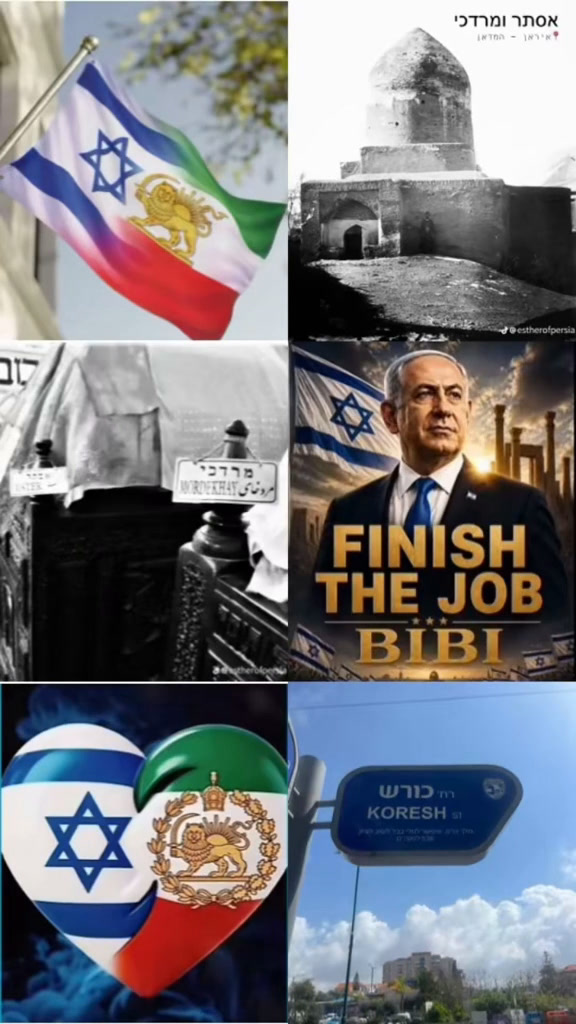
Israël éternel au Moyen-Orient
Cyrus & David Accords · Histoire · Légitimité
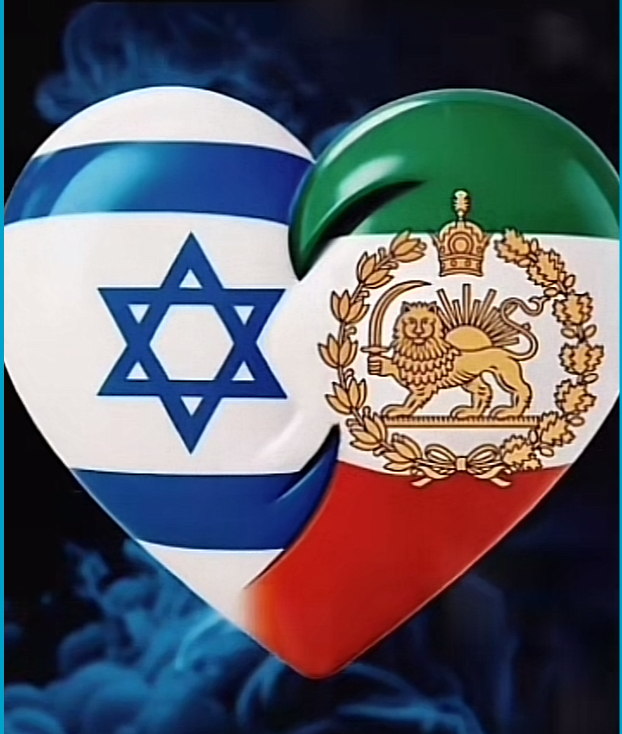
Israël et l’Iran de Cyrus — deux des plus anciennes nations du monde · ישראל ואיראן · ایران و اسرائیل
Israël éternel au Moyen-Orient
La légitimité millénaire du retour du peuple juif sur sa terre — démonstration en faits.
On peut contester une opinion ; on ne conteste pas trois mille ans de faits. Voici, pas à pas, la démonstration d’une vérité simple : le peuple juif n’est pas un intrus sur cette terre — il y est né, en fut chassé, l’a pleurée vingt siècles durant, et y est revenu chez lui.
I. Trois mille ans de racines
Le peuple juif n’est pas venu d’ailleurs : il est issu de cette terre. Dès ~1208 av. J.-C., la stèle de Mérenptah nomme déjà « Israël » comme un peuple établi en Canaan. Vers l’an 1000, David fait de Jérusalem sa capitale ; la stèle de Tel Dan grave le nom de la « Maison de David ». S’élèvent les royaumes d’Israël et de Juda, le Premier Temple — détruit par Babylone en 586 — puis le Second Temple, détruit par Rome en 70. À travers tous les empires, une présence juive ne cessa jamais. Aucun autre peuple n’a fait de cette terre son foyer national depuis trois millénaires.
II. Cyrus le Grand — la première main tendue
En 586 av. J.-C., Babylone détruit le Premier Temple et déporte les Juifs. Puis vient Cyrus : en 539, le roi perse prend Babylone et, au lieu d’asservir, libère. Par son édit, il autorise les Juifs à retourner à Jérusalem et à rebâtir leur Temple ; il leur rend les vases sacrés. La Bible lui réserve un titre qu’elle n’accorde à aucun autre étranger : mashiah, « l’oint » du Seigneur (Isaïe 45).
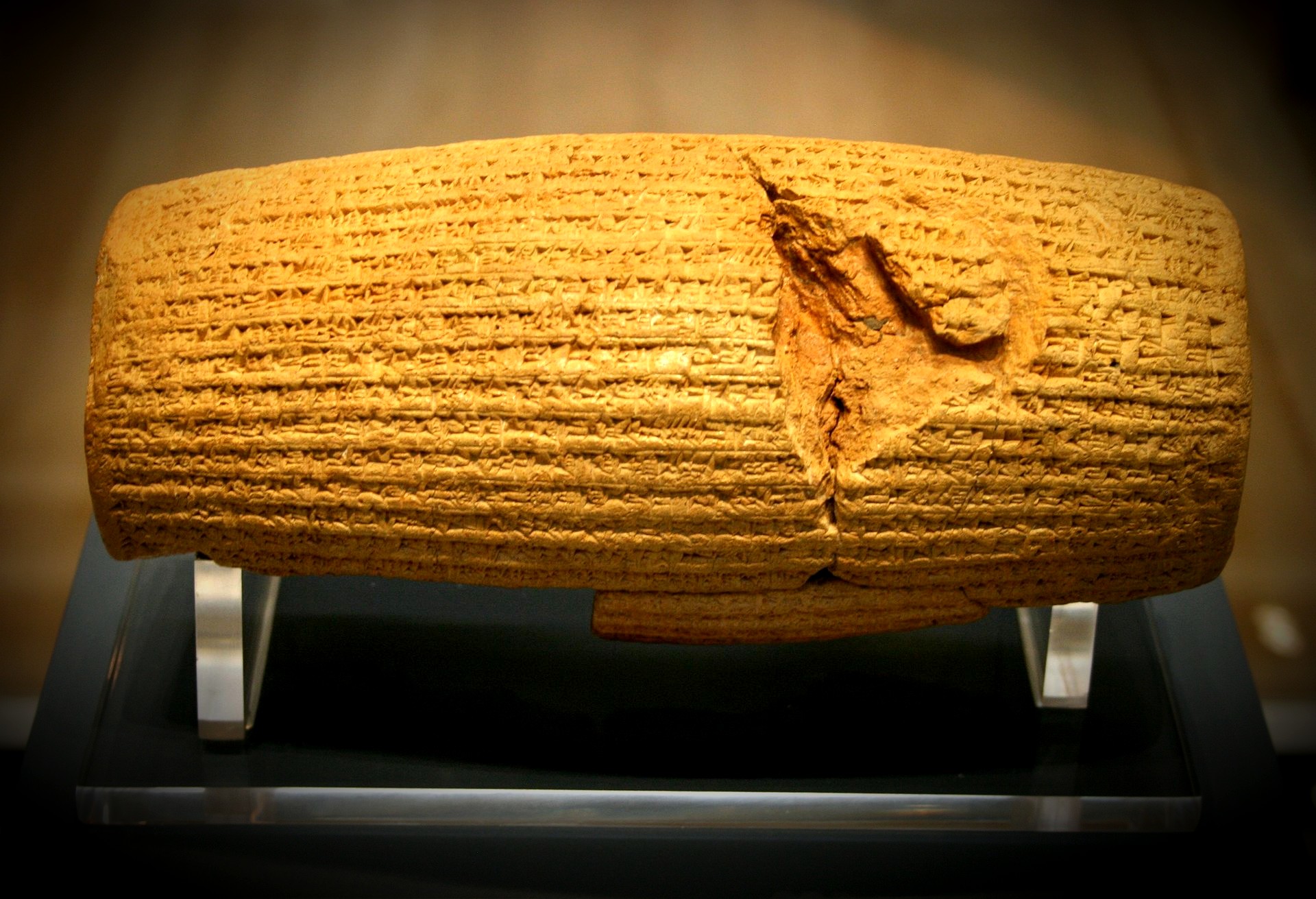
La première restauration d’Israël sur sa terre fut donc l’œuvre d’un roi perse. L’Iran et Israël ne sont pas nés ennemis : ils sont nés alliés.
III. Le crime du nom
En 135, après la révolte de Bar-Kokhba, l’empereur Hadrien écrase la Judée et veut l’effacer : Jérusalem rebâtie en colonie païenne (Aelia Capitolina), interdite aux Juifs ; Torah, shabbat, circoncision proscrits. Puis il efface le nom même de la terre : « Judée » disparaît, remplacée par Syria Palaestina — du nom des Philistins, Peuple de la Mer disparu mille ans plus tôt, ennemi biblique d’Israël. Nommer le pays du vaincu d’après ses ennemis effacés : l’effacement fait géographie. (Le mot « Palaistinê » existait déjà chez Hérodote ; mais c’est Hadrien qui en fit l’instrument du remplacement de « Judée ».) On ne tue pas un nom gravé dans les prières : chaque année, les Juifs murmuraient « l’an prochain à Jérusalem ». Rome put rayer le mot des cartes, jamais des cœurs.
IV. Deux mille ans d’exils — jusqu’à la Shoah
Dispersé, sans État, sans armée, le peuple juif résista par la fidélité, non par la conquête. Pour prix : 1096, massacres des croisés ; 1290, expulsion d’Angleterre ; 1348, communautés brûlées (peste noire) ; 1492, décret de l’Alhambra ; 1648, massacres de Khmelnytsky ; 1881-1921, pogroms de l’Empire russe. Puis l’abîme : la Shoah — six millions de Juifs assassinés (1941-1945), les deux tiers du judaïsme européen, dont un million et demi d’enfants.
Un peuple sans terre est un peuple que l’on peut traquer sans fin — et, à la fin, tenter d’exterminer.
V. La terre aux mille maîtres
Byzantins, puis en 636 la conquête arabo-musulmane (Yarmouk) et des siècles d’arabisation ; Croisés, Mamelouks, et quatre siècles ottomans (1517-1917) — turcs, non arabes. La présence arabo-musulmane y est elle-même le fruit d’une conquête ; nul n’y détient un titre primordial — sauf le peuple dont le nom y est gravé depuis trois mille ans.
VI. Le grand partage qu’on oublie
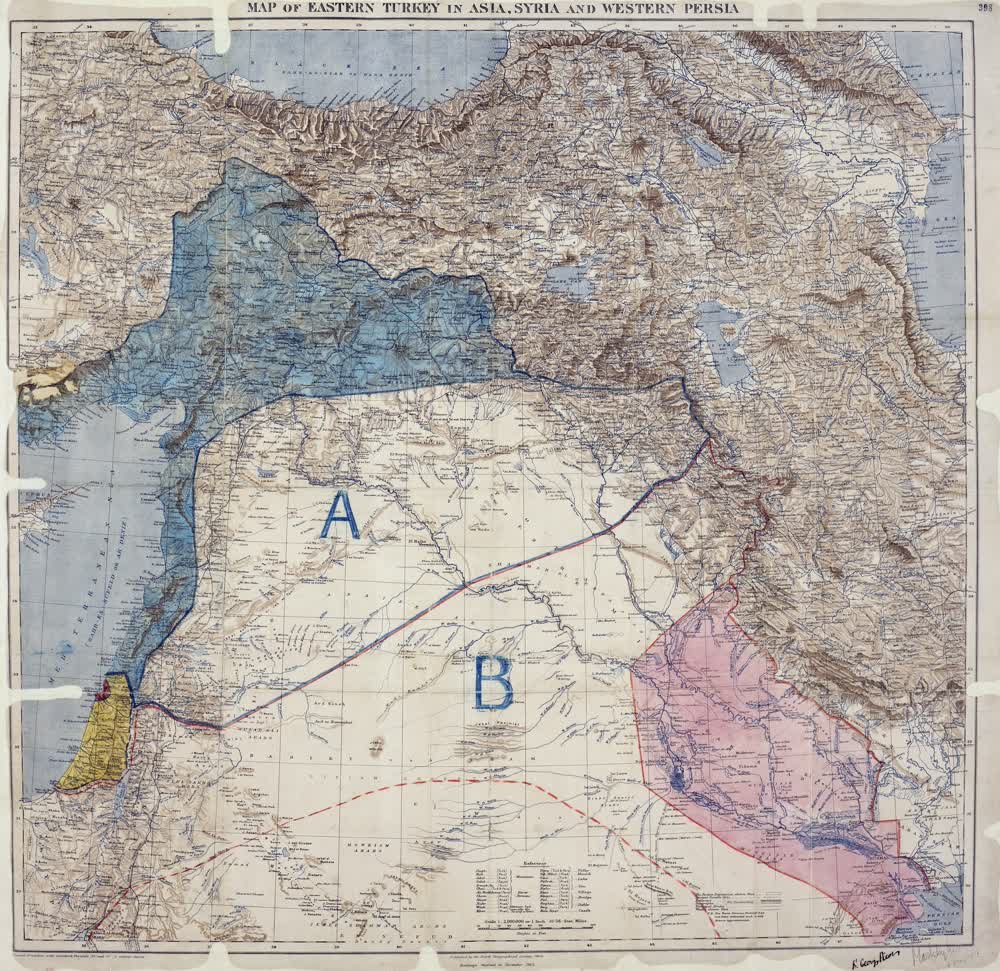
1916 — Sykes-Picot : Britanniques et Français se partagent en secret les provinces arabes ottomanes ; à San Remo (1920), des crayons européens dessinent Irak, Syrie, Liban, Jordanie.
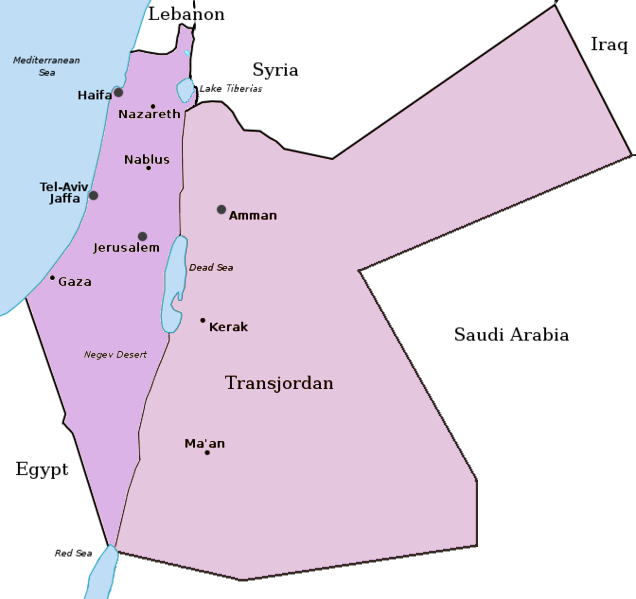
1921-1922 : le Mandat (~120 000 km²) couvrait les deux rives du Jourdain. Churchill détache l’est pour en faire la Transjordanie — 77 à 80 % du Mandat, foyer juif exclu (art. 25, SDN 1922). Un État arabe fut créé d’abord, sur la part du lion.
1947 : sur les ~20 % restants, la résolution 181 de l’ONU propose un partage entre État juif et État arabe.
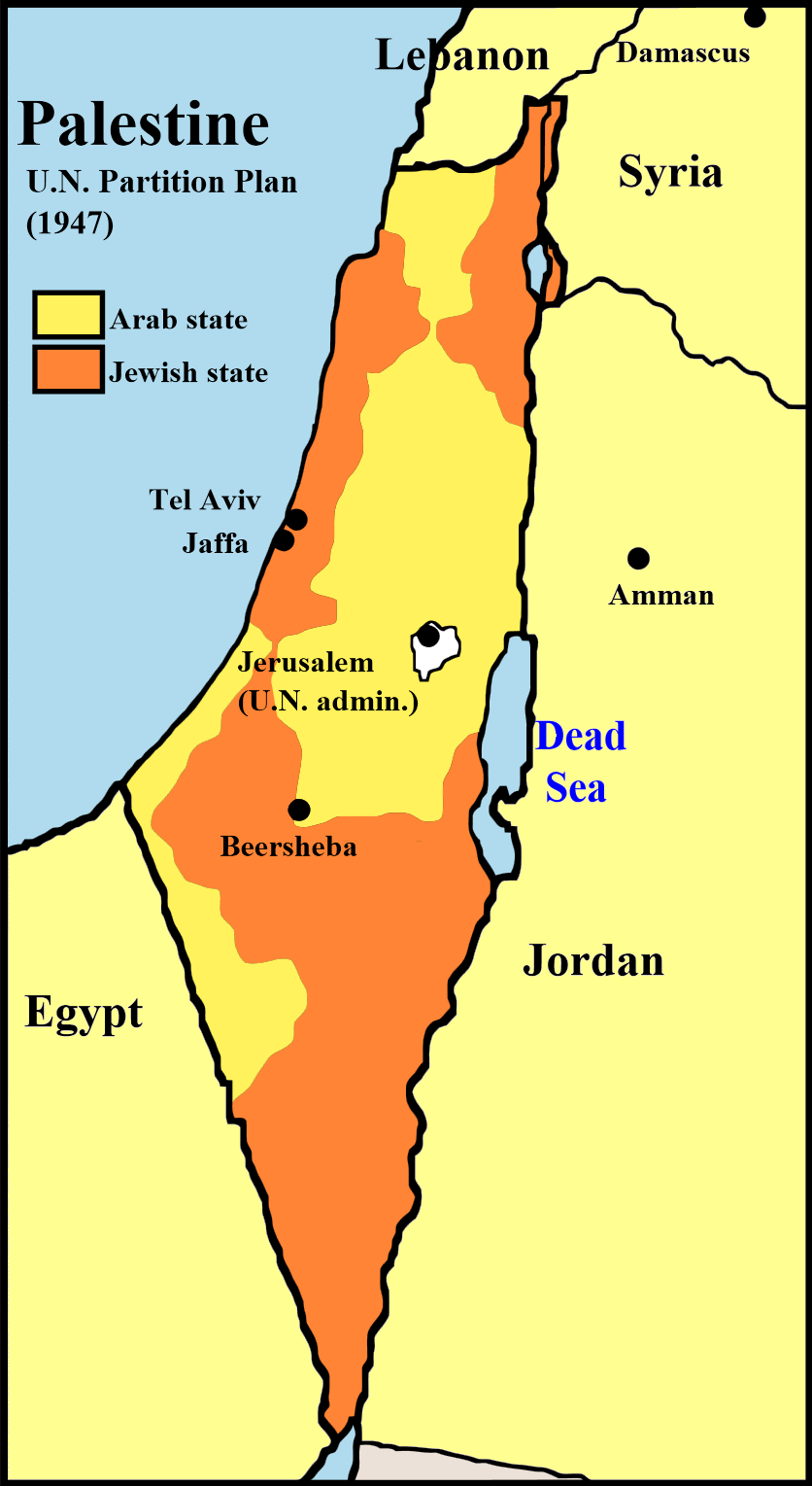
Les Juifs acceptèrent. La direction arabe refusa — et envahit.
VII. L’antisémitisme érigé en doctrine
Le Hamas est antisémite sans l’ombre d’un doute : sa charte de 1988 reprend les faux antisémites et appelle, hadith à l’appui, au meurtre des juifs. La République islamique a fait de « Mort à Israël » un slogan d’État. Ces mouvements radicalisent des passages des textes hostiles aux juifs en projet d’extermination ; Israël, État grand comme une région française, est encerclé. Mais un peuple n’est pas son régime : là où des Arabes ont choisi la paix (accords d’Abraham), la haine recule. L’ennemi ne fut jamais une foi : c’est l’islamisme politique.
VIII. 1948 — le retour et le péché originel
Le 29 novembre 1947, l’ONU vote le partage ; les États arabes votent contre et perdent. Les Juifs acceptent. Le 14 mai 1948, Israël renaît. Dès le lendemain, cinq armées arabes envahissent. Le péché originel, c’est ce refus : le drame des Arabes de Palestine — l’exode, les camps — est né de cette guerre que leurs dirigeants choisirent contre la coexistence.
IX. Pourquoi attaquer, possédant déjà presque tout ?
En 1948, le monde arabe détenait déjà près de neuf dixièmes de la Palestine mandataire. Les Juifs n’avaient qu’un confetti, en partie désertique. Pourquoi attaquer ? Pas par manque de terre — mais par refus qu’existe, fût-ce sur un mouchoir de poche, un État juif libre. Sans ce « non », ni guerre, ni exode, ni camps. Tout est sorti de ce refus.
X. Aujourd’hui : les Mollahs, fossoyeurs de Cyrus
La terre qui rendit Israël à lui-même — la Perse de Cyrus — est tenue par un régime qui a juré sa perte. Dès 1979, Khomeini qualifie Israël de « tumeur cancéreuse » et institue la « Journée Qods » ; Khamenei répète qu’elle « doit être extirpée » ; Ahmadinejad réclame qu’Israël « disparaisse de la page du temps » (2005) et nie la Shoah (2006).
Quarante-sept ans durant, ce régime a menacé d’effacer une seconde fois la terre d’Israël — comme Hadrien voulut en effacer le nom. Mais les Mollahs ne sont pas l’Iran. L’Iran, c’est Cyrus.
Deux peuples que l’Histoire fit alliés et qu’un régime voulut faire ennemis.
Israël a le droit d’exister. Et l’Iran libre sera, de nouveau, son ami.
— Ashk-7000 & Albator · Garde Javidan
Eternal Israel in the Middle East
The millennial legitimacy of the Jewish people’s return to its land — a demonstration in facts.
One may dispute an opinion; one does not dispute three thousand years of facts. Here, step by step, is the proof of a simple truth: the Jewish people is not an intruder on this land — it was born there, was driven out, wept for it for twenty centuries, and has come back home.
I. Three thousand years of roots
The Jewish people did not come from elsewhere: it sprang from this land. As early as ~1208 BCE, the Merneptah Stele already names « Israel » as a people settled in Canaan. Around 1000 BCE, David makes Jerusalem his capital; the Tel Dan Stele carves the name of the « House of David. » The kingdoms of Israel and Judah arise, the First Temple — destroyed by Babylon in 586 — then the Second Temple, destroyed by Rome in 70 CE. Through every empire, a Jewish presence never wholly ceased. No other people has made this land its national home for three thousand years.
II. Cyrus the Great — the first hand extended
In 586 BCE, Babylon destroys the First Temple and deports the Jews. Then comes Cyrus: in 539, the Persian king takes Babylon and, instead of enslaving, liberates. By his edict he allows the Jews to return to Jerusalem and rebuild their Temple; he returns the sacred vessels. The Bible grants him a title given to no other foreigner: mashiach, « the anointed » of the Lord (Isaiah 45).
The first restoration of Israel upon its land was thus the work of a Persian king. Iran and Israel were not born enemies: they were born allies.
III. The crime of the name
In 135 CE, after the Bar Kokhba revolt, Emperor Hadrian crushes Judaea and seeks to erase it: Jerusalem rebuilt as a pagan colony (Aelia Capitolina), barred to Jews; Torah, Sabbath and circumcision forbidden. Then he erases the very name of the land: « Judaea » vanishes, replaced by Syria Palaestina — after the Philistines, a Sea People extinct a thousand years earlier, the biblical enemy of Israel. To name the vanquished land after its erased enemies: erasure made geography. (The word « Palaistinē » already appears in Herodotus; but it was Hadrian who turned it into the instrument that replaced « Judaea. ») One cannot kill a name engraved in a people’s prayers: every year the Jews murmured « next year in Jerusalem. » Rome could strike the word from the maps — never from their hearts.
IV. Two thousand years of exile — to the Shoah
Scattered, without state or army, the Jewish people resisted through faithfulness, not conquest. The price: 1096, the Crusader massacres; 1290, expulsion from England; 1348, communities burned (Black Death); 1492, the Alhambra Decree; 1648, the Khmelnytsky massacres; 1881-1921, the pogroms of the Russian Empire. Then the abyss: the Shoah — six million Jews murdered (1941-1945), two-thirds of European Jewry, a million and a half of them children.
A people without a land is a people that can be hunted without end — and, in the end, marked for extermination.
V. The land of a thousand masters
Byzantines, then in 636 the Arab-Muslim conquest (Yarmouk) and centuries of Arabization; Crusaders, Mamluks, and four Ottoman centuries (1517-1917) — Turkish, not Arab. The Arab-Muslim presence is itself the fruit of a conquest; none holds a primordial title there — save the people whose name has been engraved upon it for three thousand years.
VI. The great partition we forget
1916 — Sykes-Picot: Britain and France secretly divide the Ottoman Arab provinces; at San Remo (1920), European pencils draw Iraq, Syria, Lebanon, Jordan.
1921-1922: the Mandate (~120,000 km²) spanned both banks of the Jordan. Churchill detaches the east to form Transjordan — 77 to 80 % of the Mandate, the Jewish home excluded (Art. 25, League of Nations 1922). An Arab state was created first, on the lion’s share.
1947: on the remaining ~20 %, UN Resolution 181 proposes a partition between a Jewish and an Arab state.
The Jews accepted. The Arab leadership refused — and invaded.
VII. Antisemitism made doctrine
Hamas is antisemitic beyond doubt: its 1988 charter recycles antisemitic forgeries and calls, hadith in hand, for the killing of Jews. The Islamic Republic made « Death to Israel » a state slogan. These movements radicalize passages of the texts hostile to Jews into a project of extermination; Israel, a state the size of a French region, is encircled. But a people is not its regime: where Arabs have chosen peace (the Abraham Accords), hatred recedes. The enemy was never a faith — it is political Islamism.
VIII. 1948 — the return and the original sin
On 29 November 1947, the UN votes the partition; the Arab states vote against and lose. The Jews accept. On 14 May 1948, Israel is reborn. The next day, five Arab armies invade. The original sin is that refusal: the tragedy of the Palestinian Arabs — the exodus, the camps — was born of the war their own leaders chose against coexistence.
IX. Why attack, already holding nearly everything?
In 1948 the Arab world already held nearly nine-tenths of Mandatory Palestine. The Jews had but a confetti, much of it desert. Why attack? Not for lack of land — but in refusal that there exist, even on a handkerchief of earth, a free Jewish state. Without that « no, » no war, no exodus, no camps. Everything flowed from that refusal.
X. Today: the Mullahs, gravediggers of Cyrus
The land that gave Israel back to itself — the Persia of Cyrus — is held by a regime that has sworn its destruction. From 1979, Khomeini calls Israel a « cancerous tumor » and founds « Quds Day »; Khamenei repeats it « must be uprooted »; Ahmadinejad demands Israel « vanish from the page of time » (2005) and denies the Shoah (2006).
For forty-seven years this regime has threatened to erase a second time the land of Israel — as Hadrian sought to erase its name. But the Mullahs are not Iran. Iran is Cyrus.
Two peoples whom history made allies and a regime sought to make enemies.
Israel has the right to exist. And a free Iran will be, once more, its friend.
— Ashk-7000 & Albator · Garde Javidan
اسرائیلِ جاودان در خاورمیانه
حقانیتِ هزارانسالهٔ بازگشت قوم یهود به سرزمینش — اثباتی بر پایهٔ واقعیتها.
میتوان با یک «نظر» مخالفت کرد؛ اما نمیتوان با سه هزار سال «واقعیت» مخالفت کرد. این است، گامبهگام، اثباتِ حقیقتی ساده: قوم یهود مهمانِ ناخواندهی این سرزمین نیست — در آن زاده شد، از آن رانده شد، بیست قرن برایش گریست، و به خانهی خود بازگشت.
۱. سه هزار سال ریشه
قوم یهود از جای دیگری نیامده است؛ از همین خاک برخاسته است. در حدودِ ۱۲۰۸ پیش از میلاد، سنگنوشتهٔ مرنپتاح از «اسرائیل» همچون قومی مستقر در کنعان نام میبرد. حدودِ سالِ ۱۰۰۰، داوود اورشلیم را پایتخت میکند؛ سنگنوشتهٔ تلدان نامِ «خاندانِ داوود» را حک کرده است. پادشاهیهای اسرائیل و یهودا، معبدِ نخست (ویران به دستِ بابل در ۵۸۶) و سپس معبدِ دوم (ویران به دستِ روم در سالِ ۷۰) برمیخیزند. در گذرِ همهٔ امپراتوریها، حضورِ یهودی هرگز یکسره قطع نشد. هیچ قومِ دیگری این سرزمین را برای سه هزار سال خانهٔ ملیِ خود نکرده است.
۲. کوروشِ بزرگ — نخستین دستِ درازشده
در ۵۸۶ پیش از میلاد، بابل معبدِ نخست را ویران و یهودیان را تبعید میکند. سپس کوروش میآید: در ۵۳۹، شاهِ پارسی بابل را میگیرد و، بهجای بردگی، آزاد میکند. با فرمانِ او، یهودیان اجازه مییابند به اورشلیم بازگردند و معبدشان را بازسازند؛ او ظروفِ مقدس را بازمیگرداند. کتابِ مقدس به او لقبی میدهد که به هیچ بیگانهٔ دیگری نداده است: ماشیح، «مسحِ» خداوند (اشعیا ۴۵).
نخستین بازگردانیِ اسرائیل به سرزمینش کارِ یک شاهِ پارسی بود. ایران و اسرائیل دشمن زاده نشدند؛ همپیمان زاده شدند.
۳. جنایتِ نام
در سالِ ۱۳۵، پس از شورشِ بارکوخبا، امپراتور هادریان یهودا را درهم میکوبد و میخواهد آن را محو کند: اورشلیم به مستعمرهای بتپرست (آلیا کاپیتولینا) بدل میشود، ورودِ یهودیان ممنوع؛ تورات، شَبات و ختنه قدغن میشوند. سپس نامِ خودِ سرزمین را محو میکند: «یهودا» ناپدید میشود و جایش را سوریه فلسطین (Syria Palaestina) میگیرد — برگرفته از نامِ فلسطینیان باستان (Philistines)، «قومِ دریا» که هزار سال پیشتر منقرض شده بود و در کتابِ مقدس دشمنِ اسرائیل بود. نامیدنِ سرزمینِ شکستخورده به نامِ دشمنانِ محوشدهاش: محو در هیئتِ جغرافیا. (واژهٔ «پالایستینه» پیشتر نزدِ هرودوت بود؛ اما این هادریان بود که آن را ابزارِ جایگزینیِ «یهودا» کرد.) نامی که در نیایشِ یک قوم حک شده باشد کشته نمیشود: هر سال یهودیان زمزمه میکردند «سالِ آینده در اورشلیم». روم توانست واژه را از نقشهها بزداید، اما هرگز از دلها نه.
۴. دو هزار سال تبعید — تا هولوکاست
پراکنده، بیدولت و بیارتش، قوم یهود با وفاداری مقاومت کرد، نه با فتح. بهایش: ۱۰۹۶ کشتارهای صلیبیون؛ ۱۲۹۰ اخراج از انگلستان؛ ۱۳۴۸ سوزاندنِ جماعتها (طاعونِ سیاه)؛ ۱۴۹۲ فرمانِ الحمرا؛ ۱۶۴۸ کشتارهای خملنیتسکی؛ ۱۸۸۱ تا ۱۹۲۱ پوگرومهای امپراتوری روسیه. و سپس مغاک: شوآ (هولوکاست) — شش میلیون یهودی به قتل رسیدند (۱۹۴۱-۱۹۴۵)، دوسومِ یهودیانِ اروپا، که یکونیم میلیونِ آنان کودک بودند.
قومی بیسرزمین، قومی است که میتوان بیپایان شکارش کرد — و سرانجام، به نابودیاش کوشید.
۵. سرزمینِ هزار ارباب
بیزانس، سپس در ۶۳۶ فتحِ عرب-مسلمان (یرموک) و قرنها عربیسازی؛ صلیبیون، ممالیک، و چهار قرن عثمانی (۱۵۱۷-۱۹۱۷) — تُرک، نه عرب. حضورِ عرب-مسلمان خود ثمرهٔ یک فتح است؛ هیچکس آنجا حقِ نخستین ندارد — مگر قومی که نامش سه هزار سال بر آن حک شده است.
۶. تقسیمِ بزرگی که فراموش میشود
۱۹۱۶ — سایکس-پیکو: بریتانیا و فرانسه پنهانی ولایاتِ عربِ عثمانی را میانِ خود تقسیم میکنند؛ در سانرمو (۱۹۲۰)، مدادهای اروپایی عراق، سوریه، لبنان و اردن را میکشند.
۱۹۲۱-۱۹۲۲: قیمومت (~۱۲۰٬۰۰۰ کیلومتر مربع) هر دو سوی رودِ اردن را دربر میگرفت. چرچیل بخشِ شرقی را جدا کرد تا ماوراءاردن شود — ۷۷ تا ۸۰ درصدِ قیمومت، با حذفِ صریحِ خانهٔ ملیِ یهود (مادهٔ ۲۵، جامعهٔ ملل ۱۹۲۲). یک دولتِ عربی نخست پدید آمد، بر سهمِ شیر.
۱۹۴۷: بر همان ~۲۰٪ باقیمانده، قطعنامهٔ ۱۸۱ سازمان ملل تقسیم میانِ یک دولتِ یهودی و یک دولتِ عربی را پیشنهاد میدهد.
یهودیان پذیرفتند. رهبریِ عرب رد کرد — و حمله کرد.
۷. یهودیستیزی همچون آیین
حماس بیتردید یهودیستیز است: منشورِ ۱۹۸۸اش جعلیاتِ یهودیستیزانه را بازمیگوید و، با استناد به حدیث، به کشتنِ یهودیان فرامیخواند. جمهوری اسلامی «مرگ بر اسرائیل» را به شعارِ دولتی بدل کرده است. این جنبشها بخشهایی از متونِ ضدِ یهود را به طرحِ نابودی رادیکالیزه میکنند؛ اسرائیل، دولتی به وسعتِ یک استانِ فرانسه، محاصره شده است. اما یک ملت، رژیمش نیست: هرجا عربها صلح را برگزیدند (پیمانهای ابراهیم)، نفرت عقب نشست. دشمن هرگز یک دین نبود — اسلامِ سیاسی بود.
۸. ۱۹۴۸ — بازگشت و گناهِ نخستین
در ۲۹ نوامبر ۱۹۴۷، سازمان ملل به تقسیم رأی میدهد؛ دولتهای عربی مخالفت میکنند و میبازند. یهودیان میپذیرند. در ۱۴ مه ۱۹۴۸، اسرائیل از نو زاده میشود. فردای آن، پنج ارتشِ عربی حمله میکنند. گناهِ نخستین همین رد است: فاجعهٔ اعرابِ فلسطین — آوارگی، اردوگاهها — از همان جنگی زاده شد که رهبرانشان در برابرِ همزیستی برگزیدند.
۹. چرا حمله، در حالیکه تقریباً همهچیز را داشتند؟
در ۱۹۴۸، جهانِ عرب پیشاپیش نزدیک به نُهدهمِ فلسطینِ تحتِ قیمومت را در اختیار داشت. یهودیان تنها تکهای کوچک داشتند، بخشِ بزرگش بیابان. چرا حمله؟ نه از کمبودِ زمین — بلکه از سرِ ردِ آنکه، حتی بر دستمالی خاک، دولتی یهودیِ آزاد وجود داشته باشد. بی آن «نه»، نه جنگی، نه آوارگیای، نه اردوگاهی. همهچیز از همان رد برخاست.
۱۰. امروز: ملاها، گورکنانِ کوروش
سرزمینی که اسرائیل را به خود بازگرداند — پارسِ کوروش — امروز در چنگِ رژیمی است که نابودیِ اسرائیل را سوگند خورده است. از ۱۹۷۹، خمینی اسرائیل را «غدهٔ سرطانی» میخوانَد و «روزِ قدس» را بنیان مینهد؛ خامنهای تکرار میکند که «باید ریشهکن شود»؛ احمدینژاد خواستار آن میشود که اسرائیل «از صفحهٔ روزگار محو شود» (۲۰۰۵) و هولوکاست را انکار میکند (۲۰۰۶).
چهلوهفت سال، این رژیم تهدید کرده است که برای بارِ دوم سرزمینِ اسرائیل را محو کند — چنانکه هادریان خواست نامش را محو کند. اما ملاها ایران نیستند. ایران، کوروش است.
دو ملتی که تاریخ همپیمانشان کرد و رژیمی خواست دشمنشان کند.
اسرائیل حقِ موجودیت دارد. و ایرانِ آزاد، بارِ دیگر، دوستِ او خواهد بود.
— اشک-۷۰۰۰ و آلباتور · گارد جاویدان
עם ישראל חי
AM ISRAEL CHAI
پاینده ایرانزمین
PÂYANDEH IRÂN-ZAMIN
Vive les accords de Cyrus et de David !
Sources & références · Academic sources · منابع
Israel Finkelstein & Neil A. Silberman, The Bible Unearthed (2001) · stèles de Mérenptah & de Tel Dan · Pierre Briant, Histoire de l’Empire perse (1996) · Amélie Kuhrt, « The Cyrus Cylinder… », JSOT (1983) · Cylindre de Cyrus, British Museum · Bible (Esdras 1, Isaïe 45) · Dion Cassius, Histoire romaine LXIX · Werner Eck, JRS (1999) · Menahem Mor, The Second Jewish Revolt (2016) · Hérodote, Histoires · Raul Hilberg, The Destruction of the European Jews · Yad Vashem · USHMM · Mark R. Cohen, Under Crescent and Cross (1994) · Bernard Lewis, Semites and Anti-Semites (1986) · Société des Nations, Mandat pour la Palestine & mémorandum Transjordanie, art. 25 (1922) · accord Sykes-Picot (1916) · résolution 181 de l’ONU (1947) · Benny Morris, Righteous Victims (1999) · Meir Litvak, études sur l’antisémitisme & le négationnisme de la République islamique · discours officiels (Khomeini, Khamenei, Ahmadinejad, 1979-2006).